

Introduction
You can make money proofreading from home by catching spelling, grammar, and formatting errors in documents clients send you, and beginners earn $15 to $25 per hour on freelance platforms in 2026, with no degree needed and startup costs of $0 to $200. Proofreading is the final check before a document goes live or to print, and clients pay for a careful human eye because software misses context errors, wrong words, and style breaks. This guide defines proofreading, lists real pay rates at each level, names the 5 skills and 6 tools you need, gives a 7-step plan to land your first paying client in 30 days, compares 9 platforms that hire beginners, ranks the niches that pay $50 to $80 per hour, shows pricing math, tax rules, scam red flags, and a growth plan to full-time income.
Key Takeaways
- Proofreading is the final error check before publication, and it pays $15 to $25 per hour for beginners and $50 to $80 per hour for specialists.
- No degree is needed, and startup costs run $0 to $200 with a laptop and free tools.
- Pick 1 niche, build 3 portfolio samples, and join 1 platform to land the first client in 30 days.
- Charge $0.015 to $0.03 per word as a beginner, and raise rates after 5 to 10 paid jobs.
- Proofreading income is taxable, and self-employment tax applies at $400 or more in net earnings.
- Never pay a fee to access proofreading jobs, because legit platforms never charge workers to join.
What Is Proofreading?

Proofreading is the final quality check that finds spelling errors, grammar mistakes, punctuation slips, and formatting breaks in a document before it reaches readers, and a proofreader marks each error without rewriting the author’s sentences or changing the meaning of the text. A proofreader reads the finished text line by line, marks each error, and returns a clean file to the client. Proofreading differs from editing because editing rewrites sentences and reshapes ideas, while proofreading fixes surface errors only and leaves the writing as the author wrote it.
Proofreaders work on blog posts, books, academic papers, legal documents, court transcripts, business reports, marketing copy, and course material. Most clients send files as Word documents or Google Docs, and proofreaders return them with Track Changes or Suggesting Mode turned on so every fix stays visible. Wikipedia defines proofreading as the phase in publishing where galley proofs are compared against original manuscripts to find errors, and modern proofreading applies the same idea to digital files.
A proofreader checks 6 things in every document: spelling, grammar, punctuation, word choice, number consistency, and formatting. A proofreader also checks names, dates, headings, links, and style rules such as US or UK spelling.
Can You Really Make Money Proofreading From Home?
Yes, you can make money proofreading from home, and beginners earn $15 to $25 per hour on freelance platforms while specialists in legal, medical, and academic work earn $50 to $80 per hour, with no degree needed and startup costs of $0 to $200. Proofreading pays real money because every book, course, report, and blog post needs a final check, and self-publishing alone produces over 4 million new titles each year (Source: The Elite Engines (2026)).
Proofreading fits home work because the whole job runs on a laptop with an internet connection. Clients send files by email or through a platform, and proofreaders return marked files by a deadline. No phone calls are needed for most jobs, and work hours bend around a day job, school, or family time.
Income grows with speed and focus. A beginner who works 10 hours per week at $20 per hour earns $800 per month before fees and taxes. A proofreader who works 20 hours per week at $30 per hour earns $2,400 per month. Full-time proofreaders with a specialty earn $50,000 to $75,000 per year (Source: Hustlers Library (2026)). The path from first gig to steady income takes 3 to 6 months of regular work, and 9 to 18 months to reach full-time pay for most beginners. The Make Money Online guides on Savvy Cash Flow list more home income ideas that pair with proofreading.
AI tools changed the work without killing it. Grammar software catches plain spelling errors in seconds, so clients now pay humans for what software misses: wrong words that are spelled right, tone breaks, style guide errors, and facts that clash inside one document. Clients also pay proofreaders to clean AI-written drafts, because AI text needs a human check for names, tone, and logic before it goes live.
How Much Do Proofreaders Make From Home?
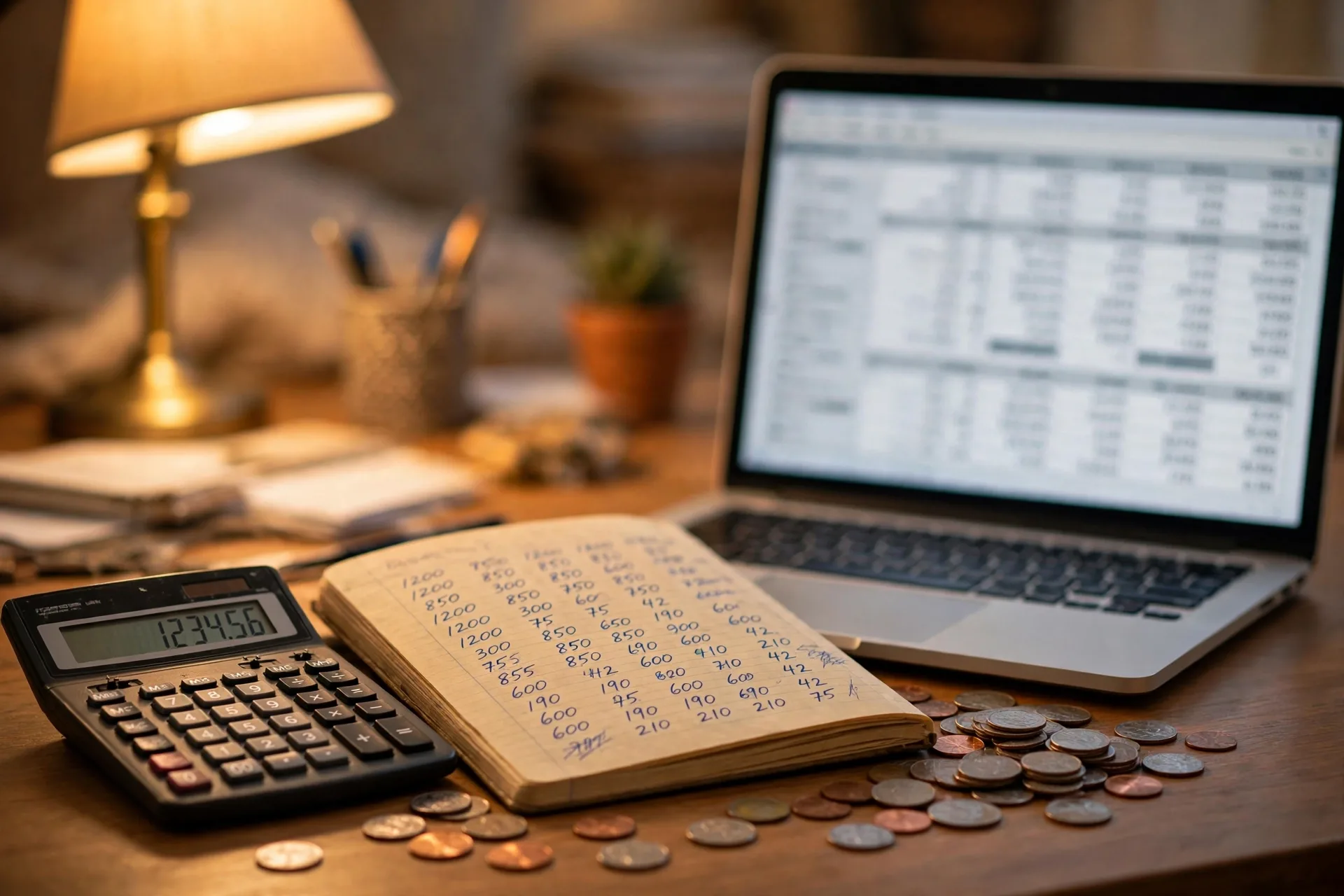
Proofreaders make $15 to $25 per hour as beginners, $25 to $45 per hour at intermediate level, and $45 to $80 per hour as specialists, with a 2026 average of $31.25 per hour for freelance remote proofreading (Source: ZipRecruiter (2026)). The Editorial Freelancers Association (EFA) reports a 2026 median of $25 to $50 per hour for freelance proofreaders, with per-word medians of $0.02 to $0.03 for nonfiction proofreading (Source: Editorial Freelancers Association (2026)).
| Level | Hourly rate | Per-word rate | Monthly pay at 20 hrs/week |
|---|---|---|---|
| Beginner, 0 to 1 year | $15 to $25 | $0.01 to $0.02 | $1,200 to $2,000 |
| Intermediate, 1 to 3 years | $25 to $45 | $0.02 to $0.04 | $2,000 to $3,600 |
| Experienced, 3+ years | $45 to $75 | $0.03 to $0.05 | $3,600 to $6,000 |
| Specialist, legal or academic | $50 to $80 | $0.03 to $0.08 | $4,000 to $6,400 |
Platform pay runs lower than direct-client pay because platforms take a fee and set the pace. Scribbr pays $18 to $26 per hour for academic work. ProofreadingServices.com pays $19 to $46 per hour. Scribendi pays $18 to $30 per hour (Source: RemoGrid (2026)). Upwork beginners charge $15 to $20 per hour, and established Upwork proofreaders charge $45 to $75 per hour.
Per-word pricing suits books and long documents. A 5,000-word document at $0.015 per word pays $75, and a fast proofreader finishes it in 60 to 90 minutes. An 80,000-word novel at $0.015 per word pays $1,200, and the same novel at $0.03 per word pays $2,400. Per-page pricing runs $3 to $7 per page of 250 words on platforms such as Scribendi and Reedsy. The US Bureau of Labor Statistics (BLS) lists median pay near $73,000 per year for editors, a wider group that includes proofreading work, with demand holding steady through 2032 (Source: U.S. Bureau of Labor Statistics (2026)).
What Skills Do You Need to Proofread From Home?
You need 5 core skills to proofread from home: strong grammar and punctuation, sharp attention to detail, style guide fluency, steady focus across long documents, and clear client communication, and each skill grows with practice on real documents. No degree is needed for any of the 5 skills.
Grammar and punctuation form the base skill. A proofreader knows the difference between affect and effect, its and it is, and when a comma changes the meaning of a sentence. A proofreader explains why a fix is right, because clients trust a proofreader who can name the rule behind each change.
Attention to detail decides income. Anyone can catch a typo on page 1, and the job is catching the same typo on page 40 after 2 hours of reading. A proofreader reads slowly on purpose and checks names, numbers, and dates against the rest of the document.
Style guide fluency sets a proofreader apart from a spellchecker. The Chicago Manual of Style (Chicago) governs books and publishing, the AP Stylebook (AP) governs news and marketing copy, the American Psychological Association (APA) style governs academic work, and the Modern Language Association (MLA) style governs humanities papers. A proofreader learns the 1 guide that fits the chosen niche first.
Focus across long documents is a trained habit. A proofreader works in 25-minute blocks with short breaks and reads hard passages aloud in a low voice. I timed a 1,000-word blog post proofread at 16 minutes on a second pass, and the second pass found 11 fixes that the first pass missed, which shows why 2 passes beat 1 fast read every time.
Client communication keeps work coming back. A proofreader confirms the deadline, the style guide, and the file format before starting, sends a short delivery note with each finished file, and asks for a review on the day of delivery.
What Tools and Equipment Do You Need?
You need a reliable computer, a stable internet connection, Microsoft Word or Google Docs, 1 grammar tool, and 1 style guide to proofread from home, and the total startup cost runs $0 to $200 because most beginners already own the computer and the connection. The real spend is a style guide and 1 paid tool.
| Tool | Cost | Use |
|---|---|---|
| Microsoft Word with Track Changes | $0 to $70 per year | Industry standard markup, most clients expect it |
| Google Docs Suggesting Mode | Free | Shared edits with agencies and startups |
| Grammarly Premium | $12 to $30 per month | Second-pass grammar and spelling check |
| ProWritingAid | $20 per month or $120 per year | Style, readability, and pattern reports |
| Hemingway Editor | Free or $20 one-time | Readability check for web copy |
| PerfectIt | About $99 per year | Consistency check for long documents |
| Chicago Manual of Style online | $40 per year | Style rules for books and publishing |
| AP Stylebook online | $30 per year | Style rules for news and marketing copy |
Grammar tools serve as a second pass, never as a replacement for human reading. Grammarly catches plain errors fast, and ProWritingAid reports show repeat patterns such as overused words and long sentences. PerfectIt checks consistency across a long file, such as spelling of the same term on page 2 and page 40. A laptop, Word or Google Docs, the free version of Grammarly, and the style guide for the chosen niche cover the first 5 paid jobs. Add a paid tool after the first $500 in earnings, and add PerfectIt after the first book-length job.
How to Make Money Proofreading From Home in 7 Steps

To make money proofreading from home, test your grammar, pick 1 niche, build 3 portfolio samples, set a starter rate, join 1 platform, land your first client, and raise your rate after 5 paid jobs. The full plan takes most beginners 2 to 4 weeks from first practice to first pay. The full 30-day plan at the end of this guide turns the steps into dated weekly targets.
- Test your grammar and typing speed in week 1.
- Pick 1 niche that fits your past work or study.
- Build 3 portfolio samples with tracked changes visible.
- Set a starter rate of $0.015 to $0.02 per word.
- Create a profile on 1 platform and apply to 10 jobs.
- Deliver the first job early and ask for a review.
- Raise the rate by 20 to 30 percent after 5 to 10 jobs.
Step 1 checks the base skill before any client sees your work. Take a free proofreading test on Scribendi or EditFast, and take a free grammar quiz on Purdue OWL. A score below 80 percent means 2 weeks of grammar practice first, with 30 minutes per day on the weak spots the test names.
Step 2 picks the niche before the platform, because a niche makes every later step easier. A former teacher picks academic proofreading. A former nurse picks medical proofreading. A book lover picks self-published fiction. A worker with office experience picks business reports and marketing copy. One niche beats five niches in the first 90 days, because clients hire a proofreader who knows their document type.
Step 3 builds proof without clients. Take a public domain text from Project Gutenberg, find real errors, and mark them with Track Changes to show a before-and-after sample. Proofread 1 blog post, 1 book chapter, and 1 business document in the chosen niche, and save each sample as a PDF with the fixes visible. Offer 1 free proofread to a small nonprofit in exchange for a short testimonial, and stop free work after that 1 job.
Step 4 sets the starter rate from the market, not from a guess. A beginner rate of $0.015 to $0.02 per word lands jobs without signaling low quality. A rate below $0.01 per word attracts clients who haggle on every job and never pay more later. A rate above $0.03 per word needs samples and reviews to support it, so save that rate for month 3.
Step 5 puts the profile where buyers already look. Create 1 strong profile on Upwork or Fiverr, add the 3 samples, write a headline that names the niche and the result, and apply to 10 jobs in the first week. A proposal names the client need in line 1, names 1 matching sample in line 2, and names the price and start date in line 3.
Step 6 turns the first job into the second job. Deliver 1 day early, include a short note that lists the error types fixed, and ask for a review on the day of delivery with this line: “If you are happy with the work, a short review on my profile helps me land more jobs like yours.” Most happy clients say yes when asked on delivery day.
Step 7 raises the rate on a schedule. After 5 to 10 paid jobs with good reviews, raise the rate by 20 to 30 percent and tell current clients 30 days before the rise. A rate rise of $0.02 to $0.025 per word adds $25 to a 5,000-word job, and repeat clients accept the rise when the work stays clean and on time.
Where Can You Find Proofreading Jobs From Home?

You can find proofreading jobs from home on freelance marketplaces such as Upwork and Fiverr, on proofreading platforms such as Scribendi and ProofreadingServices.com, and through direct outreach to authors, agencies, and course creators. Platforms give fast first income, and direct clients pay the highest rates.
| Platform | How it works | Pay | Best for |
|---|---|---|---|
| Upwork | Bid on posted jobs | $15 to $60 per hour | Long-term clients, most job volume |
| Fiverr | Sell fixed-price gigs | $15 to $40 per hour | Beginners, packaged services |
| Reedsy | Vetted book marketplace | $30 to $75 per hour | Book proofreading, higher rates |
| Scribendi | Apply, pass a test, get assignments | $18 to $30 per hour | Steady academic and business work |
| ProofreadingServices.com | 20-minute screening test | $19 to $46 per hour | Beginners, general documents |
| Scribbr | Academic test, steady volume | $18 to $26 per hour | Dissertations and student papers |
| Kibin | On-demand academic papers | Per-paper pay | Short tasks, flexible hours |
| EditFast | Profile plus skills test | Project pay, 60 percent to editor | Varied documents, translated text |
| Proofreading.com | Court transcript focus | $15 to $25 per hour | Transcript specialists |
Upwork suits beginners who can write clear proposals. A new Upwork profile needs 2 samples and 10 proposals per week to land the first job in 2 to 4 weeks, and rates rise after 5 to 10 positive reviews. Fiverr suits packaged gigs such as “I will proofread your 5,000-word blog post in 48 hours,” and new sellers start at $5 to $15 per gig to build reviews, then charge $30 to $75 per gig.
Reedsy pays the most of the platforms because it vets proofreaders and serves self-published authors who pay for quality. Scribendi and ProofreadingServices.com hire proofreaders as contractors and send steady work without bidding. Scribbr needs a pass on a strict academic test, and then sends steady dissertation work in term season.
Direct outreach pays more than any platform because no fee comes off the top. Email self-published authors, course creators, content agencies, and local businesses with a short message that names 1 visible error risk in their content and offers a free 500-word sample proofread. Post proofreading tips on LinkedIn twice per week, because business owners hire proofreaders they see often. Proofreading pairs with transcription work, so read how to make money transcribing audio from home next for a second skill that uses the same desk.
Which Proofreading Niche Pays the Most?
Court transcript proofreading and legal proofreading pay the most at $25 to $75 per hour, followed by medical and academic proofreading at $30 to $80 per hour, while general blog and web proofreading pays the least at $15 to $30 per hour. The pay gap comes from risk and training, not from typing speed, because an error in a legal filing or a drug name costs far more than an error in a blog post.
| Niche | Hourly rate | Training needed | Entry route |
|---|---|---|---|
| Court transcripts | $25 to $75 | Legal formatting, 1 short course | Proofreading.com, court agencies |
| Legal documents | $35 to $65 | Legal terms, Bluebook rules | Law firms, legal publishers |
| Medical and scientific | $45 to $80 | Science terms, AMA style | Journals, medical writers |
| Academic papers | $28 to $45 | APA or Chicago style | Scribbr, Wordvice, AJE |
| Books and manuscripts | $20 to $50 | Chicago style, fiction rules | Reedsy, self-published authors |
| Business and marketing | $20 to $45 | AP style, brand voice | Upwork, agencies, LinkedIn |
| General blog and web | $15 to $30 | Basic grammar | Fiverr, Upwork, content sites |
Court transcript proofreading pays well because accuracy is legally binding, and a proofreader checks every word against the court reporter record before filing. Legal proofreading needs care with terms such as whereas and hereinafter, and clients pay $35 to $65 per hour for proofreaders who know legal formatting. Medical proofreading pays $45 to $80 per hour, and it needs a science background or deep study of the AMA Manual of Style.
Academic proofreading serves graduate students and researchers who submit papers to journals, and these clients pay $28 to $45 per hour because a rejected paper costs months of work. Book proofreading serves self-published authors, and a proofreader who knows fiction rules, such as when a broken grammar rule serves the story, earns more than a proofreader who fixes every sentence to textbook form.
Pick the niche that matches your past life. A nurse moves into medical proofreading in weeks, while a general proofreader needs months of study to reach the same rate. A teacher moves into academic proofreading with APA style already in hand. Your past job is the fastest route to the top rate band.
How Do You Price Proofreading Work?
You price proofreading work by the word for books and long documents, by the hour for business work, and by the project for fixed packages, and the beginner baseline is $0.015 to $0.02 per word or $15 to $25 per hour. Each pricing model fits a different job type, and the model you pick changes what a job pays for the same hours.
Per-word pricing suits books, manuscripts, and academic papers because the client knows the cost before work starts. A 5,000-word blog post at $0.02 per word pays $100, and a proofreader who finishes it in 2 hours earns $50 per hour on that job. An 80,000-word novel at $0.02 per word pays $1,600. Rush work adds 25 to 50 percent to the base fee, so a 48-hour turnaround on a 5,000-word file at $0.02 per word pays $125 to $150.
Per-hour pricing suits business reports, marketing copy, and jobs with unknown length, because the proofreader bills for the time the work takes. An hourly rate of $25 with 20 billable hours per week pays $2,000 per month, and the same hours at $40 per hour pay $3,200 per month. Track real hours for 2 weeks before quoting an hourly rate, because a slow proofreader on hourly pay earns less per job than a fast proofreader on per-word pay.
Per-project pricing suits fixed packages on Fiverr and direct clients. A package of “proofread up to 2,000 words in 48 hours for $40” gives the buyer a clear price and gives the proofreader a clear scope. A project price must cover work time, platform fees, and tax set-aside, or the job loses money on every order.
Platform fees cut net pay, so price with the fee in the math. Upwork takes 10 percent of each contract, so $1,000 of Upwork work pays $900 after the fee. Fiverr takes 20 percent of every order, so $1,000 of Fiverr work pays $800. Reedsy takes 10 percent of each project. Direct clients pay the full rate with no fee, which is why 1 direct client at $25 per hour beats 1 platform client at the same rate. Learn how to start a freelancing business from zero to build the client base that makes direct work your main income.
What Are the Tax Rules for Proofreading Income?

Proofreading income is taxable, and you must report all proofreading income on a tax return even when no 1099 form arrives, with self-employment tax of 15.3 percent on net earnings of $400 or more (Source: IRS (2026)). Set aside 25 to 30 percent of each payment for taxes. The IRS gig economy tax center states that gig income is taxable even when the work is part-time, temporary, or paid in cash, property, goods, or virtual currency.
Move the tax share on the day the payment arrives. Open a separate savings pocket for tax money, and move the share there before spending anything. Pay estimated tax each quarter to avoid a penalty at year end, and track every payment in a sheet with 5 columns: date, client, job, amount paid, and tax set aside.
Keep records for each tax year in one place. Save invoices, platform payout statements, and receipts for the laptop share, internet share, software, and style guides. A proofreader who earns $400 or more in net self-employment income in a year must file a tax return, and the $400 rule applies to the total across all clients, not to each client alone (Source: IRS (2026)).
A 1099-NEC form arrives from a client who paid $600 or more in a year. No form means no free pass: the income stays taxable with or without a form. This article gives general information only, not tax advice for a specific person, and a tax pro can confirm the rules for your own country or state.
Proofreading Scams to Avoid
Proofreading scams ask for money upfront, offer a check to cash, promise high pay for vague work, or ask for bank logins, and a real client never asks for any of these 4 things. Legit platforms never charge a worker to access jobs. Any listing that asks for a fee to start is a scam.
- Pay to get hired: a fee for training, a starter kit, or a job list.
- Check cashing: a check arrives with a request to buy gift cards or send money back.
- Vague job, high pay: $50 per hour to copy links or retype files.
- Free trial over 1 hour: a “test” that asks for a full day of unpaid work.
- Bank login request: a client asks for bank or email passwords.
- Crypto payment only: pay in crypto, no contract, no invoice.
- Upfront software buy: a client demands a paid tool before the first job.
A real client uses a contract, pays through a platform or an invoice, and gives a clear task list with a deadline. A test edit stays under 500 words and takes under 30 minutes. Report a scam job where it appeared, then block the sender, and never send a photo of an ID or a bank card to a new client.
How Do You Grow Proofreading Into Full-Time Income?
You grow proofreading into full-time income by moving clients to monthly retainers, raising rates every 3 to 6 months, picking 1 niche, and asking each happy client for 1 referral. The first client proves the model, and the next 3 clients build the income. Retainers turn hourly work into steady pay.
Retainers give predictable income. Offer a package of 10,000 words per month for $400 to a content-heavy business, and 3 retainers of $800 per month pay $2,400 per month. Offer the retainer after 2 good weeks with a client, because a happy client says yes faster than a new lead.
Raise the rate on a schedule. Add $3 to $5 per hour after each 3 months of steady work, and tell current clients 30 days before a rise. Pick 1 niche after the first 2 clients: a proofreader who serves only self-published authors or only academic clients can charge $30 to $60 per hour, while a general proofreader stays near $20 per hour.
Ask for a referral after each good month with this line: “I have room for 1 more client this month. Do you know an owner who needs proofreading help?” One referral per client per quarter builds a full book in 12 months without paid ads. Virtual assistant work uses the same home office setup, so learn how to become a virtual assistant with no experience to add a second service for the same clients. Add a second service after 6 months, such as AI draft cleanup or light copyediting, and charge the higher rate for the new service from day 1.
A 30-day launch plan turns this guide into dated action. Week 1: test grammar, pick 1 niche, study its style guide. Week 2: build 3 samples and create 1 platform profile. Week 3: send 10 proposals, apply to 2 proofreading platforms, and complete 1 test edit. Week 4: deliver the first paid job, ask for a review, and book the next 2 jobs. More guides like this one live on Savvy Cash Flow, and the Make Money Online guides cover side hustles that pair with proofreading once your home office is set up.
Frequently Asked Questions
Do I need a degree to make money proofreading from home?
No, you do not need a degree to make money proofreading from home. Clients hire for accuracy, samples, and reviews, not for a diploma. A strong portfolio with 3 before-and-after samples and 5 good reviews wins more jobs than a degree with no samples.
How much can a beginner proofreader earn per hour?
Beginner proofreaders earn $15 to $25 per hour on freelance platforms in 2026, or $0.01 to $0.02 per word. At 10 hours per week and $20 per hour, pay is $800 per month before fees and taxes. Rates rise to $25 to $45 per hour at intermediate level with a niche.
How long does it take to get your first proofreading client?
Most beginners land the first paying client in 7 to 30 days with 3 samples, 1 platform profile, and 10 proposals per week. Platform hiring tests take 1 to 3 weeks to clear. Direct outreach takes 3 to 6 weeks, and steady income takes 3 to 6 months.
What is the difference between proofreading and editing?
Proofreading is the final check for spelling, grammar, punctuation, and formatting errors before publication. Editing rewrites sentences, improves flow, and reshapes ideas. Proofreading costs less than editing, runs faster, and needs no rewriting, while editing changes the text itself on the page.
Where can I find legit proofreading jobs from home with no experience?
Legit proofreading jobs online for beginners live on Upwork, Fiverr, ProofreadingServices.com, Scribendi, Kibin, and EditFast. Upwork and Fiverr need no test to join. ProofreadingServices.com uses a 20-minute screening test. Never pay a fee to access legit jobs on any platform.
Do proofreaders pay taxes on freelance income?
Yes, proofreaders pay taxes on freelance income, and all proofreading income is taxable even without a 1099 form (Source: IRS (2026)). Net earnings of $400 or more trigger self-employment tax of 15.3 percent plus income tax. Set aside 25 to 30 percent of each payment.
Conclusion
You can make money proofreading from home with no degree, startup costs of $0 to $200, and a laptop you already own. Beginners earn $15 to $25 per hour, intermediates earn $25 to $45 per hour, and specialists in legal, medical, and academic work earn $50 to $80 per hour. The 7 steps work in order: test your grammar, pick 1 niche, build 3 samples, set a starter rate of $0.015 to $0.02 per word, join 1 platform, deliver the first job early, and raise the rate after 5 to 10 paid jobs. Pick the niche that matches your past work, because past work is the fastest route to the top rate band. Use a contract, set aside 25 to 30 percent for taxes, and never pay to access jobs. Start this week with step 1, and the first paying client can arrive within 30 days. Savvy Cash Flow covers more home income guides in the Make Money Online section for readers who want a second skill beside proofreading.