
Introduction
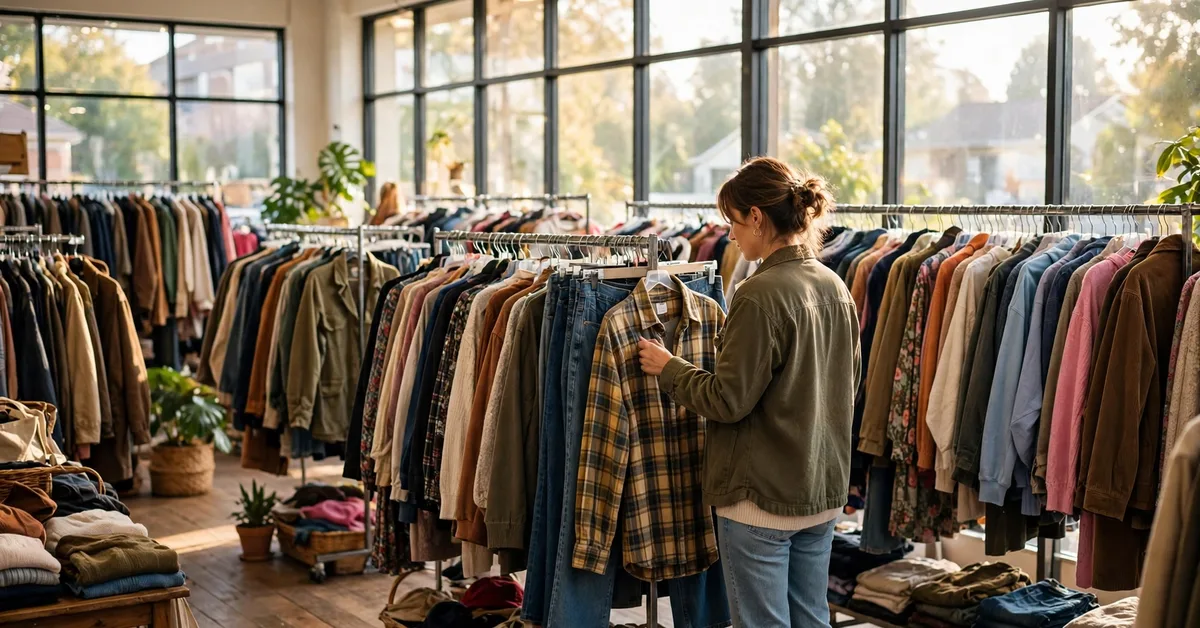
Secondhand shopping tips for beginners come down to one clear plan: set a list and a budget before you go, inspect every item before you pay, and compare the secondhand price with the new price before you decide. Secondhand shopping is the practice of buying used clothes, furniture, electronics, and household goods from thrift stores, consignment shops, and online resale platforms instead of buying them new. This guide gives you a 7-day starter plan, a full inspection checklist, a list of items to skip, and safe online buying rules so your first trips save real money.
A beginner can save more than $1,700 a year by buying secondhand instead of new, according to a CouponFollow survey cited by Kiplinger in 2025. Nearly 60 percent of all consumers shopped for secondhand clothing in 2024, according to the ThredUp 2025 Resale Report. Secondhand shopping works for clothes, furniture, books, toys, and electronics, and it works best when you shop with a list, a budget, and a clear idea of what each item should cost.
Key Takeaways
- Secondhand shopping means buying used goods from thrift stores, consignment shops, and resale platforms, and it can save a household more than $1,700 a year.
- Set a list and a cash budget before every trip, and walk away from any item that is not on the list.
- Check seams, zippers, buttons, stains, and smells on clothes, and test every electronic item before you pay.
- Never buy used car seats, crib mattresses, or bike helmets, because hidden damage can make them unsafe.
- Compare every price with the new price and with sold listings online, and pay with a credit card when you buy from a stranger online.
What Is Secondhand Shopping?
Secondhand shopping is the practice of buying used goods that still have years of use left, from thrift stores, charity shops, consignment shops, garage sales, and online resale platforms, instead of buying the same goods new. A thrift store sells donated goods to raise money for a charity, while a consignment shop sells goods on behalf of owners and splits the sale price with them. Online resale platforms such as eBay, Poshmark, ThredUp, and Facebook Marketplace connect buyers with sellers across the country.
Secondhand shopping covers more than clothes. Beginners find the best value in 4 groups: clothing and shoes, furniture and home goods, books and media, and electronics. The habit works because most used goods sell for 50 to 90 percent less than the new price, and many items are barely worn. A coat worn 3 times and a bookshelf used for 2 years both work the same as new ones, and both cost a fraction of the retail price.
The idea has grown fast. Online second-hand shopping rose 23 percent from 2023 to 2024, with a projected $367 billion global market value in 2029 (Source: Wikipedia, 2026). Goodwill recovered more than 4.3 billion pounds of used goods in 2024 (Source: Goodwill Industries International, 2025). The growth means more choice for beginners, and it also means more sellers to check before you pay.
How Much Money Can Secondhand Shopping Save You?
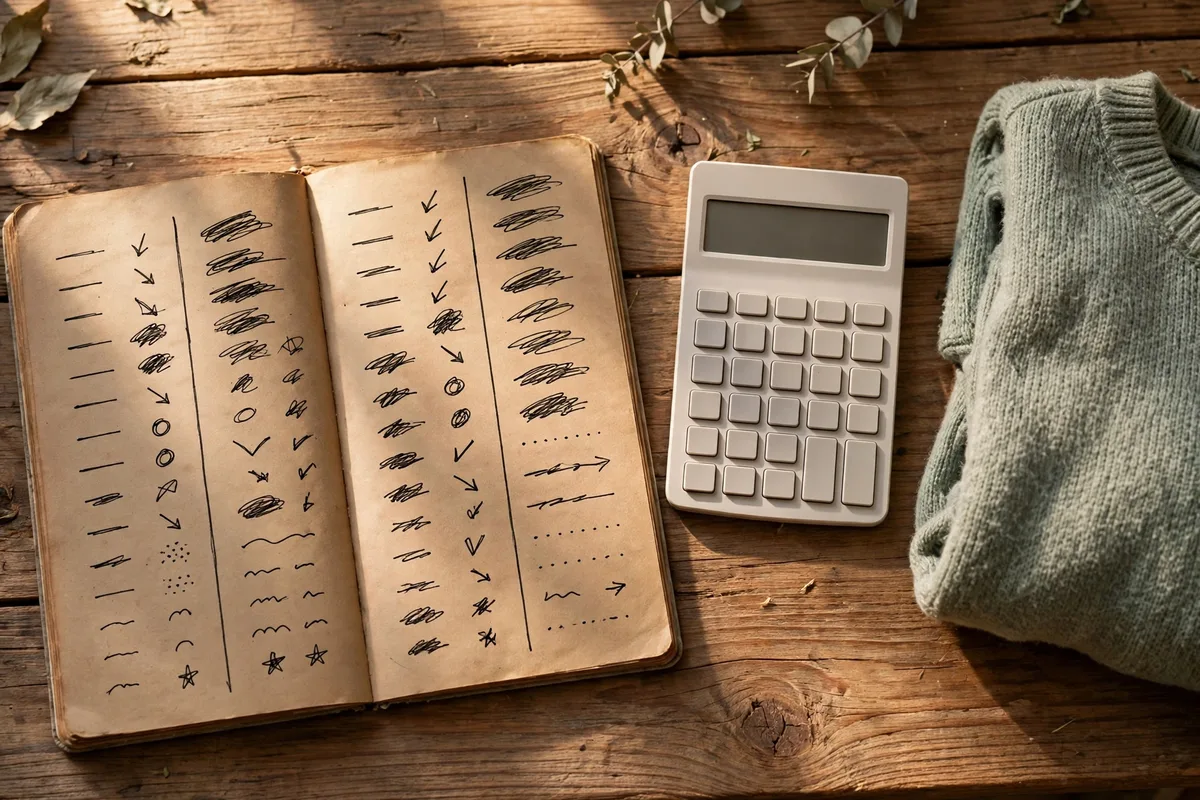
Secondhand shopping can save a beginner $1,700 or more in a year, which works out to about $150 a month, when secondhand buying replaces new buying for clothes, furniture, and household goods. The CouponFollow survey cited by Kiplinger in 2025 puts the average yearly saving above $1,700. The saving comes from the price gap between new and used, and the gap is wide in every category.
| Item | Typical new price | Typical secondhand price | You save |
|---|---|---|---|
| Winter coat | $120 | $25 | $95 |
| Pair of jeans | $60 | $12 | $48 |
| Solid wood dining table | $600 | $150 | $450 |
| Bookshelf | $120 | $25 | $95 |
| Kids winter boots | $50 | $10 | $40 |
| Coffee maker | $80 | $20 | $60 |
| Hardcover book | $28 | $4 | $24 |
| Baby stroller | $250 | $90 | $160 |
The table shows a simple rule: secondhand prices run at 20 to 50 percent of the new price for most goods. Kiplinger reports that gently used furniture holds 20 to 50 percent of its original value, and that refurbished laptops run 20 to 50 percent less than new models (Source: Kiplinger, 2025). Kids clothing can sell for as little as 10 percent of the original price, because children outgrow clothes before they wear them out.
A beginner household can plan the saving in 3 steps. First, list the 10 items you plan to buy in the next 3 months. Second, write the new price next to each item. Third, write the secondhand price you expect to pay, and add up the gap. A family that buys 2 coats, 4 pairs of jeans, 1 table, and 1 stroller secondhand saves about $950 on those 8 items alone. The Frugal Living guides on Savvy Cash Flow show the same habit applied to food, gifts, and bills, so secondhand shopping fits a full frugal plan.
Where Should Beginners Shop Secondhand?
Beginners should start with a local thrift store for clothes and home goods, a consignment shop for higher quality clothes, and Facebook Marketplace for furniture, because each place fits a different kind of buy. Local thrift stores such as Goodwill and Salvation Army price most clothes between $1 and $10, and they restock often. Consignment shops cost more, and the clothes are checked and sorted first. Facebook Marketplace lists furniture from people near you, and you can see the item before you pay.
| Place | Best for | Price level | Watch out for |
|---|---|---|---|
| Goodwill and Salvation Army | Everyday clothes, books, dishes | $1 to $10 per item | No returns, so inspect first |
| Local charity thrift shop | Furniture, home goods, low prices | Lowest prices | Limited hours, small stock |
| Consignment shop | Quality clothes, brands, shoes | Mid prices | Higher markup than thrift stores |
| Facebook Marketplace | Furniture, appliances, baby gear | Low to mid prices | No buyer protection on cash deals |
| eBay | Electronics, collectibles, exact models | Varies | Check seller ratings first |
| Poshmark and Depop | Brand clothes, vintage finds | Mid prices | Shipping adds $5 to $8 |
| ThredUp | Womens and kids clothes, graded quality | Mid prices | You cannot inspect before it ships |
| Garage and estate sales | Furniture, tools, full sets | Lowest prices | Cash only, first come first served |
| Buy Nothing groups | Free household goods and clothes | Free | Pickup times vary |
Start with one store near your home and visit it twice before you try a second place. Staff can tell you when new goods reach the floor, and regular visits teach you the price range fast. On my last thrift run, I found a solid wood bookshelf for $25 at a church rummage sale, the same size bookshelf sold new for $120, and the only flaw was a scuff on one side that faced the wall.
Secondhand Shopping Tips for Beginners: Your 7-Day Start Plan
You start secondhand shopping in 7 days by making a list on day 1, learning prices on day 2, visiting one store on day 3, and buying your first 3 items by day 7. The plan below keeps each step small, so a beginner never has to learn everything at once.
- Day 1: Write your list. List 5 items you need in the next month, with the new price of each one. Put the list on your phone.
- Day 2: Learn the prices. Search each item on eBay and filter for sold listings, then write the average sold price next to the new price.
- Day 3: Visit one thrift store. Walk the store for 30 minutes, check prices, and buy nothing. Note which sections hold your list items.
- Day 4: Measure your clothes. Write down your chest, waist, hips, and inseam measurements, and measure 3 items from your closet that fit well.
- Day 5: Set your budget. Put $40 in cash in an envelope for your first trip, and leave your cards at home so the cash sets the limit.
- Day 6: Buy your first 3 items. Buy only items on your list, inspect each one with the checklist in the next section, and try on clothes over a fitted top.
- Day 7: Clean and review. Wash clothes in hot water, wipe furniture, test electronics, and write down what you paid versus the new price.
The 7-day plan works because it separates learning from buying. Most beginners who skip the plan buy 5 things they never wear, and the cash budget stops that trap. If you want a clothes-only version of the same method, read our guide on how to buy clothes frugally and still look good.
What Should You Check Before You Buy Secondhand?
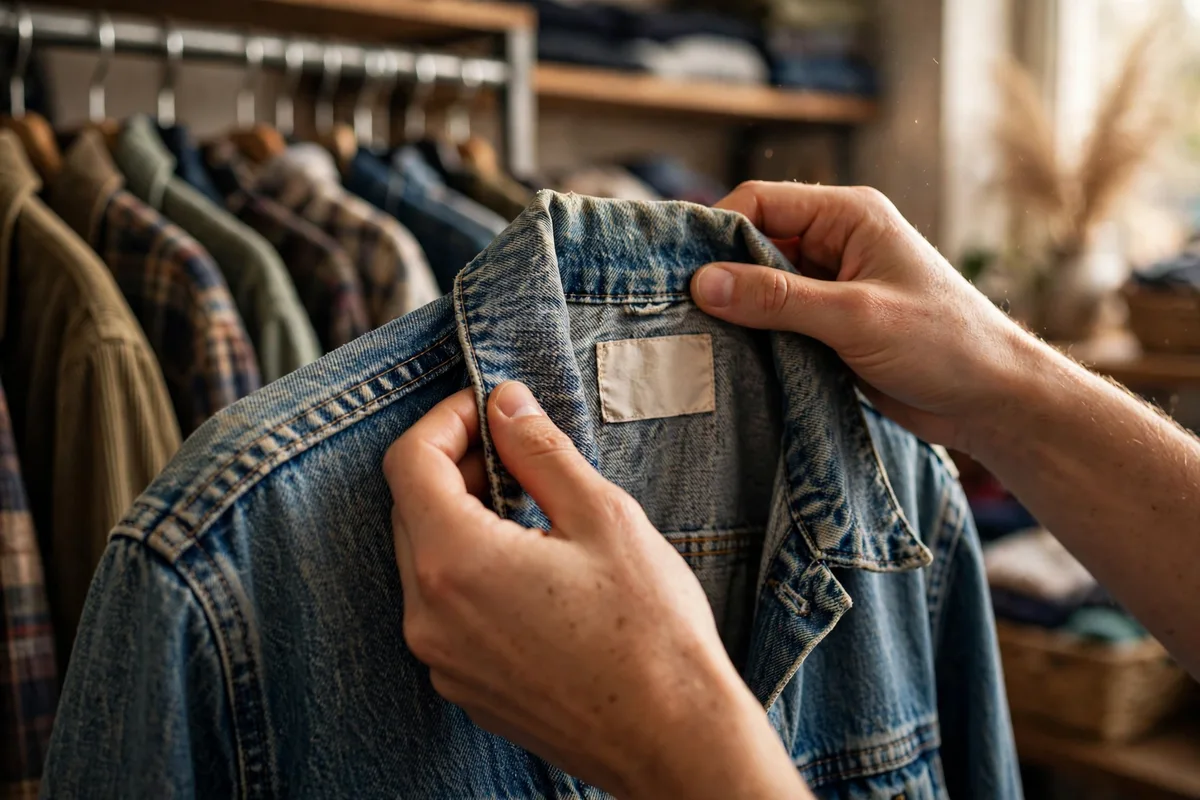
You check a secondhand item in 5 places before you buy it: seams and fabric, zippers and buttons, stains and smells, moving parts, and the price against the new price. Most thrift stores sell items as final sale, so the check at the rack is your only return policy. A 2-minute check saves the cost of a useless buy.
Use this checklist for clothes:
- Hold the item up to bright light and look for holes, stains, and faded patches, with extra care at the underarms, collar, cuffs, and hems.
- Run your fingers along every seam, and skip the item if threads are loose or the seam pulls apart.
- Open and close every zipper slowly, and press every button, because a broken zipper costs more to fix than the item is worth.
- Flip the item inside out to catch hidden rips, snags, and lining damage.
- Smell the item, and skip anything with smoke, mildew, or pet odors that washing may not remove.
- Check the fabric label, and favor cotton, linen, wool, and silk for clothes you wear often.
- Measure the item flat, armpit to armpit, and compare it with a shirt that fits you, because vintage sizes run smaller than modern sizes.
Use this checklist for furniture and home goods:
- Push, pull, and rock the piece to test joints, and skip anything that wobbles or creaks.
- Look for solid wood instead of particle board, because solid wood lasts longer and survives a move.
- Open every drawer and door, and check that hinges, handles, and runners work.
- Check fabric chairs and sofas for stains, smells, and signs of pests, and ask if the home was smoke-free and pet-free.
- Measure the piece with a tape and check that it fits your room and your car before you pay.
- Plug in every electronic item and test all buttons, ports, and screens in the store.
What Should You Never Buy Secondhand?
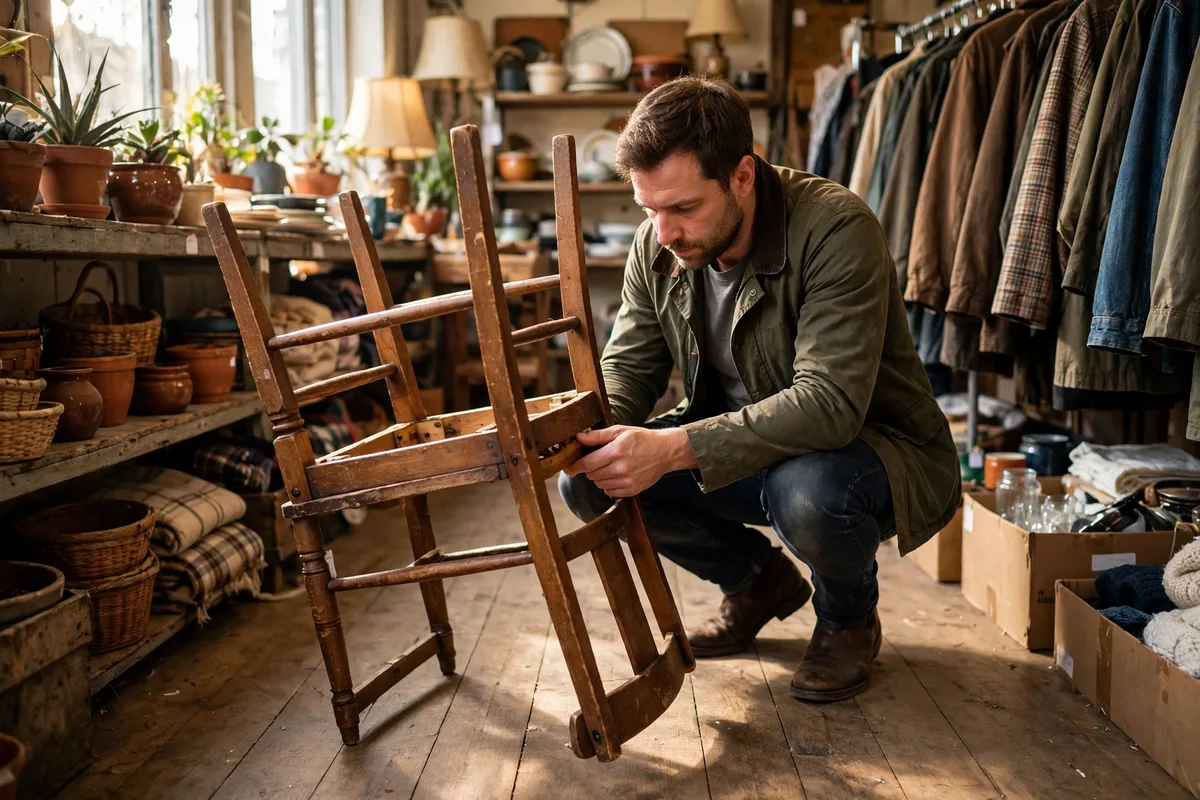
You should never buy used car seats, crib mattresses, bike helmets, or drop-side cribs, because hidden damage or missing parts can make them unsafe, and you cannot check that damage by looking. Safety gear fails in ways you cannot see, so the saving is never worth the risk.
| Item | Why to skip it | Safe choice instead |
|---|---|---|
| Car seat | Crash damage hides inside, and recalls apply only to the first owner | Buy new, or accept one only from a trusted family member with full history |
| Crib mattress | Loses firmness and can hold mold or germs | Buy a new mattress, even if the crib is secondhand |
| Bike helmet | One drop can crack the foam inside without a visible mark | Buy a new helmet in your size |
| Drop-side crib | Banned since 2011 for safety failures | Buy a fixed-side crib that meets current standards |
| Used mattress | Bed bugs, stains, and lost support hide inside | Buy new, or buy a new mattress topper for a firm used frame |
| Makeup and skin care | Open products can carry germs, and expiry dates are hard to check | Buy new, or buy sealed items only |
| Nonstick pans with scratches | Scratched coating can flake into food | Buy cast iron or stainless steel secondhand instead |
| Old electrical items with frayed cords | Frayed cords are a fire risk | Buy only items with clean cords and plugs |
Most other goods are safe secondhand when you inspect them. Clothes, solid wood furniture, books, dishes, tools, and toys all work well used, and each one passes a simple visual check. When you are unsure about a safety item, buy it new and save money on the safe items around it.
How Do You Shop Secondhand Online Safely?
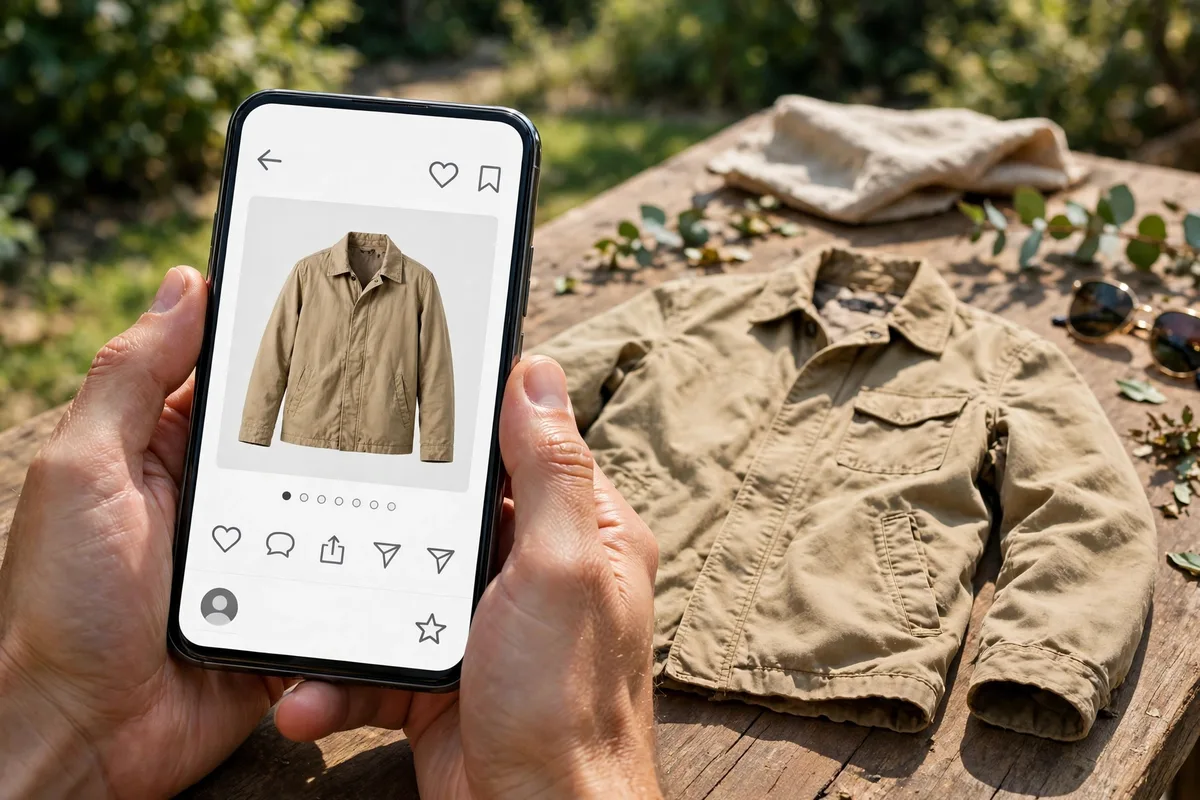
You shop secondhand online safely by buying from sellers with ratings and reviews, paying through the platform with a credit card, and never paying with cash apps or gift cards. The platform holds the payment until the item arrives, and a credit card lets you dispute a charge if the item never comes or does not match the listing.
Follow 6 rules for online secondhand buying:
- Read the seller rating and at least 5 recent reviews before you bid or buy.
- Ask for extra photos of flaws, tags, and serial numbers, and walk away if the seller refuses.
- Compare the price with sold listings for the same item, not with the asking prices on live listings.
- Use the platform checkout, and never move the deal to a cash app, wire transfer, or gift card.
- Meet local sellers in a public place in daylight, bring a friend, and inspect the item before you pay.
- Take photos of the item the moment it arrives, and report damage to the platform the same day.
Watch for 5 red flags that mark a scam: a price far below every other listing, pressure to pay fast, a seller with no sales history, a vague listing with stock photos only, and a request for payment outside the platform. A real seller answers questions, sends real photos, and accepts the platform payment method. If a deal shows 2 red flags, skip it and buy the same item from a rated seller.
How Do You Negotiate Secondhand Prices?

You negotiate a secondhand price by naming a fair number based on sold listings, pointing to a real flaw, and being ready to walk away if the seller says no. Sellers at garage sales, flea markets, and Facebook Marketplace expect a lower offer, and most thrift stores do not negotiate, so ask where the price is set before you start.
Use these 4 scripts, word for word, and adjust only the numbers:
- “I see this listed for $40, and the same model sold for $25 online last week. Would you take $25?”
- “This chair has a loose leg and a stain on the seat. Would $60 work instead of $80?”
- “I can pay $30 in cash right now and pick it up today. Does that work for you?”
- “I am buying 3 items today. Would you take $50 for all 3 instead of $65?”
Follow 3 rules when you negotiate. First, offer 15 to 25 percent below the asking price, never half, because a low offer ends the talk. Second, name one real reason for the lower price, such as a flaw, a missing part, or the sold-listing price. Third, accept the answer with grace, and leave your phone number if the seller wants to think about it. A seller who says no today may call you tomorrow.
Secondhand Shopping vs Buying New: When to Use Which
Secondhand shopping beats buying new for clothes, furniture, books, and toys, while buying new wins for safety gear, underwear, and items with a warranty you need. The table below gives a fast decision for each group, so you never have to guess.
| Item group | Buy secondhand | Buy new | Why |
|---|---|---|---|
| Everyday clothes | Yes | No | Same wear, 50 to 90 percent less |
| Winter coats and boots | Yes | No | Built to last, easy to inspect |
| Solid wood furniture | Yes | No | Holds value, lasts for years |
| Books and media | Yes | No | Content is the same, price is lower |
| Kids clothes and toys | Yes | No | Outgrown fast, sold at 10 percent of new price |
| Kitchen tools and dishes | Yes | No | Easy to clean and test |
| Refurbished electronics | Yes, from a verified seller | No | 20 to 50 percent less with a warranty |
| Car seats and helmets | No | Yes | Hidden damage is a safety risk |
| Mattresses | No | Yes | Hygiene and support cannot be checked |
| Underwear and socks | No | Yes | Hygiene, and new prices are low |
| Items with a needed warranty | No | Yes | A used item has no warranty |
The rule is simple: buy secondhand when you can inspect the item and the saving is large, and buy new when safety, hygiene, or a warranty matters more than the price. A mixed plan saves the most money, because you spend new prices only where new prices buy real safety.
How Do You Clean and Care for Secondhand Finds?
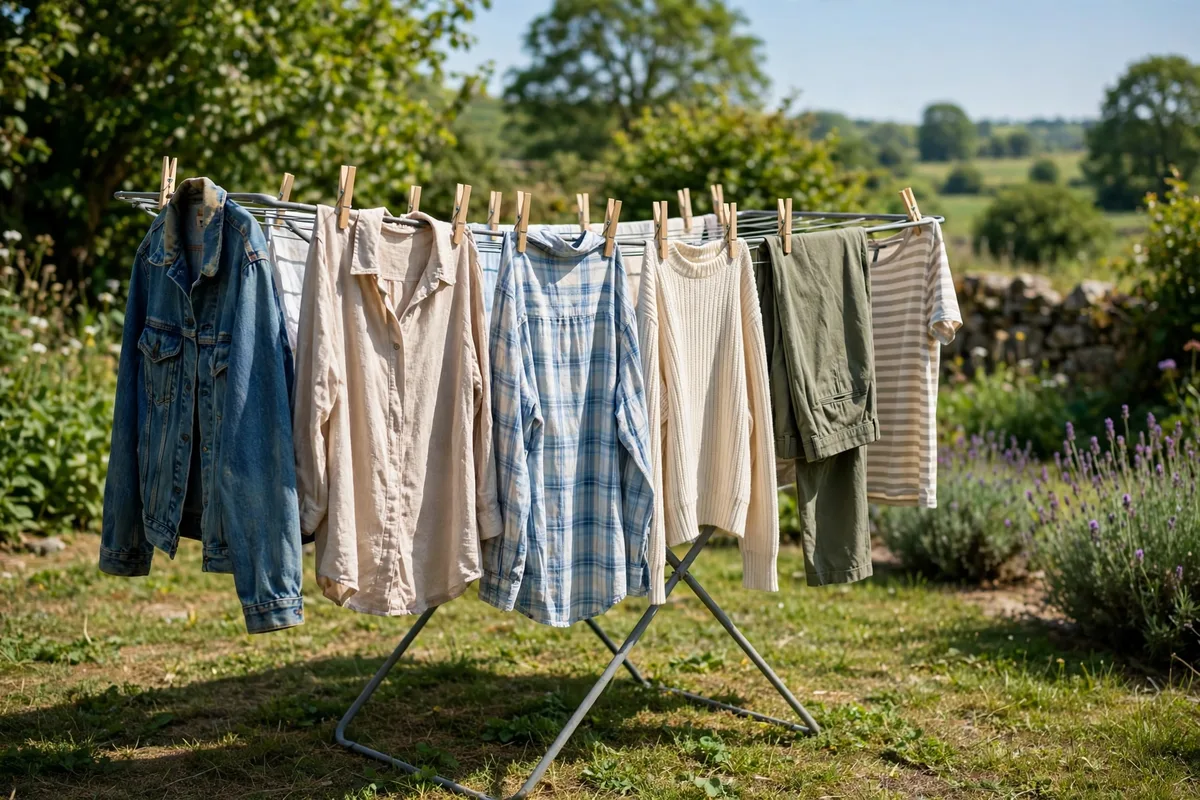
You clean secondhand clothes by washing them in hot water with detergent before you wear them, and you clean furniture by wiping it with soap and water and letting it dry in fresh air. Cleaning takes 20 minutes, and it removes dust, smells, and germs from every item you bring home.
Follow this routine for each group:
- Clothes: wash in the hottest water the label allows, add a cup of white vinegar to the rinse for smells, and dry in sunlight when you can.
- Shoes: remove the insoles, wipe the inside with a damp cloth, sprinkle baking soda inside overnight, and shake it out before you wear them.
- Wood furniture: wipe with a damp cloth and mild soap, dry it at once, and rub a small amount of wood oil into dry spots.
- Dishes and glassware: wash in hot soapy water, and run them through the dishwasher on a hot cycle when they are dishwasher safe.
- Books: wipe covers with a dry cloth, air them outside for an hour, and store them upright with space between them.
- Electronics: wipe with a dry microfiber cloth, clean vents with compressed air, and update the software before you use the device.
After cleaning, store secondhand clothes with your other clothes and wear them the same week. A thrifted item that sits in a bag for 3 months is a wasted buy, so put each find to work fast. If an item still smells after 2 washes, donate it back and treat the small loss as a lesson, not a failure. For more low-cost home ideas, see our 21 frugal gift ideas that don’t look cheap and our pantry challenge guide.
Frequently Asked Questions
Is secondhand shopping really cheaper than buying new?
Yes, secondhand shopping is cheaper than buying new in almost every category. Thrifted clothes sell for 50 to 90 percent less than retail, furniture holds only 20 to 50 percent of its original value, and the average thrift shopper saves more than $1,700 a year (Source: CouponFollow survey, 2025). The saving holds only when you buy items on your list and skip impulse buys.
How do I start thrift shopping as a complete beginner?
Start thrift shopping by writing a list of 5 items you need, learning the new and sold prices for each one, and visiting one thrift store with $40 in cash. Measure your clothes first, check every item with the inspection list in this guide, and buy only 3 items on your first trip. The 7-day plan above walks you through each step in order.
What is the best secondhand store for beginners?
The best secondhand store for a beginner is a Goodwill or Salvation Army store near home, because prices are low, stock changes often, and you can inspect every item. Add a local consignment shop when you want higher quality clothes, and use Facebook Marketplace for furniture. Try one store twice before you add a second place to your routine.
Is it safe to buy secondhand clothes?
Yes, secondhand clothes are safe when you inspect and wash them before you wear them. Check for stains, holes, and smells, skip items with smoke or mildew odors, and wash each piece in hot water with detergent. The South Australian Public Health Directorate notes that the health risk of buying used clothing is low when clothes are washed in hot water (Source: Wikipedia, 2026).
How can I tell if a secondhand item is good quality?
You tell a secondhand item is good quality by checking the fabric, the seams, and the brand label. Favor natural fabrics such as cotton, linen, wool, and silk, look for tight even stitching and lined seams, and check that zippers, buttons, and moving parts work. Solid wood, real leather, and metal parts last longer than particle board and thin plastic.
Can I return something I bought at a thrift store?
Most thrift stores sell items as final sale, so you cannot return them, and that is why the inspection check matters. Online resale platforms such as Poshmark, Depop, eBay, and ThredUp let you return an item when it does not match the listing, so take photos on arrival and report problems the same day. Always ask about the return rule before you pay.
Conclusion
Secondhand shopping tips for beginners work when you follow 5 habits: shop with a list and a cash budget, inspect every item before you pay, compare the price with the new price and sold listings, skip safety items such as car seats and helmets, and wash or clean every find before you use it. A beginner who follows those 5 habits can save more than $1,700 a year, build a wardrobe and a home at a fraction of retail cost, and keep good items in use instead of in a landfill. Start with the 7-day plan in this guide, buy your first 3 items this week, and add one new store or platform each month. Savvy Cash Flow covers frugal living, budgeting, and saving in plain steps, and secondhand shopping is one of the fastest ways to put those steps to work.