


Introduction
Celebrity side hustles and business empires are the companies famous singers, actors, and athletes own outside their main careers, and the best of them now earn more than the fame that launched them, because ownership pays from sales and from the sale of the company, not just from a fee. Rihanna built a beauty brand worth $2.8 billion, Kim Kardashian turned shapewear into a $5 billion company, and George Clooney sold a tequila brand for up to $1 billion. This guide explains what a celebrity side hustle is, lists the 7 business models stars use, ranks 10 empires by the numbers, and pulls out 7 lessons regular people can copy with a small budget. The pattern is the same in every case: a real problem, a product the star truly uses, and a team that runs the business.
Key Takeaways
- A celebrity side hustle is a business a famous person owns, not a paid endorsement, and ownership is what builds lasting wealth.
- Beauty, alcohol, fashion, media, tech investing, sports ownership, and licensing are the 7 models behind most celebrity empires.
- Rihanna owns 50% of Fenty Beauty, Kim Kardashian owns about one-third of SKIMS, and both brands are worth billions.
- The biggest exits are Beats at $3 billion, Casamigos at up to $1 billion, and Mint Mobile at up to $1.35 billion.
- The pattern that works is a real problem, a product the star truly uses, and a team that runs the business day to day.
What Is a Celebrity Side Hustle?
A celebrity side hustle is a business a famous person owns or co-owns outside the work that made them famous, and it earns money from customers, not from a studio or a record label. A side hustle becomes a business empire when it grows into a company with staff, products, and a value of its own. Rihanna is a singer, but Fenty Beauty is a cosmetics company. George Clooney is an actor, but Casamigos was a tequila company. The fame opens the door, and the product has to keep customers coming back. A paid ad deal is not a side hustle, because the star earns a fee and owns nothing. A licensing deal sits in the middle: the star rents out a name and takes a cut, but the partner runs the business. Ownership is the line that separates a side hustle from a paycheck.
Why Do Celebrities Build Business Empires?
Celebrities build business empires because fame pays well for a short time, while a company they own can pay for decades, and the math of fame changed in the last 10 years. Streaming cut the back-end money actors once earned from reruns, music streaming pays fractions of a cent per play, and an athlete’s peak earning years last only a few seasons. A brand fixes that problem: it turns attention into an asset that keeps its value after the tour ends or the show gets cancelled. The Celebrity Net Worth guides on Savvy Cash Flow track how famous stars turn that attention into lasting wealth, and the pattern in those stories is the same every time. Social media gave stars a second reason to build. A star with 30 million followers owns a free distribution channel, and selling a product they own beats selling a product for someone else. The third reason is proof: early movers such as Rihanna and Clooney showed that a side business can grow larger than the career that started it.
The 7 Business Models Behind Celebrity Empires
Celebrity empires run on 7 business models, and each one fits a different kind of fame, budget, and skill. The models below cover nearly every big celebrity business, from a $5 billion shapewear brand to a venture fund.
1. Beauty and Skincare
Beauty and skincare is the model that made the most celebrity billionaires, because makeup and skincare sell every day, repeat buyers come back every few weeks, and a founder’s face is the ad. Fenty Beauty, Rare Beauty, SKIMS-adjacent SKKN, Rhode, and Kylie Cosmetics all follow this model. The cost is high: formulas, safety tests, and retail deals take real money. The payoff is high too, because a hit product line can sell for years.
2. Alcohol and Beverages
Alcohol and beverages is the most crowded celebrity model, because a bottle carries a high margin, bars and stores do the selling, and a famous name moves the first cases. Casamigos, Aviation Gin, and Dwayne Johnson’s Teremana tequila follow this model. The risk is saturation: so many stars launched tequila that a new bottle now needs a real taste difference, not just a famous face.
3. Fashion and Apparel
Fashion and apparel is the hardest celebrity model, because clothing runs on thin margins, sizes, returns, and seasons, and most star labels fade after a few collections. SKIMS beat those odds by solving a clear problem, fit and shade range in shapewear, and Jessica Simpson’s fashion brand passed $1 billion in annual retail sales by selling affordable clothes in stores people already shop in (Source: SheLaKem, 2024).
4. Media and Production Companies
Media and production companies turn a star’s taste into a catalog that earns money every time a show streams, and the catalog itself becomes an asset worth hundreds of millions. Reese Witherspoon founded Hello Sunshine in 2016 to turn books with women at the center into television, and a majority stake sold in 2021 at a valuation of about $900 million (Source: NetWorthFacts, 2026). Tyler Perry built a studio he owns outright, which is why his wealth kept growing after his acting roles slowed down.
5. Tech Investing and Venture Capital
Tech investing and venture capital is the quiet model, because the star writes checks instead of selling products, and one early win can pay more than a whole career of salaries. Ashton Kutcher co-founded A-Grade Investments and backed Uber, Airbnb, and Spotify early (Source: SheLaKem, 2024). Serena Williams runs Serena Ventures, a fund that backs founders, and her work there is taken seriously by the investment world because she put in the time to learn the field.
6. Sports Team Ownership
Sports team ownership is the long game, because a team stake grows with the league, earns from tickets and TV deals, and rarely loses value over a decade. LeBron James became a part-owner of Liverpool FC, and the club’s value rose sharply after his investment (Source: SheLaKem, 2024). The pattern matches how athletes build wealth after retirement: playing careers end, but ownership stakes keep paying. Ryan Reynolds and Rob McElhenney bought Wrexham AFC in 2021, and the club’s rise through the leagues became a hit documentary series that raised the club’s value and profile at the same time.
7. Licensing and Endorsement Deals
Licensing and endorsement deals are the lowest-risk model, because the star rents out a name for a fee or a royalty and the partner carries the cost of making and selling the product. George Foreman earned about $138 million in 1999 for the rights to his name on a kitchen grill, after more than 100 million units sold (Source: NetWorthFacts, 2026). Licensing pays fast and needs no staff, but it caps the upside: the star never owns the company that grows.
10 Celebrity Side Hustles and Business Empires Ranked by the Numbers
The 10 biggest celebrity empires below are ranked by company value or sale price, and the table shows that beauty and alcohol produced the largest paydays. The numbers come from company announcements, Forbes, and Wikipedia, and net worth figures are Forbes 2026 estimates where noted.
| Rank | Celebrity | Brand | Company value or sale price | Founder stake |
|---|---|---|---|---|
| 1 | Kim Kardashian | SKIMS | $5 billion valuation (Nov 2025) | About one-third |
| 2 | Dr. Dre | Beats by Dre | $3 billion sale to Apple (2014) | Co-founder |
| 3 | Rihanna | Fenty Beauty | $2.8 billion value | 50% |
| 4 | Ryan Reynolds | Mint Mobile | Up to $1.35 billion sale to T-Mobile (2023) | About 25% |
| 5 | Kylie Jenner | Kylie Cosmetics | $1.2 billion implied value (2019) | 49% after Coty deal |
| 6 | George Clooney | Casamigos | Up to $1 billion sale to Diageo (2017) | One-third |
| 7 | Hailey Bieber | Rhode | Up to $1 billion sale to e.l.f. (2025) | Founder |
| 8 | Reese Witherspoon | Hello Sunshine | About $900 million valuation (2021) | Founder |
| 9 | Jay-Z | Armand de Brignac | About $630 million for a 50% stake (2021) | 50% sold to LVMH |
| 10 | Jessica Alba | The Honest Company | About $1 billion valuation (2015) | Founder |
Forbes puts Kim Kardashian at $1.9 billion and Rihanna at $1 billion on its 2026 lists, and both fortunes come mostly from the brands in this table, not from TV or music (Source: Forbes, 2026).
Rihanna and Fenty Beauty: The Blueprint That Changed Beauty
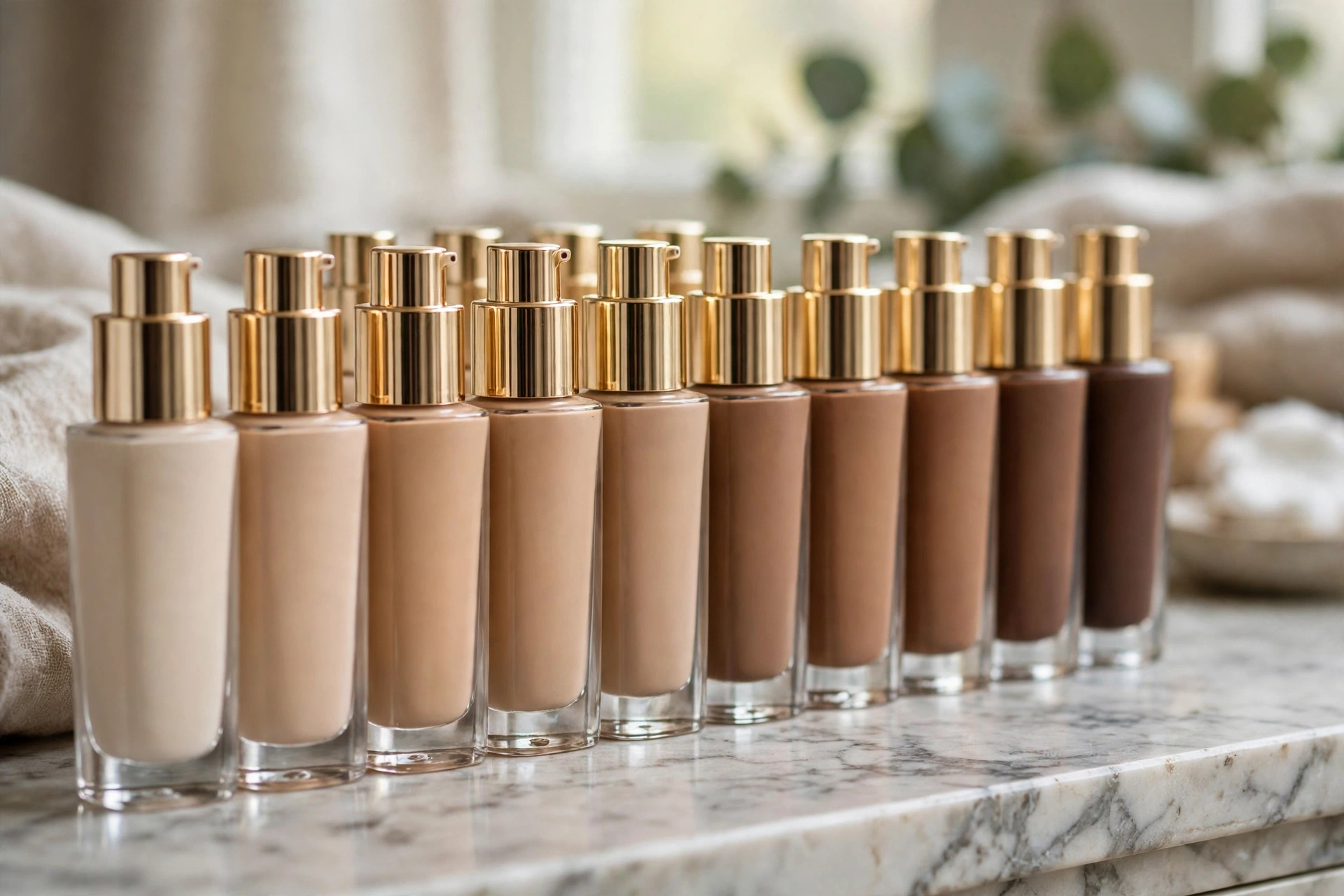
Rihanna and Fenty Beauty are the blueprint for celebrity side hustles, because the brand fixed a real gap, launched with 40 foundation shades in September 2017, and hit $100 million in sales within 40 days. Fenty Beauty is a cosmetics brand Rihanna built with LVMH, and Rihanna owns 50% of the company while LVMH owns the other 50% (Source: Wikipedia, 2026). The first month brought $72 million in sales, and Forbes reported $570 million in revenue for 2018 (Source: Wikipedia, 2026). The brand now carries a value of $2.8 billion, and half of that value belongs to Rihanna (Source: Wikipedia, 2026). The lesson is clear: Fenty Beauty won on product, not on fame. Shoppers with deeper skin tones had waited years for foundation shades that matched them, and Rihanna served them first. Rival brands copied the shade range within months, which proves the gap was real. Rihanna also owns Savage X Fenty, a lingerie brand valued at about $1 billion, so her empire has two legs, not one.
Kim Kardashian and SKIMS: How One Brand Became a $5 Billion Company
Kim Kardashian and SKIMS show how a single clear problem can grow into a $5 billion company, because SKIMS fixed fit, comfort, and shade range in shapewear, then grew into a full apparel brand. Kardashian co-founded SKIMS in 2019 with Jens Grede, and the brand now nears $1 billion in annual net sales, with 18 stores in the United States and one in Mexico City (Source: NetWorthTelevision, 2026). SKIMS reached a $5 billion valuation in November 2025, and Kardashian kept about one-third of the company, a stake worth about $1.67 billion at that valuation (Source: NetWorthTelevision, 2026). The brand grew by solving a daily annoyance: shapewear that fit badly and came in too few shades. Limited drops created urgency, but repeat buyers stayed because the products worked for daily wear, not just for special events. Retail deals and the NikeSkims collaboration of 2025 pushed SKIMS from an online brand into a mainstream apparel name. Forbes lists Kardashian at $1.9 billion in 2026, and SKIMS equity is the largest part of that fortune (Source: Forbes, 2026).
George Clooney and Casamigos: The $1 Billion Exit

George Clooney and Casamigos prove that a hobby can become a billion-dollar exit, because Clooney and two partners built a tequila they liked to drink, sold it to Diageo in 2017 for up to $1 billion, and started with only $600,000 each. Clooney founded Casamigos in 2013 with nightlife entrepreneur Rande Gerber and property developer Mike Meldman, and each partner put in $600,000 for an equal third (Source: NetWorthFacts, 2026). The tequila began as a private batch for the founders’ own circle, and friends kept asking to buy it, which is the best market test a product can get. Distribution did the rest: once Casamigos reached bars and stores across the United States, repeat buyers turned a fun project into a real spirits brand. Diageo paid up to $1 billion in 2017, and the deal changed how Hollywood thinks about side businesses. Clooney said it plainly at the time: acting used to pay his rent, and then he sold a tequila company for a billion dollars. The Casamigos template is now the most copied deal in celebrity business, which is also its warning: the tequila shelf is full of famous names now, and only the brands with a real taste difference survive.
Ryan Reynolds: The Marketing Machine Behind Aviation Gin and Mint Mobile
Ryan Reynolds built his empire on marketing skill, because he bought into Aviation Gin in 2018, made funny ads through his own company, and sold the brand to Diageo in 2020 for up to $610 million, then repeated the play with Mint Mobile. Reynolds bought a minority stake in Aviation American Gin in February 2018 and became the brand’s public face and creative marketer (Source: CelebrityNetWorth, 2026). Diageo announced the purchase in August 2020 at up to $610 million, with $335 million paid upfront and up to $275 million more tied to the brand’s results over 10 years (Source: CelebrityNetWorth, 2026). Reynolds kept an ongoing ownership interest in the brand after the sale. Mint Mobile followed the same script: Reynolds took about a 25% stake in 2019, fronted the ads himself, and T-Mobile agreed in March 2023 to buy the parent company for up to $1.35 billion, with the deal closing in May 2024 (Source: CelebrityNetWorth, 2026). Reynolds also co-owns Wrexham AFC and runs Maximum Effort, the marketing company behind the ads. His edge is not money: it is creative control. He writes and stars in the ads, so the marketing costs little and sounds like him, not like a corporate campaign. The warning sits in the same story: Diageo later wrote down the value of Aviation Gin by hundreds of millions of dollars, which shows that even a great exit can fade once the buyer owns the brand.
Endorsement vs Ownership: Which Pays More?

Ownership pays more than endorsement over time, because an endorsement pays a flat fee that ends, while ownership pays a share of every sale and a share of the sale price when the company sells. The table below compares the two paths on the factors that matter most.
| Factor | Endorsement deal | Ownership stake |
|---|---|---|
| Pay | Flat fee per campaign | Share of profits plus exit value |
| Risk | None, the brand carries the cost | Real money at stake if the brand fails |
| Control | No say in the product | Full say in product and marketing |
| Time | Weeks of work per deal | Years of work to build the brand |
| Upside | Capped at the fee | Uncapped, can reach billions |
| Best for | Quick cash with no risk | Long-term wealth building |
A star can earn $5 million from one endorsement deal and spend it in a year. A star who owns one-third of a $5 billion company holds $1.67 billion in equity, and that equity keeps growing while the star sleeps. The trade is time and risk: ownership needs years of work, a good team, and money that can be lost. Endorsement needs none of that, which is why most stars start with endorsements and move to ownership once they have cash to invest.
When Celebrity Businesses Fail: 4 Costly Flops
Celebrity businesses fail when the product is weak, the price is wrong, or the star’s name is the only selling point, and the failures below each cost millions in value or trust. The pattern repeats: a big launch, strong first sales, then buyers find the product ordinary and stop coming back. The same errors show up in our guide to 9 celebrity money mistakes that cost millions.
- Kylie Cosmetics and the Forbes cut. Coty paid $600 million for 51% of Kylie Cosmetics in 2019, which implied a value of about $1.2 billion for the whole business (Source: NetWorthFacts, 2026). In May 2020, Forbes said the revenue figures it had been given did not match the brand’s tax filings, and it cut its estimate of Jenner’s fortune to just under $900 million (Source: NetWorthFacts, 2026). The brand kept selling, but the billionaire title went away.
- KKW Beauty folds into SKKN. Kim Kardashian closed KKW Beauty and replaced it with SKKN, her skincare line, because one brand with a clear identity beat two brands that split the same buyers. The move cost the KKW name, but it saved the business from competing with itself.
- Ivy Park ends at Adidas. Beyoncé relaunched Ivy Park with Adidas, and the line earned praise for its designs, but sales fell short of targets and the partnership ended in 2023. A great design still needs the right price and the right stores, and a famous name cannot fix a weak retail plan.
- Crypto and NFT endorsements. The NFT and crypto phase of celebrity entrepreneurship peaked around 2021 and 2022, and it produced enough cautionary tales to fill a business school course, because stars promoted tokens and collections they did not understand, and buyers lost money when prices crashed (Source: MajorSite, 2026). Some endorsements drew lawsuits, and the whole category taught fans to distrust star-backed coins.
7 Lessons You Can Steal From Celebrity Entrepreneurs

The 7 lessons below work without fame, because each one is a business rule the stars followed, and a small seller can follow the same rule on a small budget. The stars had a head start on attention, but the rules are the same for any new brand.
- Solve a problem you felt yourself. Rihanna could not find foundation shades for deeper skin tones, and Kardashian could not find shapewear that fit. A problem you felt is a problem you understand.
- Start with one hero product. Kylie Cosmetics started with lip kits, and Fenty Beauty started with foundation. One great product beats 10 average ones.
- Own equity, not just a fee. A fee pays once, and equity pays for years. Take a smaller fee for a real stake when you can.
- Hire people who know the business. Every star in this guide hired operators, chemists, distillers, and marketers. Fame sells the first bottle, and experts sell the next million.
- Stay close to the product. Reynolds writes his own ads, and Rihanna tests her own shades. Buyers notice when the founder is absent.
- Use your audience, but do not abuse it. A launch post to loyal followers costs nothing and converts well. A fifth launch in one year burns trust, and trust is the asset that sells the next product.
- Plan the exit from day one. Casamigos, Beats, and Mint Mobile all sold to bigger companies. Build clean books, own your trademarks, and keep the brand easy for a buyer to value.
How to Start Your Own Small Brand: A 7-Day Plan
A 7-day plan turns the celebrity playbook into a small first step, because each day covers one job, and by day 7 the brand has a product, a price, and a first buyer list. The plan needs no fame and no big budget, only a few hours a day.
- Day 1: Pick one problem. Write down 3 problems you faced this month, then pick the one you can explain in one sentence.
- Day 2: Check the gap. Search the problem online, read the top 5 results, and list what none of them cover well.
- Day 3: Pick one hero product. Choose the simplest version of the fix, such as a template, a guide, or a small batch of a physical product.
- Day 4: Set a price. Price the product at 3 times its cost, then check 3 rivals and adjust to sit near the middle of their range.
- Day 5: Build a one-page offer. Write a short page with the problem, the fix, the price, and a buy button, and keep it under 300 words.
- Day 6: Tell 20 people. Message 20 people who have the problem, ask for feedback, and offer the first 5 buyers a small discount for an honest review.
- Day 7: Sell, then fix. Take the first order, deliver it fast, ask what could be better, and fix the top complaint before the next sale.
While I wrote this guide, I opened the Savvy Cash Flow Celebrity Net Worth archive and counted 11 celebrity money stories, from net worth breakdowns to money mistakes, which shows how much readers want the numbers behind the fame. That same curiosity is what makes celebrity business stories so popular: people want to know how the money works, not just how much there is. For more on the creator side of this story, read our guide on how influencers make money.
Frequently Asked Questions
What is a celebrity side hustle?
A celebrity side hustle is a business a famous person owns outside the work that made them famous, such as a beauty brand, a tequila label, or a production company. It differs from an endorsement because the star owns equity and earns from sales and from the sale of the company, not just from a fee for appearing in ads.
Which celebrity has the biggest business empire?
Kim Kardashian has the biggest celebrity business empire by company value, because SKIMS reached a $5 billion valuation in November 2025 and she owns about one-third of it. Rihanna ranks next with Fenty Beauty at a $2.8 billion value, and Forbes lists Kardashian at $1.9 billion and Rihanna at $1 billion in 2026 (Source: Forbes, 2026).
How do celebrities make money from businesses?
Celebrities make money from businesses in 3 ways: profit from product sales, dividends or payouts while they own the company, and a large payday when the company sells to a bigger buyer. George Clooney earned from Casamigos sales for 4 years, then earned far more when Diageo bought the brand for up to $1 billion in 2017.
Do celebrity businesses usually succeed?
No, most celebrity businesses fail or fade, because a famous name brings first sales but cannot fix a weak product, a wrong price, or a crowded market. The winners in this guide share 3 traits: a real problem, a product the star truly uses, and a professional team that runs the business day to day.
What is the most successful celebrity brand ever?
Fenty Beauty is the most successful celebrity brand by impact, because it launched with 40 foundation shades in 2017, hit $100 million in sales in 40 days, and forced the whole beauty industry to widen its shade ranges. By value, SKIMS leads at $5 billion, and by sale price, Beats leads at $3 billion to Apple in 2014.
Can a regular person copy the celebrity business model?
Yes, a regular person can copy the model at a small scale, because the rules are the same: solve one real problem, start with one hero product, own the equity, and sell to an audience that trusts you. A small seller cannot copy the fame, but a small seller can copy the focus, the product quality, and the habit of owning the brand instead of renting out a name.
Conclusion
Celebrity side hustles and business empires work when fame meets a real product, and the numbers prove it: SKIMS at $5 billion, Fenty Beauty at $2.8 billion, Beats sold for $3 billion, and Casamigos sold for up to $1 billion. The stars who won did not just lend their names to products. They owned equity, hired experts, solved problems they felt themselves, and stayed close to the product for years. The stars who lost did the opposite: they sold a name, skipped the product work, and watched buyers leave. The lesson for any reader is simple and cheap to copy: pick one problem, build one good product, own it, and let trust do the selling. Savvy Cash Flow covers celebrity money stories and side hustle guides so readers can see how the numbers work, and this guide is one more piece of that picture.