


Last updated: October 2026
Written by Emma for Savvy Cash Flow.
Hot vs cold crypto wallets differ in one way: a hot wallet stays connected to the internet, and a cold wallet keeps private keys offline. Hot wallets suit small amounts and frequent use. Cold wallets suit larger amounts and long-term storage. Most beginners start hot, then add cold storage as their balance grows.
A crypto wallet stores private keys and lets an owner send, receive, and check balances. Coins live on the blockchain, while keys control access to them. This guide explains how each wallet type works, compares security, cost, and ease of use, and gives clear setup steps for both types. Savvy Cash Flow covers beginner crypto guides in plain terms, and this guide follows that plain style without jargon.
Key Takeaways
- Hot vs cold crypto wallets differ by internet connection: hot wallets stay online, cold wallets stay offline.
- A crypto wallet stores private keys, not coins: coins live on the blockchain, and keys control access.
- Hot wallets fit small, active amounts: free or cheap, fast to set up, and easy for daily use.
- Cold wallets fit larger, long-term amounts: cost money, take extra steps, but cut remote attack paths.
- A seed phrase of 12 or 24 words restores a whole wallet: store it offline, and never share or photograph it.
- Most holders use both types: a hot wallet for spending and a cold wallet for savings.
Table of Contents
- What Is a Crypto Wallet?
- What Is a Hot Crypto Wallet?
- What Is a Cold Crypto Wallet?
- Hot vs Cold Crypto Wallets: Side-by-Side Comparison
- Which Wallet Fits Your Situation?
- How Do You Set Up a Hot Wallet in 5 Steps?
- How Do You Set Up a Cold Wallet in 6 Steps?
- How Do You Protect Your Seed Phrase?
- What Mistakes Cost Beginners Money?
- Do You Need Both a Hot and a Cold Wallet?
- Frequently Asked Questions
- Conclusion
What Is a Crypto Wallet?
A crypto wallet is a tool that stores private keys and public keys and signs crypto transactions on a blockchain. A private key is a secret code that proves ownership and authorizes spending. A public key creates a receiving address. Coins stay on the blockchain, not inside the app, and keys control linked addresses.
A crypto wallet is a device, program, physical medium, or online service that stores keys for crypto transactions. That definition covers a phone app, a browser extension, an exchange account, a hardware device, and a paper wallet. The cryptocurrency wallet guide on Wikipedia gives the same broad definition and lists software wallets, paper wallets, and hardware wallets as main forms.
Hot wallets store keys where an internet-connected device can reach them at once. Cold wallets store keys where no internet connection reaches them during storage. From my own setup, I keep a small amount in a phone wallet for test transfers, and I move larger amounts offline after a small test send clears.
What Is a Hot Crypto Wallet?
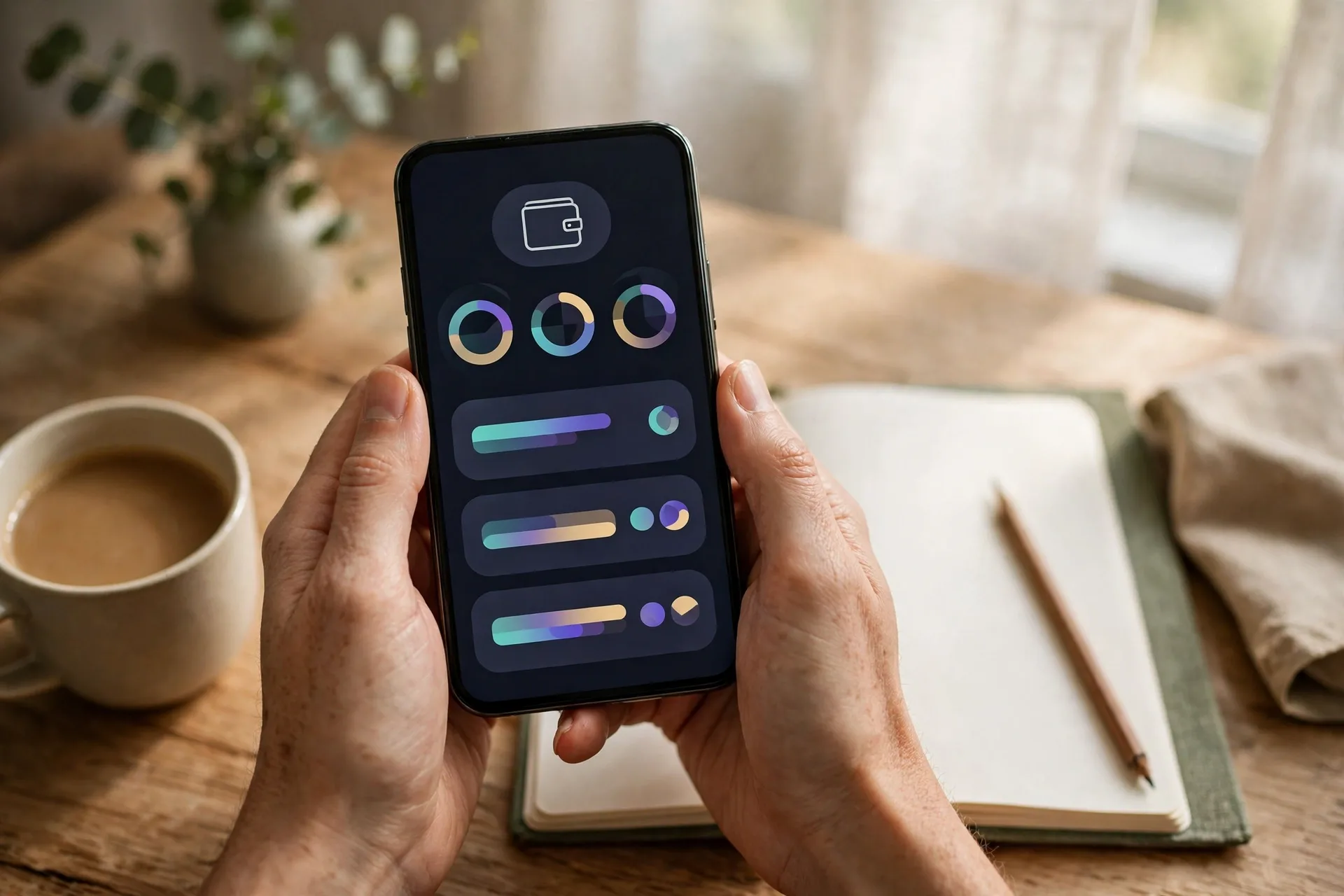
A hot crypto wallet is a wallet that keeps private keys in an internet-connected app, browser extension, or exchange account so transactions can be sent at once. Examples include mobile apps, browser extensions, and exchange accounts. Most hot wallets are free, set up in minutes, and connect to trading apps with a few taps.
Hot wallets work well for small payments, sending crypto to friends, and testing a new app with a small amount.
Hot wallets carry four clear risks. Malware can read keys or swap a copied address for an attacker address. Phishing sites and fake apps can trick a user into typing a seed phrase into a false form. An exchange account adds risk, because the exchange holds the keys and can freeze withdrawals.
What Is a Cold Crypto Wallet?
A cold crypto wallet is a wallet that keeps private keys offline on a hardware device or on paper so no internet connection can reach the keys during storage. Hardware wallets sign transactions inside a sealed chip, and the private key never leaves the device.
Cold wallets work well for long-term savings, larger balances that would hurt to lose, and coins that need no daily trading. The extra steps feel slow for daily use, and that slowness is the point: each send needs the device in hand, a PIN entry, and a physical confirmation on screen.
Cold wallets carry three clear risks. A lost device plus a lost seed phrase means permanent loss, because no support team can reset keys. A fake device from an unofficial seller can carry tampered software, so buy direct from the maker and check the seal. Common hardware wallets cost about 50 dollars to about 250 dollars.

Hot vs Cold Crypto Wallets: Side-by-Side Comparison
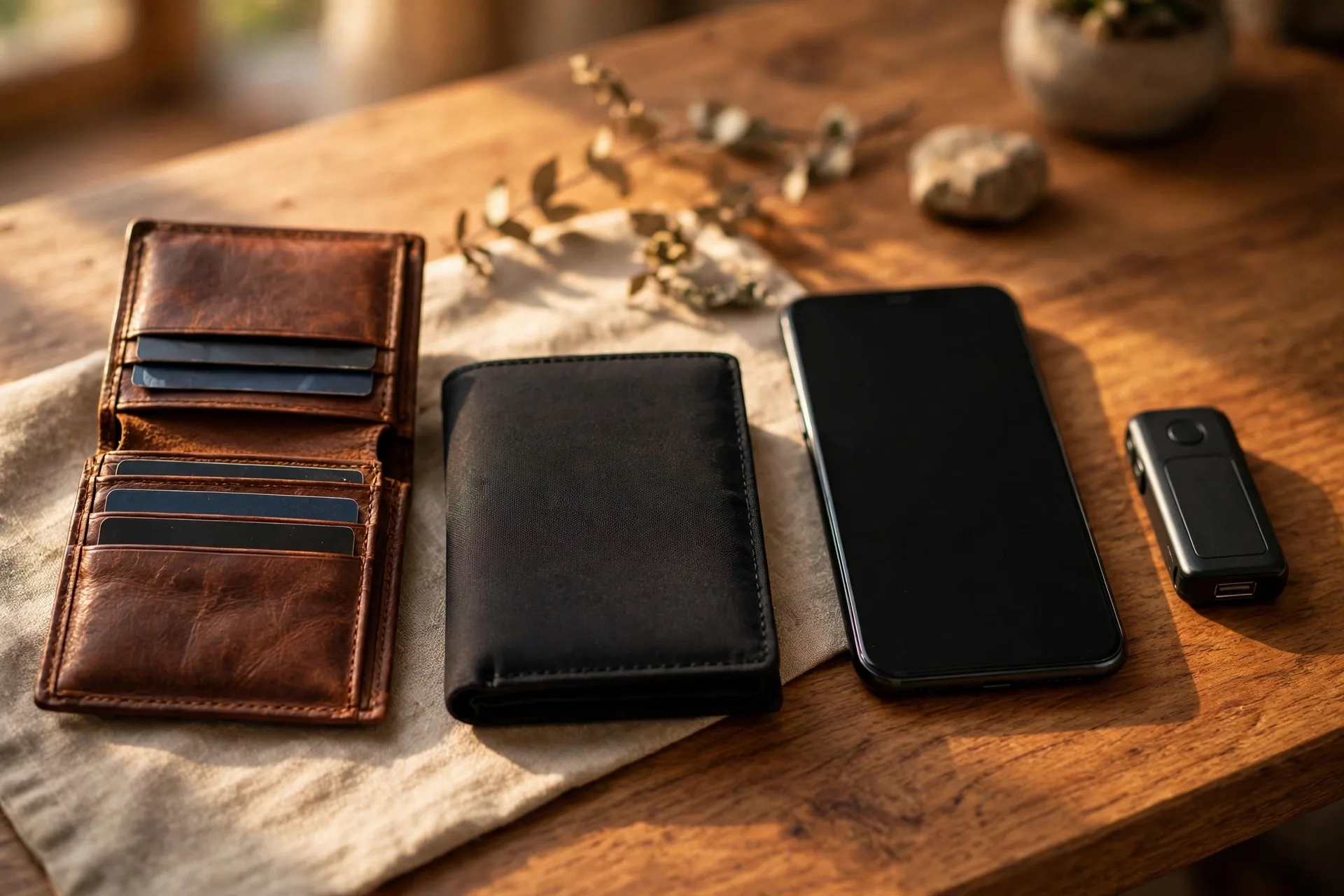
Hot vs cold crypto wallets trade speed for security: hot wallets win on speed and cost, and cold wallets win on security for larger balances. The table below compares the two types on connection, cost, setup time, ease of use, security, best use, and main risk. Use the table to match a wallet to your needs.
| Feature | Hot wallet | Cold wallet |
|---|---|---|
| Internet connection | Always online | Offline during storage |
| Examples | Mobile apps, browser extensions, exchange accounts | Hardware devices, paper wallets |
| Cost | Free in most cases | About 50 to 250 dollars for hardware |
| Setup time | Minutes | 20 to 40 minutes for a first setup |
| Ease of use | High, fast sends and swaps | Lower, extra steps per send |
| Security against remote attacks | Lower, online exposure | Higher, keys stay offline |
| Best use | Small amounts, frequent use | Larger amounts, long-term storage |
| Main risk | Phishing, malware, exchange failure | Lost seed phrase, fake device, physical damage |
A hot wallet fits frequent trading with small amounts.
Which Wallet Fits Your Situation?
The right wallet fits your amount, your frequency of use, and your comfort with extra steps, so match the wallet to the job rather than picking one type for all crypto. Start hot when you learn, and add cold storage as your balance grows.
- Use a hot wallet when you send crypto each week or hold a small learning amount.
- Use a cold wallet when you hold crypto for months or hold an amount that would hurt to lose.
- Use both wallets when you trade with crypto and also save for a long goal.
- Use an exchange account only for active trading when you accept that the exchange holds the keys.
Keep in a hot wallet only a normal month of crypto spending. Move the rest to cold storage after each buy.
Read how to buy your first crypto safely to plan your first small purchase before you set up either wallet type.
How Do You Set Up a Hot Wallet in 5 Steps?
To set up a hot wallet, download an official app, create a new wallet, write down the seed phrase offline, set a strong PIN or password, and send a small test amount first. The test amount step prevents the most painful beginner error: sending a large amount to a wrong address on a first try.
- Download the wallet app only from the official app store or maker site.
- Create a new wallet and choose a strong PIN or password you do not reuse elsewhere.
- Write the 12-word or 24-word seed phrase on paper by hand, in order, with no photo.
- Confirm the seed phrase in the app when the app asks for the words.
- Send a small test amount to the wallet, check that it arrives, then send a small amount out.
After setup, add two-factor authentication where offered and keep the app updated. Check the receiving address on screen before each send. For coin basics, read What Is Bitcoin? before your first transfer.
How Do You Set Up a Cold Wallet in 6 Steps?
To set up a cold wallet, buy a hardware device direct from the maker, initialize the device offline, write down the seed phrase on paper or metal, set a PIN, install the companion app, and send a small test amount first. The setup takes 20 to 40 minutes, and most of that time goes to careful seed phrase handling.
- Buy the hardware wallet direct from the maker or an approved seller and check the seal.
- Connect the device and follow the on-screen setup to create a new wallet.
- Write the 12-word or 24-word seed phrase on paper or a metal plate.
- Set a PIN you can recall without writing it next to the seed phrase.
- Install the companion app from the official site and pair the device with the app.
- Send a small test amount to the device, confirm the balance, then send a small test amount back.
After setup, store the device and the seed phrase in separate safe spots. Keep firmware updated through the official companion app, and never type the seed phrase into a website or support form.

How Do You Protect Your Seed Phrase?
A seed phrase is a list of 12 or 24 words that restores a whole wallet, so protect it offline, in a private spot, with no digital copy. It is the main backup for every key in the wallet. Anyone who holds it can restore the wallet on a new device and move the funds.
- Write the seed phrase by hand on paper or on a metal plate.
- Store the seed phrase in a private, dry spot away from the device.
- Never photograph, email, message, or save the seed phrase in a cloud note.
- Never type the seed phrase into a website, even one that claims to verify a wallet.
- Never share the seed phrase with support staff, because no real support team asks for it.
A second copy in a separate safe spot helps when fire or theft hits the first spot.

What Mistakes Cost Beginners Money?
Beginners lose money through five common mistakes: sharing a seed phrase, trusting a fake app, skipping a test send, keeping large amounts on an exchange, and approving a shady app without reading the approval. Each mistake is preventable, and each mistake costs money because crypto transactions cannot be reversed once confirmed.
Sharing a seed phrase tops the list. Scam messages pose as support staff and ask for the phrase to verify or fix a wallet. Real teams never ask for a seed phrase.
Fake apps rank next. Search ads and unofficial stores host copies of popular wallets that steal keys on setup. Download only from official sources. Skipping a test send also costs money, because a wrong address sends funds to a stranger.
Keeping large amounts on an exchange ranks next, because exchange hacks and failures have cost holders funds. Careless approvals rank last: read each approval and revoke old approvals in wallet settings. For market cycles, read Is Crypto Dead? for a plain view.
Do You Need Both a Hot and a Cold Wallet?
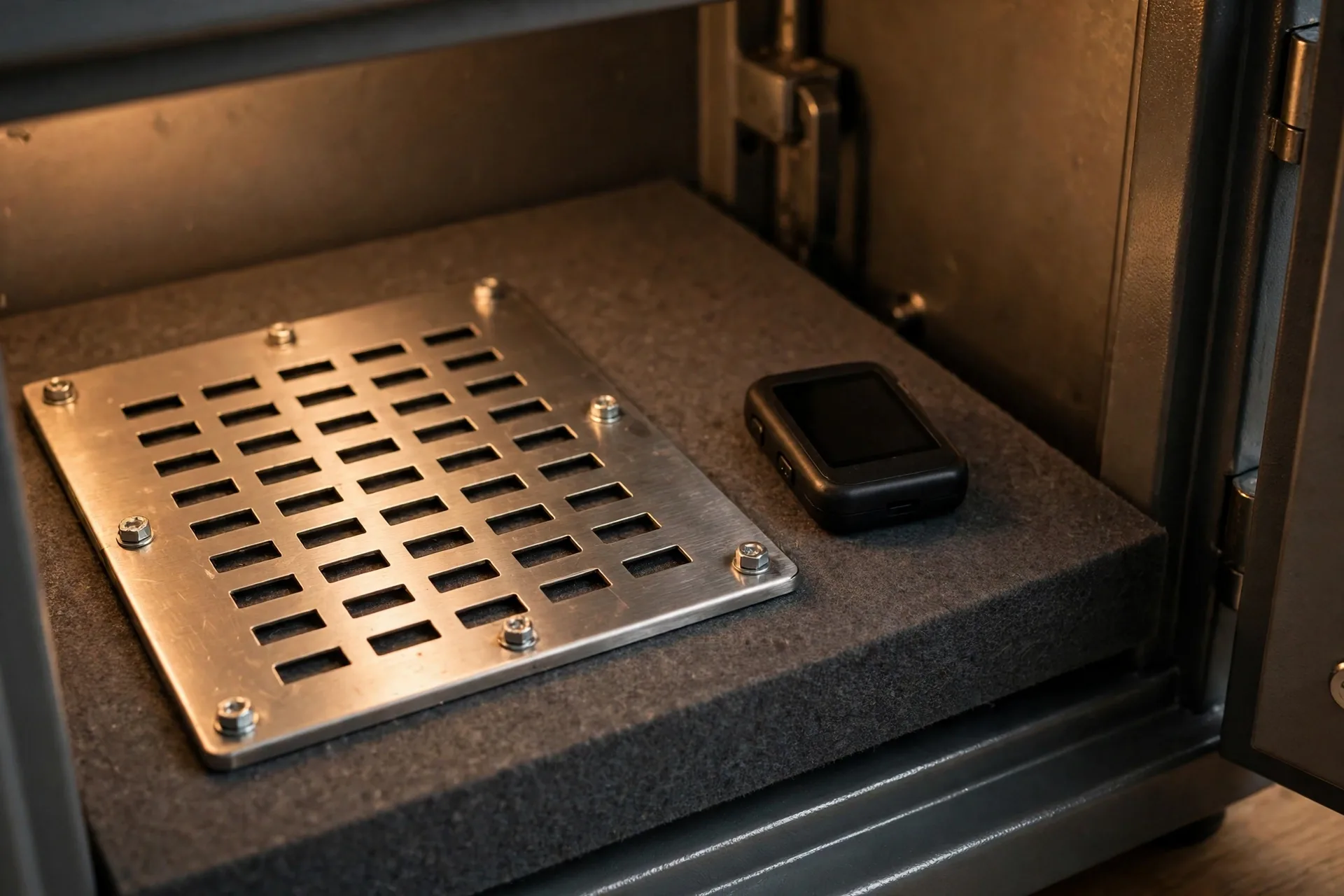
Yes, most crypto holders benefit from both wallet types, because a hot wallet covers daily use and a cold wallet covers long-term savings. A hot wallet alone leaves a large balance exposed to remote attacks. A cold wallet alone makes daily use slow and tempts a holder to skip good habits for speed.
A two-wallet setup works in three parts. Part 1 is a hot wallet with a small spending amount for weekly use. Part 2 is a cold wallet with the bulk of funds. Part 3 is a monthly move of amounts above the monthly spending level to the cold wallet.
The Cryptocurrency guides on this site cover more beginner crypto topics in the same plain style.
Frequently Asked Questions
Is a cold wallet safer than a hot wallet?
Yes, a cold wallet is safer than a hot wallet for long-term storage, because a cold wallet keeps private keys offline and out of reach of remote attacks. A hot wallet stays online, which gives malware and phishing a path to keys. A cold wallet still needs careful seed phrase handling, because a lost seed phrase means permanent loss.
Can a cold wallet be hacked?
Yes, a cold wallet can still be hacked in narrow cases, but remote hacking gets far harder when keys stay offline. Risks remain through fake devices, tampered software, and a seed phrase that leaks online. Buy direct from the maker, check the seal, and keep the seed phrase offline.
What happens if I lose my hardware wallet?
Losing a hardware wallet does not lose your crypto when you still hold the seed phrase, because the seed phrase restores the wallet on a new device. Buy a replacement device, enter the seed phrase in order, set a new PIN, and check the balance. Losing both the device and the seed phrase together means permanent loss.
Do I need a cold wallet as a beginner?
No, a beginner does not need a cold wallet on day one, because a hot wallet with a small amount teaches the basics at no cost. Add a cold wallet when your balance grows past the amount you can afford to lose, or when you start holding for months rather than trading each week.
Is it safe to keep crypto on an exchange?
Keeping a small amount on an exchange for active trading is common, but keeping a large amount on an exchange carries risk, because the exchange holds the keys. Exchanges can freeze withdrawals, suffer hacks, or fail, and holders then hold a claim rather than direct control. Move funds you do not trade to a self-custody wallet.
What is a seed phrase in simple terms?
A seed phrase is a list of 12 or 24 ordinary words that acts as the main backup for a whole crypto wallet. The wallet derives all private keys from that word list, so entering the words in order restores the same wallet. Store the words offline, never share them, and never save them as a photo or cloud note.
Conclusion
Hot vs cold crypto wallets serve different jobs, so pick the wallet that fits the job: a hot wallet for small, frequent use and a cold wallet for larger, long-term storage. A crypto wallet stores keys, not coins, and the internet connection of the wallet decides the main risk.
Start with a hot wallet and a small amount, learn addresses and test sends, and add a cold wallet as your balance grows. Protect the seed phrase offline from day one. Review your split each quarter and move funds above your monthly spending level to cold storage.
For a related next step, read how to buy your first crypto safely in 5 steps. Savvy Cash Flow publishes beginner money guides that keep crypto, budgeting, and saving in plain terms.
[…] wallet for test transfers, and I move larger amounts offline after a test send clears. Read the hot vs cold crypto wallets guide to match wallet type to amount, and read What Is Bitcoin? for coin […]