


Your credit score quietly controls how much you pay for almost everything you borrow. A higher score can mean a lower rate on a car loan, a better credit card offer, and an easier apartment approval. The good news is that you do not need years to see progress. If you want to learn how to improve your credit score fast, a few focused moves can lift your score within 30 to 90 days, and the habits behind them keep it climbing after that. This guide gives you a practical plan: what actually moves your score, what wastes your time, and the exact order to tackle each step.
Key Takeaways
- Payment history (about 35 percent) and credit utilization (about 30 percent) make up nearly two thirds of your score, so start there.
- Lowering credit utilization below 30 percent, and ideally below 10 percent, is often the fastest way to raise your score.
- Paying every bill on time, even just the minimum, protects the single biggest factor in your score.
- Checking your credit reports for errors and disputing mistakes can add points within weeks.
- Keep old accounts open, avoid too many new applications at once, and use small charges you pay off in full.
- Realistic timeline: small gains in 30 days, meaningful gains in 60 to 90 days, major improvement in 6 to 12 months.
What Is a Credit Score?
A credit score is a three digit number, usually from 300 to 850, that summarizes how risky you look to lenders based on your borrowing history. The most common models are FICO and VantageScore, and a higher score usually means cheaper borrowing.
Your score is built from five factors. Payment history counts for about 35 percent and credit utilization for about 30 percent. Credit history length counts for about 15 percent, credit mix for about 10 percent, and new applications for about 10 percent. Knowing this tells you where your effort earns the most points. Score ranges: 300 to 579 is poor, 580 to 669 is fair, 670 to 739 is good, 740 to 799 is very good, and 800 to 850 is excellent. You do not need a perfect 850. Moving from fair to good alone can unlock noticeably better offers.
How Fast Can You Improve Your Credit Score?
Most people see their first small gains within 30 to 45 days, because lenders typically report updated balances and payments once a month. Bigger gains usually take 60 to 90 days of consistent on-time payments and lower balances.
Speed depends on what is holding your score down. If high utilization is your main problem, paying balances down can lift your score quickly, sometimes by 20 to 40 points in one cycle. If late payments are the issue, recovery is slower, because they stay on your report for up to seven years, though their impact fades. If errors are dragging you down, a successful dispute can help within weeks. Be wary of anyone promising a 200 point jump overnight or offering to erase accurate negative information for a fee. Those are classic credit repair scams.
How Do You Check Your Credit Score for Free?
Before you try to raise your score, you need your starting number. You can check your credit reports for free every week at AnnualCreditReport.com, the only federally authorized source for reports from Equifax, Experian, and TransUnion. Many banks and card apps also show your score for free each month.
Pull all three reports, not just one, because errors can differ between bureaus. Look for accounts you do not recognize, wrong balances, duplicate debts, and payments marked late that you paid on time. Write down your score, total card balances, total credit limits, and any negative marks as your baseline, and compare them again in 30 and 60 days. Checking your own score is a soft inquiry, which never hurts your score. Only applications for new credit trigger hard inquiries, which can cost a few points each.

How Do You Lower Credit Utilization to Raise Your Score?
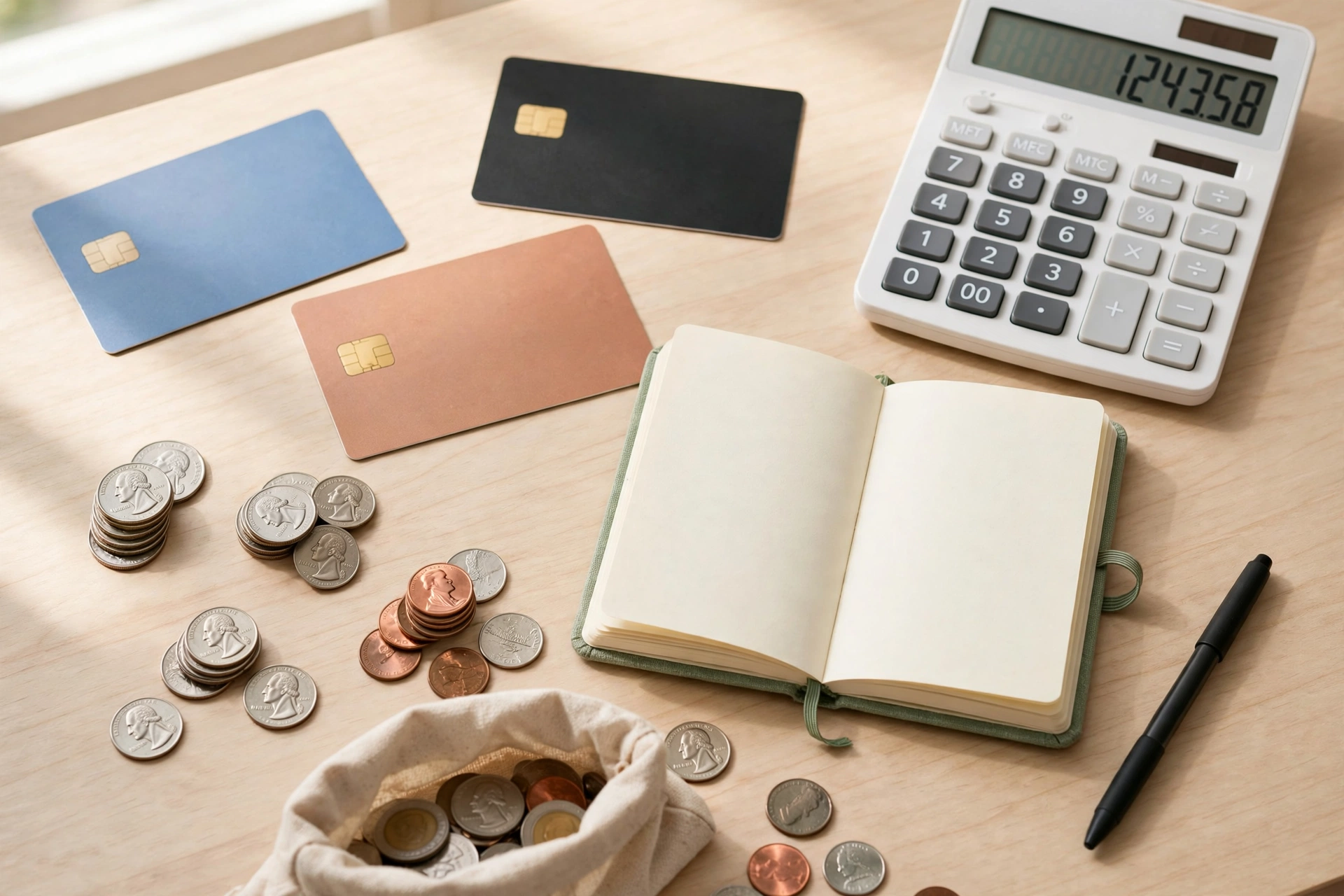
Credit utilization is the percentage of your available credit that you are currently using, and it is one of the fastest levers you have. If your total limit is $10,000 and your balances total $4,500, your utilization is 45 percent, which lenders read as financial stress even if you always pay on time. Aim to get below 30 percent first, then below 10 percent for the best results. In this example, that means paying the balance down to $2,900, then to $900. You do not need to reach zero to see gains, but lower is better.
Three tactics help. First, pay more than once a month, ideally before the statement closing date, because that is the balance most issuers report. Second, ask for a credit limit increase, which lowers utilization without extra payments, but only if you will not spend the extra room. Third, spread charges across cards rather than maxing out one card. One warning: do not close a card just because you paid it off. Closing it removes its limit from your total, which can push utilization up and lower your score.
How Does Paying On Time Improve Your Credit Score Fast?
Payment history is the single biggest factor in your score, at about 35 percent, so paying on time is non-negotiable. A single payment that is 30 days late can drop a good score by 60 to 100 points. On the flip side, a clean run of on-time payments is the steadiest way to rebuild.
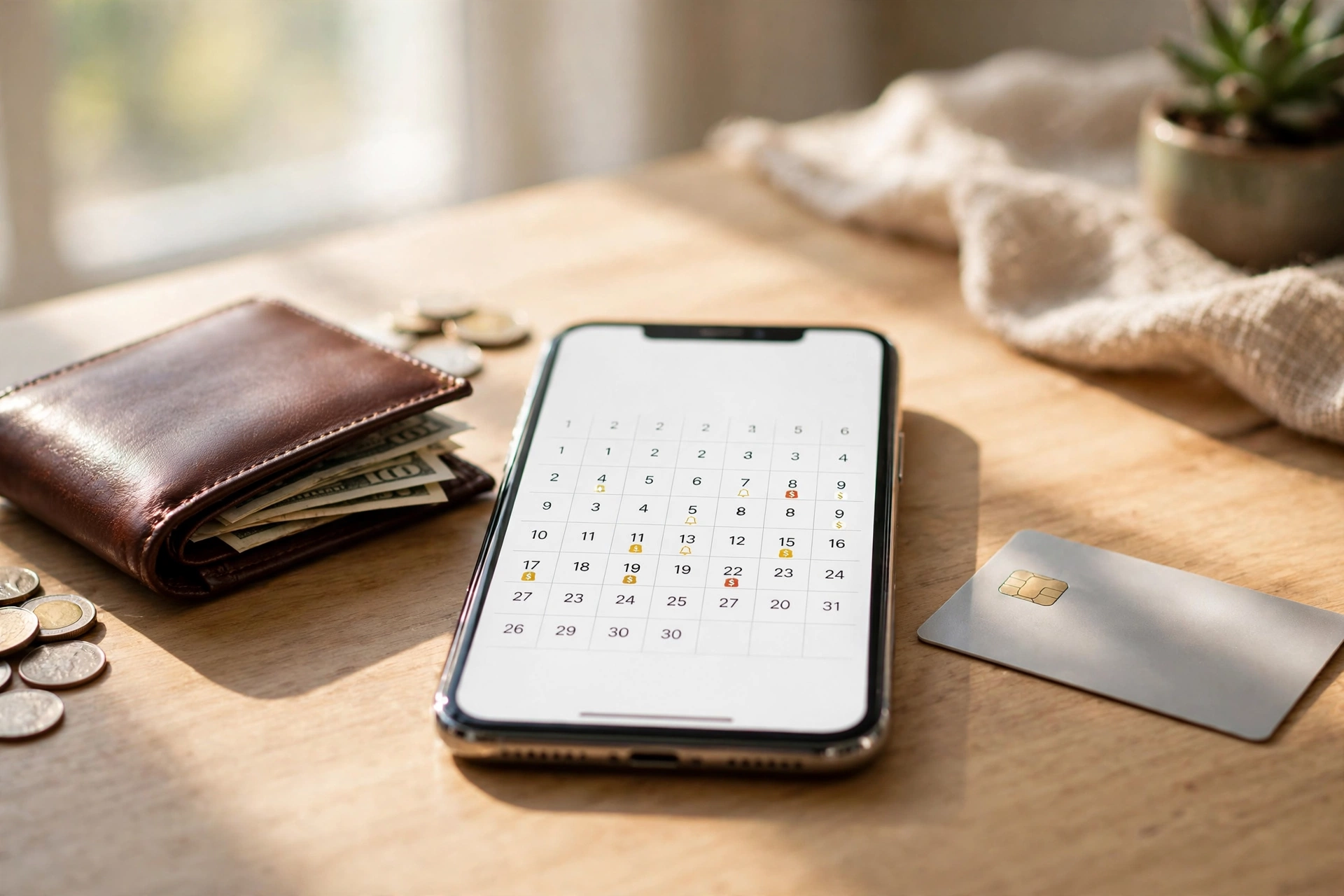
Set up autopay for at least the minimum payment on every account, including credit cards, loans, and buy now pay later plans. Autopay protects you from forgetfulness, the most common cause of accidental late payments. Then set a reminder a few days before each due date so you can pay extra toward the highest interest balance. If you have already missed a payment, act quickly. Pay it as soon as possible, because a payment 30 days late hurts far more than one a few days late, and many issuers only report after 30 days. Then call your issuer and politely ask for a goodwill adjustment to remove the late mark, especially if it was a one-time slip. It does not always work, but it costs nothing to ask.
If paying off high interest balances feels overwhelming, a structured payoff plan helps you stay on time while you clear debt. Our guide on how to pay off credit card debt in 12 months walks through monthly targets, payoff order, and lowering your APR, all of which protect your payment history.
Should You Pay Down Debt or Consolidate It First?
If you can pay down balances steadily and stay on time, direct payoff is usually the fastest route to a higher score because it lowers utilization directly. Start with either the highest interest card for the lowest total cost or the smallest balance for a quick win. Consolidation can help when rates are very high or juggling many payments makes late payments likely, but it only helps your score if you keep the old cards open at zero and do not run them up again. Read our beginner guide to debt consolidation explained to compare loan, balance transfer, and debt management options before you choose. Either way, keep a small cash cushion while you pay debt down, so a surprise expense does not land right back on a card. Our guide on how to build an emergency fund from scratch recommends a $1,000 starter fund first, then aggressive debt payoff, then a full three to six month fund.
How Do You Fix Errors on Your Credit Report?
Errors on credit reports are surprisingly common, and fixing them is one of the quickest wins available. Look for accounts that are not yours, wrong balances, duplicate collection accounts, and late payments you know you made on time. Gather proof, such as statements or payment confirmations, then file a dispute online with the bureau reporting the error. The bureau generally has 30 days to investigate, and if the creditor cannot verify the item, it must be corrected or removed. Many people see a score bump within one to two reporting cycles after a successful dispute.

What Credit Building Tools Actually Help Beginners?
If you have a thin credit file, you need accounts that report positive activity. A secured card is the most reliable starter tool: a refundable deposit, usually $200 to $500, becomes your limit, and after 6 to 12 months of on-time payments many issuers upgrade you and refund the deposit. A credit builder loan also works: the lender holds the loan amount in savings while you make payments, reports each one, and hands you the money at the end. The rule stays the same: small charges, paid on time, paid in full whenever possible.
What Mistakes Hurt Your Credit Score the Most?
The most damaging mistakes are missing payments, maxing out cards, closing your oldest card, applying for many new accounts in a short window, and co-signing a loan you cannot control. Each hits payment history, utilization, or history length, the three factors that matter most. Applying for several cards at once is a common trap: each application creates a hard inquiry that can cost a few points. Rate shopping for one mortgage or car loan within a short window is usually treated as a single inquiry, but scattering card applications is not. Space applications out and only apply with a real reason. Overspending is often the root cause of high utilization and late payments, and fixing it protects your score automatically. Our guide to budgeting mistakes beginners make covers the ten most common traps, with a simple fix for each.
Your 30 Day Credit Score Action Plan
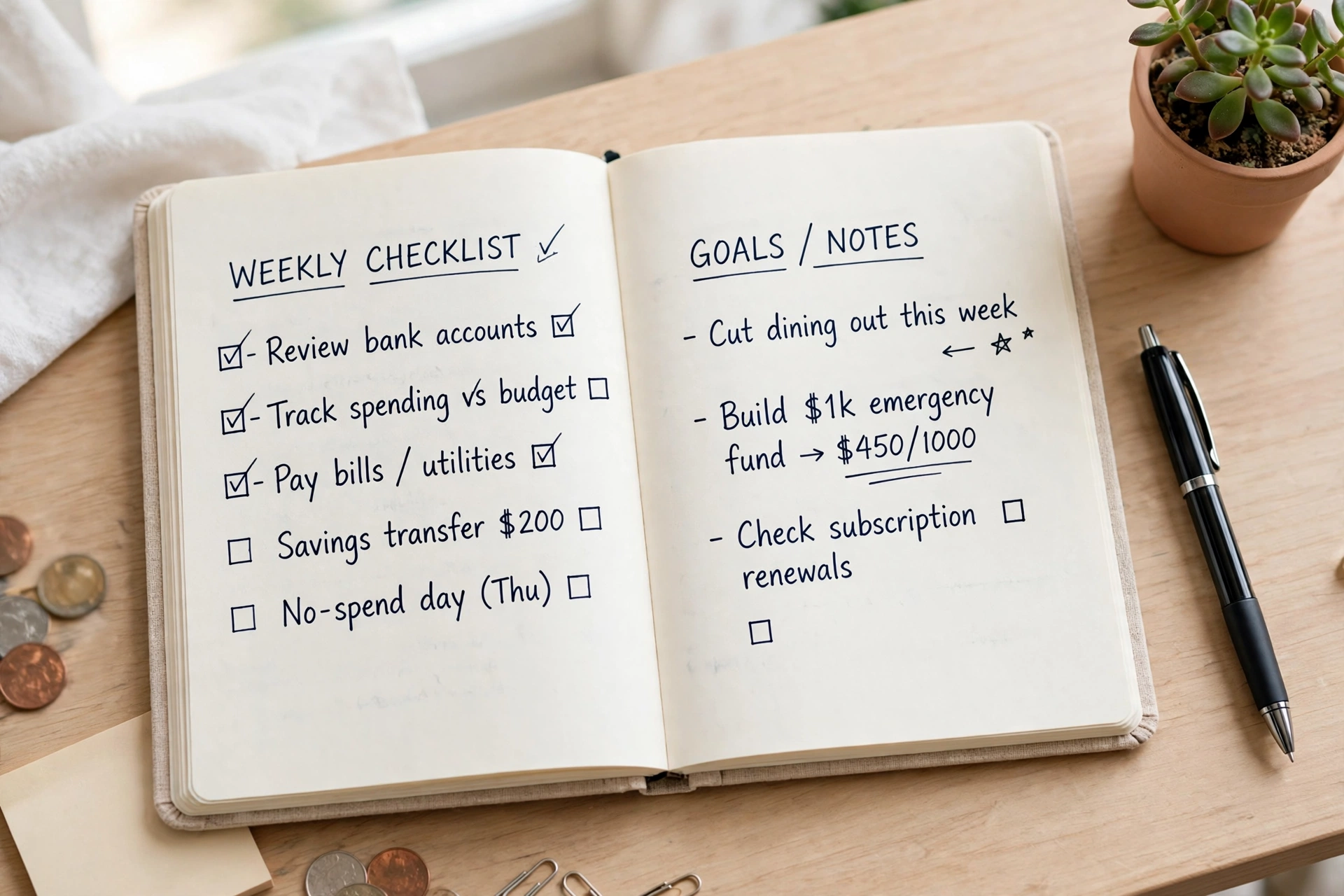
Week 1: pull all three reports, note your baseline score, balances, and limits, dispute errors, and set up autopay for at least the minimum on every account. Week 2: calculate your utilization, pay down to below 30 percent if you can, and ask one issuer for a limit increase if your payment history is solid. Week 3: pay cards before their statement closing dates so lower balances get reported, and find $50 to $200 a month to redirect toward balances. Week 4: check your score again, note what changed, and set your next target, such as below 10 percent utilization. Repeat monthly.
Frequently Asked Questions
How long does it take to improve your credit score?
Most people see small gains within 30 to 45 days after lower balances and on-time payments are reported. Meaningful gains usually take 60 to 90 days, and major improvement takes 6 to 12 months. Utilization moves fastest, while late payment recovery takes longest.
What is a good credit score to aim for?
A score of 670 or higher is considered good and unlocks most standard loan and card offers. A score of 740 or higher is very good and usually qualifies you for the best rates. You do not need a perfect 850 to get great terms, so aim for good first, then very good.
Does checking my credit score hurt it?
No. Checking your own score or report is a soft inquiry and never lowers your score. Only hard inquiries from applications for new credit can cost a few points, and those fade after about two years. Check your score as often as you like.
Should I close old credit cards to improve my score?
No, in most cases. Closing an old card shortens your credit history and removes its limit from your total, which can raise your utilization and lower your score. Keep old cards open with a small recurring charge on autopay, paid in full, so they keep helping your history and your available credit.
Conclusion: Start Your Credit Score Climb Today
Learning how to improve your credit score fast comes down to a short list of moves done consistently: pay on time, lower your utilization, fix report errors, keep old accounts open, and apply for new credit sparingly. Your first move takes less than an hour: pull your three credit reports today, set up autopay on every account, and make one payment that brings your utilization down. Then repeat the 30 day plan each month. A year from now, your score, and the rates you qualify for, can look very different.
This article is for general information only and is not financial advice. For personalized guidance, consider speaking with a certified financial planner or nonprofit credit counselor.
[…] See also How to Improve Your Credit Score Fast: 9 Proven Steps That Work […]