

Key Takeaways
- An online income scam is any fake job, business, or investment offer that promises income online but is designed to steal your money or personal information.
- Never pay money upfront to get a job. Legitimate employers pay you, not the other way around.
- The eight red flags: upfront fees, guaranteed income, unsolicited contact, pressure tactics, vague job details, check or money-forwarding schemes, unverifiable companies, and payment requests via gift cards, crypto, or wire transfers.
- The most common 2026 scams are fake check scams, reshipping scams, paid-task scams on WhatsApp and Telegram, fake crypto investment schemes, and fake freelancing clients who never pay.
- Verify any offer in ten minutes: research the company, read independent reviews, and search the offer text plus the word “scam”.
- If you already paid a scammer, stop all contact, report it, and lock down any accounts or information you shared.
What Is an Online Income Scam?
An online income scam is a fake opportunity that promises you income from the internet, through a job, a side hustle, a business, or an investment, but is actually designed to steal your money, your personal information, or both. The pitch usually sounds exciting: work from home, set your own hours, earn thousands with no experience.
The difference is simple. A real opportunity pays you over time in exchange for genuine work. A scam makes money from you, through fees, deposits, or purchases you are pressured into making before you ever earn anything.
Why Are Online Income Scams Rising in 2026?
Short answer: Remote work is mainstream, AI makes fake offers look professional, and economic pressure pushes more people to search for quick income online. More desperate searchers means more victims, so scam volume keeps climbing.
Job and business opportunity scams cost consumers hundreds of millions of dollars every year, and a fake listing costs a scammer almost nothing. Learn defense before you start searching.
8 Red Flags That Reveal an Online Income Scam
Short answer: Upfront fees, guaranteed income, unsolicited offers, pressure to decide fast, vague job descriptions, check or money-forwarding schemes, unverifiable companies, and requests for gift cards, crypto, or wire transfers. Spot even one and walk away.
1. You Must Pay Money to Start Working
Short answer: No real employer charges you to get a job. Any “training fee,” “starter kit,” or “refundable deposit” required before you earn is almost certainly a scam.
Scammers collect fees from hundreds of applicants, then disappear. A $49 starter kit sold to 500 people is a $24,500 payday. Buying your own supplies for a genuine business is different: you keep the assets instead of sending money to your “employer.”

2. The Income Is Guaranteed or Sounds Too Good to Be True
Short answer: Promised earnings like “earn $5,000 a month with no experience” are a red flag. Real income depends on your skills, effort, and market demand, and no one can guarantee it.
Honest opportunities talk in ranges, like “$20 to $50 an hour for experienced freelancers.” Scammers talk in certainties, like “you will earn $500 a day.” If the pay is triple the market rate for the skill required, it is bait, not generosity.
3. They Contact You Out of Nowhere
Short answer: Treat any unsolicited job offer by text, email, WhatsApp, Telegram, or social media as suspicious. Real recruiters use professional channels, not random texts.
The classic pattern: “Hi, I found your resume online. We have a remote position paying $800 a week.” You never applied. The scammer sent the same message to thousands of people, and a tiny response rate is still profitable.
4. They Pressure You to Decide Immediately
Short answer: Pressure stops you from researching, thinking, or asking questions. A real opportunity will still exist tomorrow after you have done your homework.
Watch for “only two spots left” or “send payment today to lock in your position.” Real hiring involves applications, interviews, and paperwork, never one frantic afternoon over WhatsApp.
5. The Job Description Is Vague
Short answer: If you cannot tell what the work is after reading the description twice, that vagueness is deliberate. Scammers keep details fuzzy so they can pivot to whatever extracts your money.
Real postings name the role, the tasks, the hours, and the pay structure. Scam postings say “simple tasks from your phone.” When you ask for details, they dodge. Honest companies give specifics for free, so vagueness is a choice.
6. They Send You a Check or Ask You to Forward Money
Short answer: If anyone sends you money and asks you to forward part of it elsewhere, you are being used in a fake check scam. The check will bounce, and you will owe the bank everything you sent on.
The “employer” sends a $2,000 check and asks you to forward $1,500 to a “supplier.” Banks take days to spot a fake check. When it bounces, the bank reclaims the full $2,000, and whatever you forwarded is gone.
7. The Company Cannot Be Verified
Short answer: Any real company has a website with a physical address, reviews on independent sites, and a business registry listing. If the company exists only in the recruiter’s messages, it does not exist.
Search the company name plus “reviews” and “scam.” Check the website’s domain age (two weeks old is a bad sign) and look for them on LinkedIn or the Better Business Bureau. Scammers invent impressive company names because most people never verify them.
8. They Ask for Gift Cards, Crypto, or Wire Transfers
Short answer: Gift cards, crypto, and wire transfers are irreversible and hard to trace, which is exactly why scammers demand them. Any opportunity asking for these payments is a scam, no exceptions.
Real companies accept checks, bank transfers, or card payments, all of which leave a paper trail. The moment someone asks for gift card codes or Bitcoin to “activate your account,” you are handing cash to a stranger.
The 5 Most Common Online Income Scams in 2026
Short answer: Fake check overpayment scams, reshipping scams, paid-task scams on messaging apps, fake crypto investment schemes, and fake freelancing clients who never pay. Each targets beginners looking for flexible income.
Fake Check and Overpayment Scams
Someone “hires” you, sends a check for more than your first payment, and asks you to forward the difference. The check is fake, and you lose whatever you forwarded. Never deposit a check from a stranger.

Reshipping and “Package Handler” Scams
A fake company hires you to receive packages and forward them on. Those packages were bought with stolen credit cards, making you an unknowing accomplice to fraud. Real warehouse jobs never operate from your living room.
Paid-Task Scams on WhatsApp and Telegram
A message offers $20 to $50 per task for simple work like liking videos. It pays small amounts first to build trust, then asks you to deposit your own money to “unlock” bigger tasks. That deposit disappears. No legitimate platform requires you to fund your own task account.

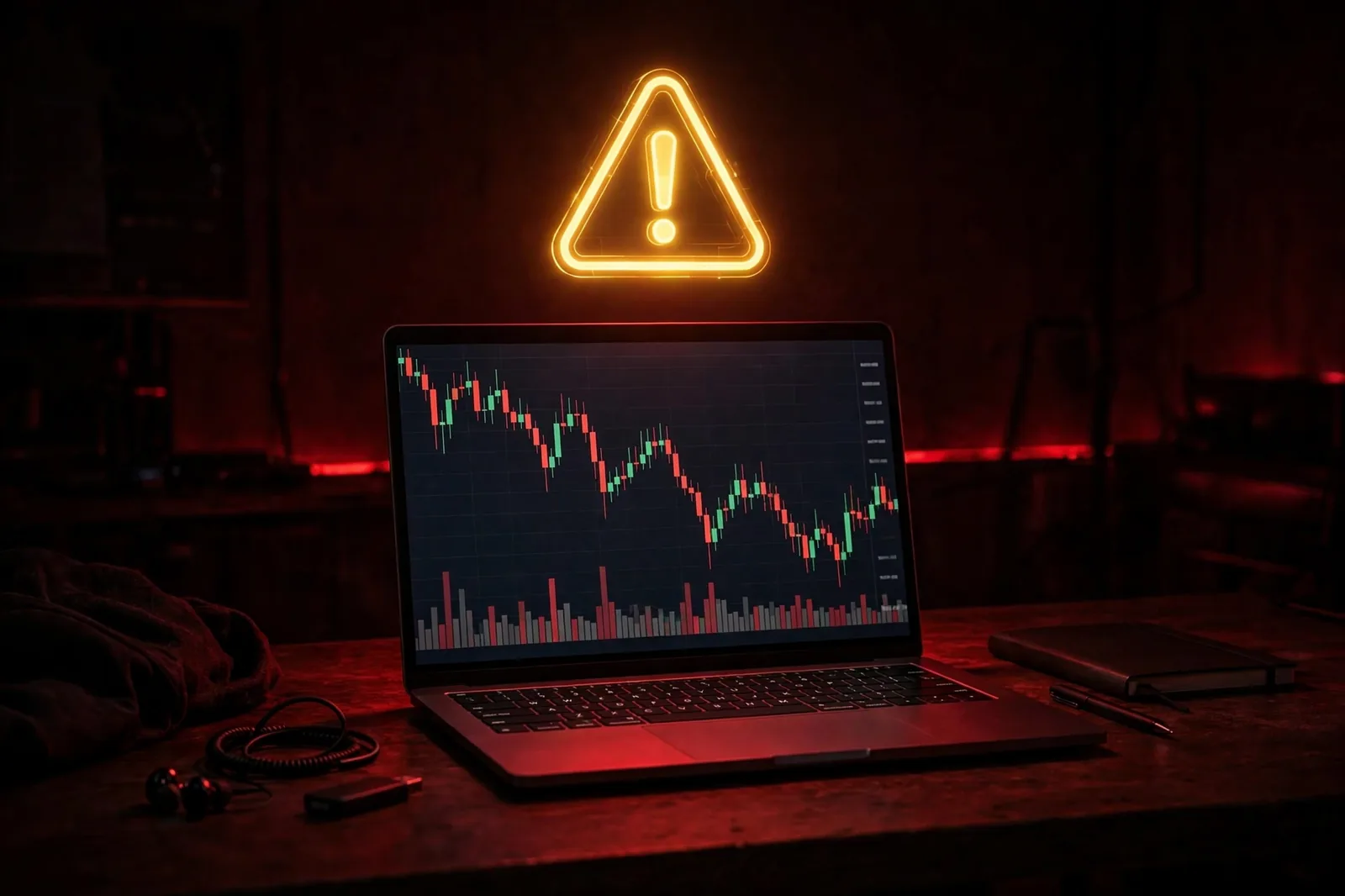
Fake Crypto Investment and Trading Scams
A “mentor” from social media promises guaranteed returns on their platform. You deposit funds, watch fake profits grow on a fake dashboard, and lose everything when you try to withdraw. Crypto scams are so common we wrote a separate guide on whether crypto is dead: never send crypto to strangers.
Fake Freelancing Clients Who Never Pay
A client commissions real work, then vanishes at invoice time or keeps requesting free “samples.” Use written agreements, partial payment upfront, and platforms with built-in payment protection until a client has earned your trust.
How to Verify Any Online Offer in 10 Minutes

Short answer: Search the company name plus “scam” and “reviews,” confirm the website is older than a few months with real contact details, and check that the pay matches the work. If anything fails, walk away.
- Search the exact offer text. Copy a sentence from the pitch, paste it into Google with quotes, and add the word “scam.”
- Verify the company. Real website, physical address, a phone number that gets answered, reviews on independent sites. A Gmail address and a two-week-old website are deal-breakers.
- Check the pay against reality. If the offer pays three times the going rate for less work, the extra money is coming from your wallet.
- Test the pressure. Say you need a day to think. Scammers push harder or disappear. Real employers respect diligence.
- Never pay to get paid. This single rule would prevent the majority of online income scams.
What to Do If You Already Paid or Shared Information
Short answer: Stop all contact with the scammer immediately, report the scam to the FTC and your bank, and lock down anything you shared. Freeze your credit if you gave out personal details, and change passwords if you shared login access.
Never pay a “recovery fee” to get your money back: that is a second scam layered on the first. Report at ReportFraud.ftc.gov and contact your bank to dispute charges. Then tell someone you trust, because shame keeps scams profitable.
Online Income Scam FAQs
How can I tell if a work-from-home job is real?
A real work-from-home job has a verifiable company, a clear job description, a professional hiring process with interviews, and no upfront fees. The pay matches market rates, and nobody pressures you to decide in a day.
Is it ever legitimate to pay for a job opportunity?
Paying for your own tools is normal, like buying a laptop for freelancing. Paying the employer a fee, deposit, or training cost to get hired is not. Legitimate employers pay you, never the reverse.
Are all crypto income opportunities scams?
No. Legitimate crypto investing exists, but beginners meet far more scams than legitimate offers on social media and messaging apps. Treat every unsolicited crypto offer as a scam until proven otherwise.
What are the safest ways to make money online?
Stick to established platforms and proven models: freelancing with payment protection, selling on major marketplaces, and building real skills that pay market rates. Our guide to legitimate side hustles you can start this weekend covers realistic options, and realistic passive income ideas for beginners separates honest strategies from hype.
I already sent money to a scammer. Can I get it back?
It depends on how you paid. Credit card and bank payments can sometimes be disputed if you act fast. Gift cards, crypto, and wire transfers are almost impossible to recover. Report the scam either way: reporting is how watchdogs track scammers and warn others.
Why do smart people fall for online scams?
Scammers exploit emotions, not intelligence: hope for financial freedom, fear of missing out, and trust in professional-looking materials. Falling for one says nothing about your intelligence.
Conclusion: Stay Hungry, Stay Skeptical

Real online income is absolutely possible. Millions earn real money freelancing, selling, and building businesses from their laptops. But the same internet that enables honest earning makes dishonest scamming cheap, so your first investment in online income should be knowledge, not cash.
Memorize the eight red flags, run the ten-minute verification on every offer, and never pay to get paid. Start with our realistic passive income ideas for beginners and the money mistakes that keep people poor so you protect what you earn.
Stay hungry for opportunity, stay skeptical of shortcuts, and your money will stay exactly where it belongs: with you.