


Introduction
Easy ways to lower your monthly bills start with a 20-minute audit of every recurring charge, then cancel unused subscriptions, negotiate internet, phone, and insurance rates, and trim energy, grocery, bank, and transport costs with small fixed changes that hold month after month. Most households can free $100 to $250 a month in the first 30 days with this sequence.
This guide covers 11 easy ways to lower your monthly bills in order: audit, subscriptions, negotiation, insurance, energy, internet and phone, meals, fees, debt, and transport. It also names the bills to protect, shows a worked example that saves $219 a month, and ends with a 7-day plan. Savvy Cash Flow covers practical money guides for beginners who want clear steps.
Key Takeaways
- Audit every recurring charge in 20 minutes before you cut anything.
- Cancel, pause, or downgrade subscriptions first, because unused subscriptions drain money.
- Ask for the retention department when you negotiate, and use a short script for each bill type.
- Automate the amount you cut on payday.
What Are Monthly Bills and Where Does the Money Go?
A monthly bill is a recurring charge that covers a service, a utility, or a debt payment each month, and the charge repeats on a fixed date until you change it, cancel it, or pay the debt in full for good. Monthly bills fall into fixed charges, such as rent and loan payments, and variable charges, such as electric use and groceries.
Housing takes about 34 percent of household spending, transportation about 16.5 percent, and food about 13 percent. Source: U.S. Bureau of Labor Statistics (2026). The Frugal Living guides on this site group money-saving guides by topic.
1. Audit Every Recurring Charge in 20 Minutes

An audit of every recurring charge in 20 minutes finds every subscription, fee, and automatic payment in two months of bank and card statements, and the audit gives you a full list to cancel, negotiate, or downgrade in a single sitting. Follow these 5 steps:
- Open two months of statements.
- Mark each charge K, C, or P.
- Add the C charges to find the saving.
- Add the P charges to find the saving.
- List each K charge renewal date.
2. Cancel, Pause, or Downgrade Subscriptions
Cancel, pause, or downgrade subscriptions to remove charges for services you rarely use, and the saving starts with the next billing cycle, with no call and no wait, so the cut takes minutes and the money stays in your account. Streaming, music, apps, and memberships often stack up to $40 to $80 a month.
In my own audit, I found two streaming services I had not opened in three months, and I cancelled both the same day. These steps help you cut monthly expenses without stress by removing charges first.
3. How Do You Negotiate a Lower Bill?

You negotiate a lower bill by calling the provider, asking for the retention department, naming a lower competitor price, and asking for a lower rate or a waived fee, and one 15-minute call can cut $20 to $50 a month. Use these scripts. Internet: “My bill is now $85 a month, and a competitor offers the same speed for $55. Can you match it?” Phone: “My plan costs $120 a month for two lines. What retention offers do you have today?” TV: “My TV bill rose to $95 a month. What is the lowest price for the basic package?”
When the agent says no, ask for retention, a one-time credit, or a fee waiver, and ask for the new rate in writing.
4. Shop Your Insurance Once a Year
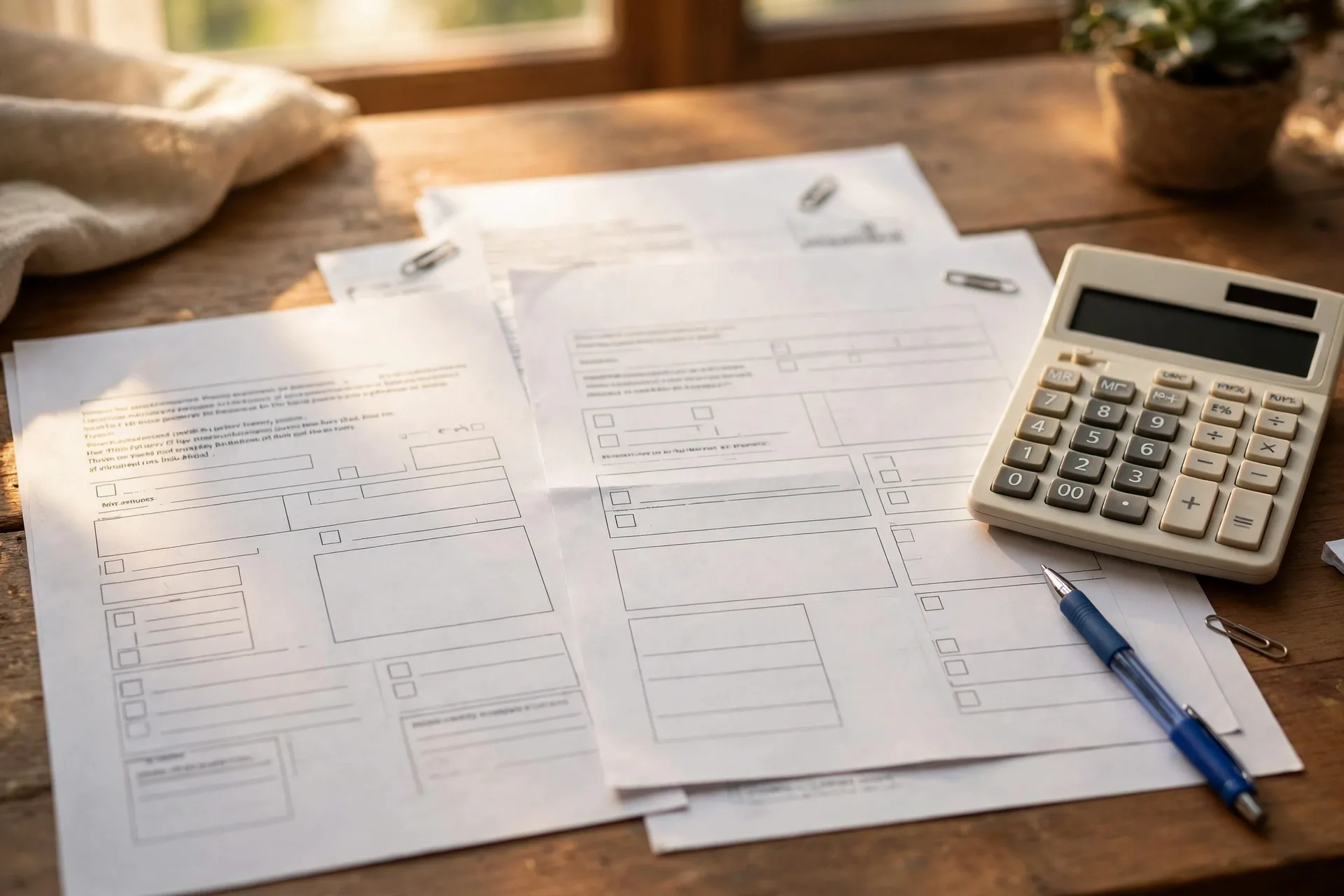
Shop your insurance once a year by getting three competing quotes for the same coverage at renewal, and the comparison shows whether your current premium beats the market or costs $20 to $40 a month more than a fair market price. Insurance prices change each year, and a rate that was fair last year can sit well above the market this year.
Get auto and home or renters quotes from three providers, and compare the same limits and discounts. Ask about safe-driver, bundle, and pay-in-full discounts.
5. Cut Your Electric and Water Bills Without New Equipment

You cut your electric and water bills without new equipment by switching to LED bulbs, shifting the thermostat 2 degrees, washing clothes in cold water, and fixing leaks, and those four changes can cut $15 to $35 a month at home. Small use changes beat new purchases, because the saving starts on the next bill.
Switch daily bulbs to LED, and turn off lights in empty rooms. Set the thermostat to 78 in summer and 68 in winter. Learn how to save money on utilities every month with a full checklist.
6. Lower Your Internet and Phone Bills
You lower your internet and phone bills by dropping to the speed you use, removing rented equipment, and moving to a cheaper plan, and the three changes together can cut $30 to $60 a month from two bills at once. Run a speed test at peak hours, and drop to a lower tier when your use stays below it. Return a rented router and buy your own once, because a $10 rental costs $120 a year.
Read next: How to Negotiate Bills and Save Hundreds a Year for full scripts.
7. How Much Can Meal Planning Save on Groceries?

Meal planning can save a household $60 to $120 a month on groceries by cutting waste, cutting impulse buys, and cutting takeout from 4 nights a week to 1 night a week, with no change to the food you enjoy. A household spending $520 a month on groceries that cuts waste by 20 percent saves about $104 a month.
Plan 5 dinners and shop the list once. Cook double portions twice a week and eat the rest for lunch. Find more ideas to save money on groceries every month with a weekly plan.
8. Stop Paying Bank and Card Fees
You stop paying bank and card fees by switching to a no-fee checking account, setting up autopay for card bills, and asking the bank to waive or refund a fee, and the change can save $15 to $40 a month. Bank fees hide in small charges, and $12 a month in fees costs $144 a year.
Check statements for maintenance, ATM, and late fees. Switch to a checking account with no monthly fee and no minimum balance. Set up autopay for the minimum card payment.
9. Refinance or Restructure Costly Debt
You refinance or restructure costly debt by moving a high-rate balance to a lower-rate loan or a balance transfer card, and the move cuts the monthly interest charge, not the debt itself, so more of each payment clears the balance. A $3,000 card balance at 24 percent APR costs about $60 a month in interest, and the same balance at 12 percent APR costs about $30 a month in interest.
A 0 percent APR card for 12 months with a 3 percent fee costs $90 to move a $3,000 balance, and the move saves money only when you pay in full before the period ends.
10. Cut Transport Costs Without Giving Up the Car
You cut transport costs without giving up the car by driving less, keeping the car maintained, and comparing fuel and parking costs, and the three habits together can save $40 to $80 each month with no change to your driving. Transport takes about 16.5 percent of household spending. Source: U.S. Bureau of Labor Statistics (2026). Fuel, insurance, and repairs make up most of that share.
Combine errands into one trip a week. Keep tires at the right pressure, and change the oil on schedule.
11. Which Bills Should You Never Cut?
You should never cut insurance coverage, prescription medicine, your retirement match, or car maintenance, because each of those bills protects your health, your income, or your safety, and a cut here costs far more than the monthly saving over time. A $25 saving on a prescription can lead to a hospital bill of thousands of dollars, and a skipped oil change can lead to an engine repair of thousands of dollars.
Keep full coverage limits and lower the premium by shopping. Take every prescription as your doctor directs, and ask for a generic version. Take the full retirement match, because the match is part of your pay. The practice of frugality works best when it cuts waste.
A Worked Example: One Household, $219 a Month Lower
One household can lower its monthly bills by $219 a month and $2,628 a year with 8 small changes, and the table below shows the before and after numbers for each bill in an illustrative example for one household in this guide. These numbers are an illustrative example.
| Bill | Before | After | Saving |
|---|---|---|---|
| Internet | $85 | $65 | $20 |
| Phone | $120 | $85 | $35 |
| Streaming | $48 | $21 | $27 |
| Electric | $150 | $125 | $25 |
| Groceries | $520 | $460 | $60 |
| Insurance | $190 | $165 | $25 |
| Bank fees | $18 | $0 | $18 |
| Takeout | $95 | $86 | $9 |
| Total | $1,226 | $1,007 | $219 |
Negotiate vs Switch: When to Use Which
Negotiation wins when you like your provider and the price gap is small, while switching wins when a competitor beats your price by $20 or more a month for the same service, and the table shows when to use each approach.
| Approach | Best when | Typical saving |
|---|---|---|
| Negotiate | You like the provider | $20 to $50 a month |
| Switch | A competitor beats your price by $20 or more | $30 to $80 a month |
Negotiate first, and switch if the call fails.
Your 7-Day Plan: Easy Ways to Lower Your Monthly Bills
Your 7-day plan to lower your monthly bills runs one task per day for 7 days, and the plan ends with every bill audited, negotiated, or switched, plus the saving automated on payday for good, and the result is a lower bill total.
- Day 1: Audit two months of statements and mark each charge.
- Day 2: Cancel C charges and pause P charges.
- Day 3: Call your internet provider.
- Day 4: Call your phone provider.
- Day 5: Get three insurance quotes.
- Day 6: Switch to a no-fee account.
- Day 7: Add the saving and set an automatic transfer.
What to Do With the Money You Free Up
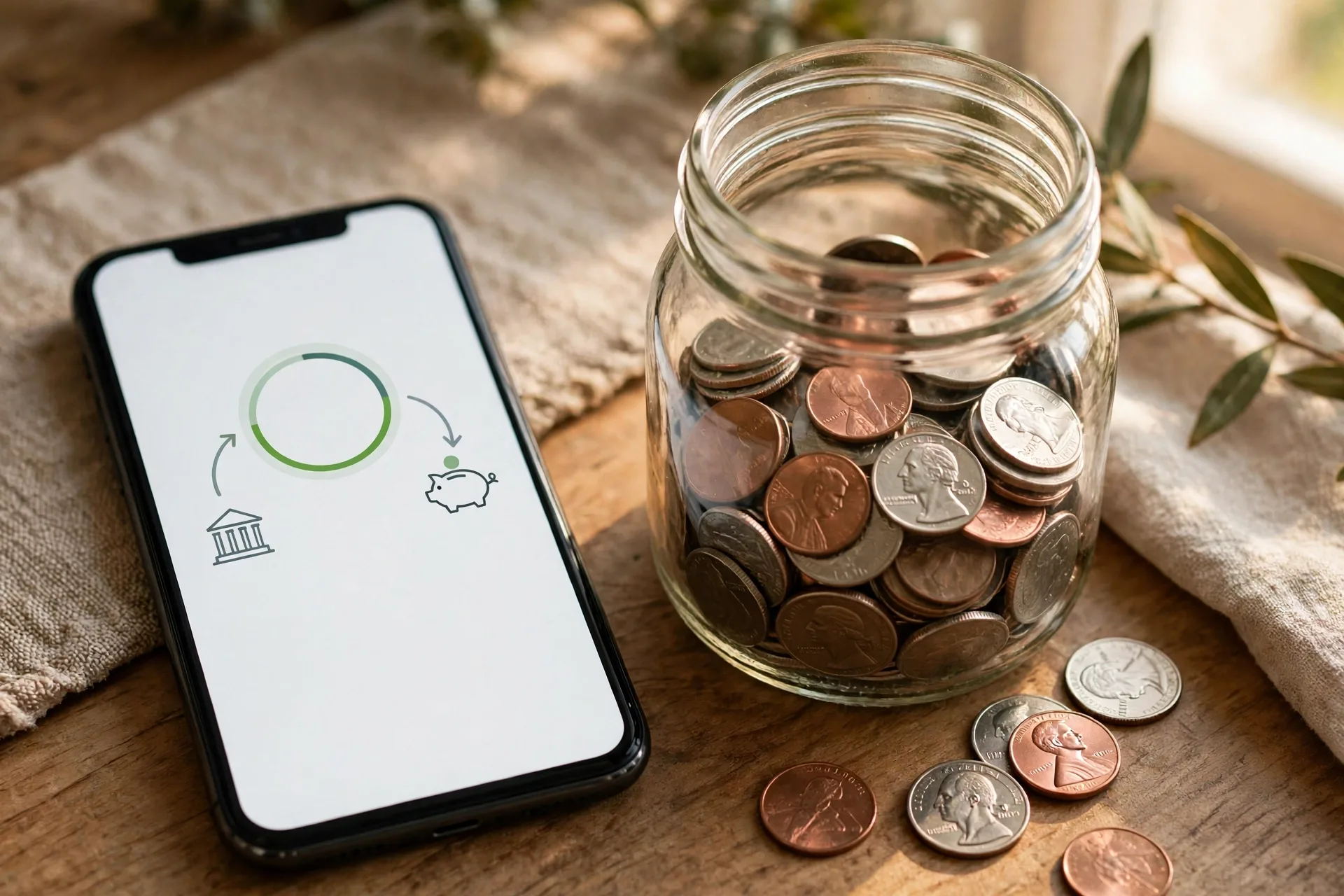
You should move the money you free up to savings or to your highest-rate debt with an automatic transfer on payday, because money that leaves on payday never sits in checking long enough to get spent each month, so set the transfer once and forget it. A $219 monthly saving moved on payday becomes $2,628 a year.
Open a High-Yield Savings Account (HYSA) for the transfer, or send the money to the card with the highest Annual Percentage Rate (APR) first. Set the transfer date to payday.
Frequently Asked Questions
What is the fastest way to lower monthly bills?
The fastest way to lower monthly bills is a 20-minute audit plus two calls, because the audit finds unused charges to cancel at once and the calls to internet and phone providers can cut $20 to $50 a month each. Cancel unused subscriptions first, then call retention with a competitor price in hand.
Does cancelling subscriptions hurt your credit score?
No, cancelling subscriptions does not hurt your credit score, because subscriptions are not credit accounts and the credit bureaus do not track them. Only closing a credit card can change your score, by raising your credit use ratio or shortening your credit history. Keep cards open and pay on time.
How often should you renegotiate bills?
You should renegotiate bills every 12 months, or at each renewal date, because providers raise rates each year and new retention offers appear with each cycle. Set a reminder for 30 days before each renewal, and call with a competitor price in hand.
Can you negotiate rent?
Yes, you can negotiate rent by offering a longer lease, paying on time each month, or showing a lower rent for a similar unit nearby, and a landlord may accept a smaller increase or a flat rate. Ask 60 days before renewal, and get the agreed rent in writing.
Does a balance transfer card help lower monthly bills?
Yes, a balance transfer card helps lower monthly bills only when you pay the balance in full before the 0 percent period ends, because the card cuts interest to zero for a set number of months. A 3 percent transfer fee applies, and the rate jumps after the period ends.
What if your bills are more than your income?
When your bills are more than your income, call each provider to ask for a hardship plan, a lower payment, or a pause, and ask for help from the Low Income Home Energy Assistance Program (LIHEAP), the Lifeline phone program, and a nonprofit credit counselor. List every bill and keep rent, food, medicine, and minimum payments at the top.
Conclusion
Easy ways to lower your monthly bills work best as a short sequence: audit every charge, cancel unused subscriptions, negotiate internet, phone, and insurance rates, trim energy, grocery, bank, and transport costs, and automate the saving on payday. The worked example saved $219 a month and $2,628 a year. Start with day 1 today. Savvy Cash Flow covers practical money guides for beginners.