

Last updated: October 2026
Written by Emma for Savvy Cash Flow.
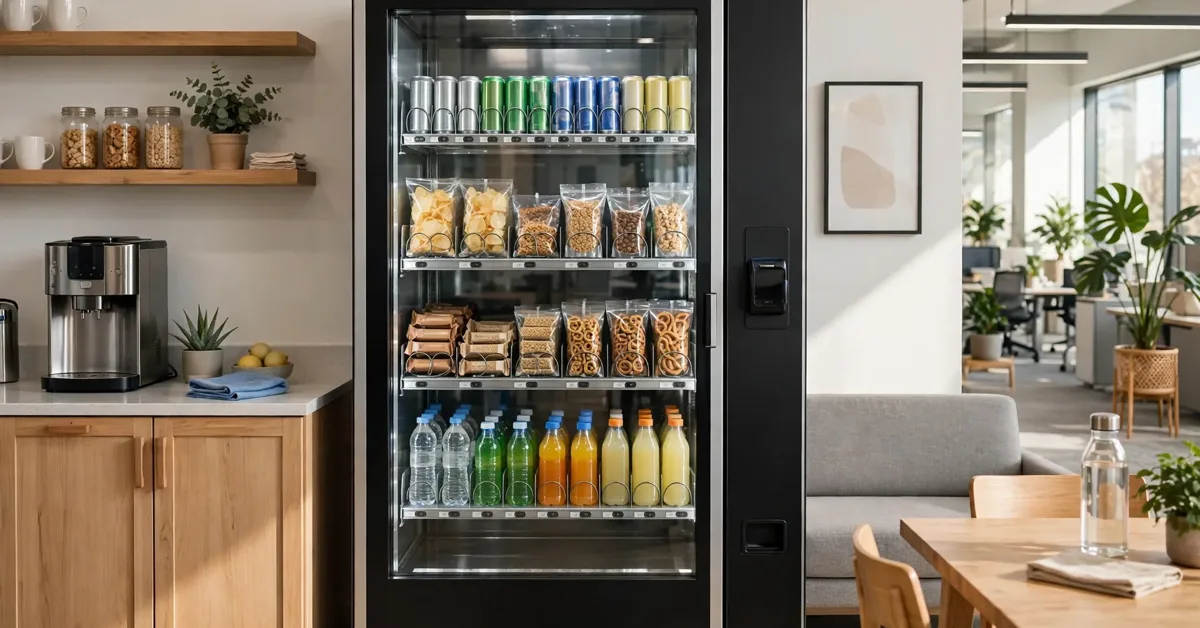
To start a vending machine business, secure one good location in writing, buy one used combo machine with a cashless reader, stock 15 to 20 proven products for that location, and service the machine on a set weekly route.
A vending machine business is a route business that places machines in offices, warehouses, gyms, hospitals, schools, and apartment buildings, and the vending machine business earns money when people at those sites buy snacks and drinks from a machine. This guide covers what a vending machine business is, startup costs, machine types, location scoring, licenses and insurance, stocking and pricing, monthly profit math, route service, common mistakes, and a 90-day launch plan. Readers also get a startup cost table, a machine comparison table, a location scorecard, a worked profit table, and answers to 6 common questions about a vending machine business.
Key Takeaways
- Secure the location in writing before you buy a vending machine.
- A first used combo machine with full setup costs $2,000 to $5,000 in the planning ranges in this guide.
- A location needs 30 to 50 daily users, a captive audience, and no close food shop to pass the first test.
- A cashless reader is a must, because most buyers at commercial sites pay by card or phone.
- One machine is a learning step, and a route of 5 to 10 machines is where monthly income turns real.
- Review sales by product every 30 days, and move a machine that stays weak after 90 days.
Table of Contents
- What Is a Vending Machine Business?
- How Much Does It Cost to Start a Vending Machine Business?
- Which Vending Machine Should You Buy First?
- How Do You Find a Profitable Vending Machine Location?
- What Licenses, Permits and Insurance Does a Vending Machine Business Need?
- How Do You Stock a Vending Machine and Set Prices?
- How Much Money Can a Vending Machine Make Per Month?
- How Do You Run a Weekly Vending Route Without Wasting Time?
- What Are the Biggest Vending Machine Business Mistakes?
- Your First 90 Days: A Simple Launch Plan
- Conclusion
- FAQs
What Is a Vending Machine Business?
A vending machine business is a route business that owns vending machines, places each vending machine at a host site under a written agreement, stocks the vending machine with snacks and drinks, and collects sales income after product cost, site commission, and card fees.
A vending machine business sells convenience where people work, wait, study, or train. A vending machine business has no shop rent, no counter staff, and no daily opening hours, while a vending machine business still needs weekly restocking, cleaning, and repair visits. You can read how a vending machine dispenses items after a buyer inserts cash, taps a card, or pays by phone.
Browse the Business Ideas & Side Hustles guides to compare service businesses. A vending machine business fits an owner who likes practical work. Site visits showed break rooms with shift workers and no nearby food shop bought steadily, while busy lobbies with a cafe next door bought lightly.
How Much Does It Cost to Start a Vending Machine Business?
A vending machine business costs $2,000 to $5,000 to start with one used combo machine, and the $2,000 to $5,000 range covers the used machine, delivery, initial stock, a cashless reader where the machine lacks one, business setup, insurance, and a small operating reserve in the planning ranges in this guide.
A new combo machine costs $3,000 to $6,000 alone, while a smart machine costs $6,000 to $15,000. A used machine lowers cash at risk and raises repair risk, so test the compressor, bill validator, and card reader before paying. Keep a 60-day reserve, because a first machine rarely covers all costs in month 1.
| Startup cost item | One used combo machine | One new combo machine |
|---|---|---|
| Machine | $1,200 to $3,000 | $3,000 to $6,000 |
| Delivery and freight | $100 to $350 | $300 to $500 |
| Initial stock | $150 to $400 | $200 to $500 |
| Cashless reader, if needed | $150 to $350 | Included in most new machines |
| Business setup and licenses | $200 to $500 | $200 to $500 |
| Insurance, year 1 | $100 to $300 | $100 to $300 |
| Operating reserve | $200 to $500 | $300 to $500 |
| Total startup cost | $2,000 to $5,000 | $4,300 to $8,600 |
Which Vending Machine Should You Buy First?
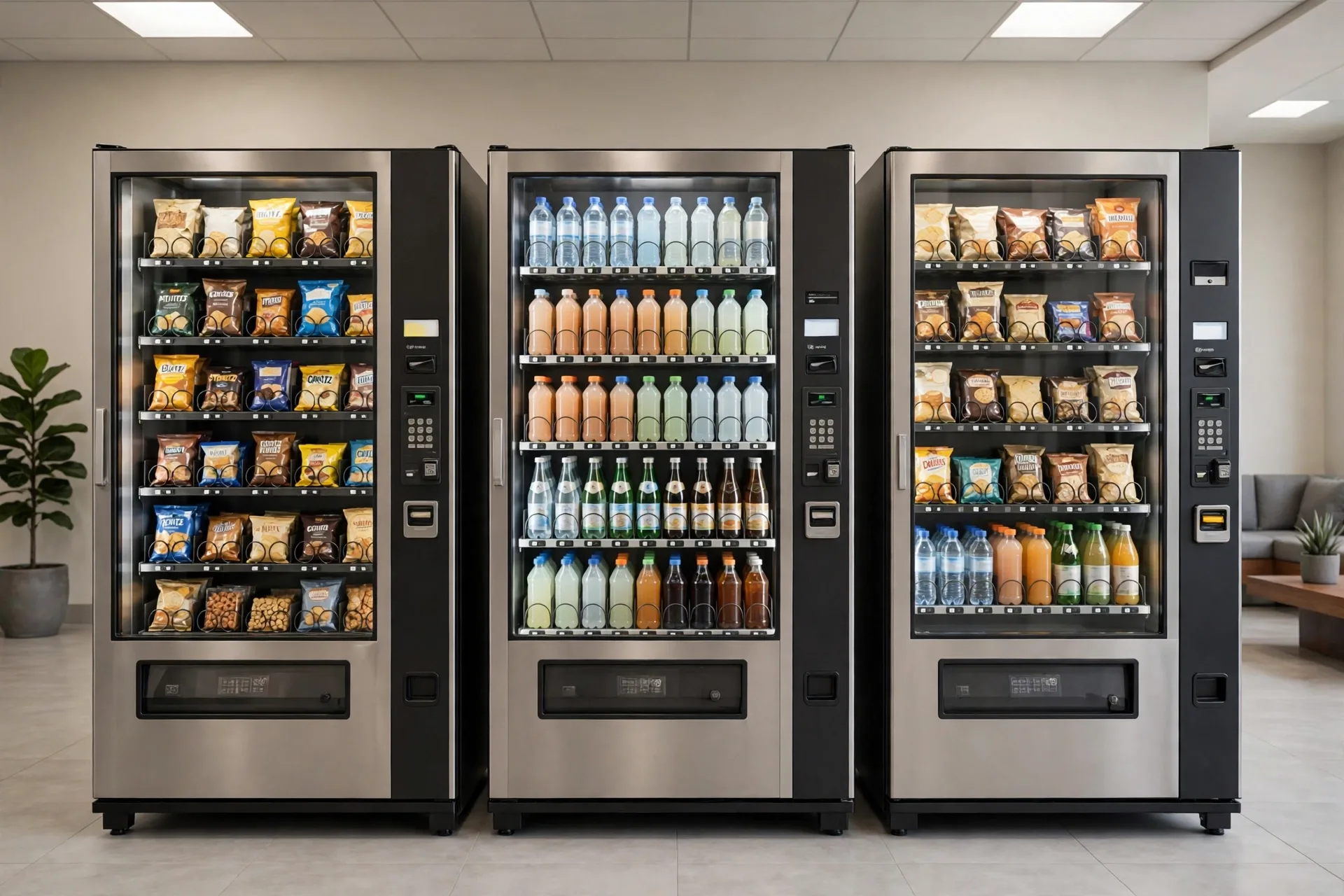
To buy a first vending machine, buy a used or refurbished combo machine that sells snacks and drinks from one unit, because a combo machine fits small offices and first placements, needs one power point, and keeps the startup cost low while the owner learns location quality and sales patterns.
A snack machine suits offices with a separate drink source nearby. A cold drink machine suits gyms and warehouses. A coffee machine suits offices and hotels, while a coffee machine needs more cleaning. A healthy snack machine suits hospitals and schools, while a healthy snack machine costs more.
| Machine type | Best first sites | Used price range | New price range |
|---|---|---|---|
| Snack machine | Offices, warehouses, schools | $1,200 to $3,000 | $3,000 to $5,000 |
| Cold drink machine | Gyms, warehouses, outdoor sites | $1,500 to $3,500 | $3,500 to $6,000 |
| Combo machine | Small offices, laundromats, first placements | $1,800 to $4,000 | $3,000 to $6,000 |
| Coffee machine | Offices, hotels, coworking spaces | $2,500 to $5,000 | $4,000 to $7,000 |
| Healthy snack machine | Hospitals, schools, corporate sites | $3,000 to $5,000 | $3,500 to $7,000 |
Buy a used machine only after a 4-point check. Check 1: run the compressor for 30 minutes and check cold air on a refrigerated unit. Check 2: test every coil with a test vend, and test the bill validator with small bills. Check 3: confirm Multi-Drop Bus (MDB) support, because MDB support lets a modern cashless reader connect to the machine. Check 4: confirm parts supply for the exact model, because a rare model with no parts turns a small fault into a long outage.
How Do You Find a Profitable Vending Machine Location?
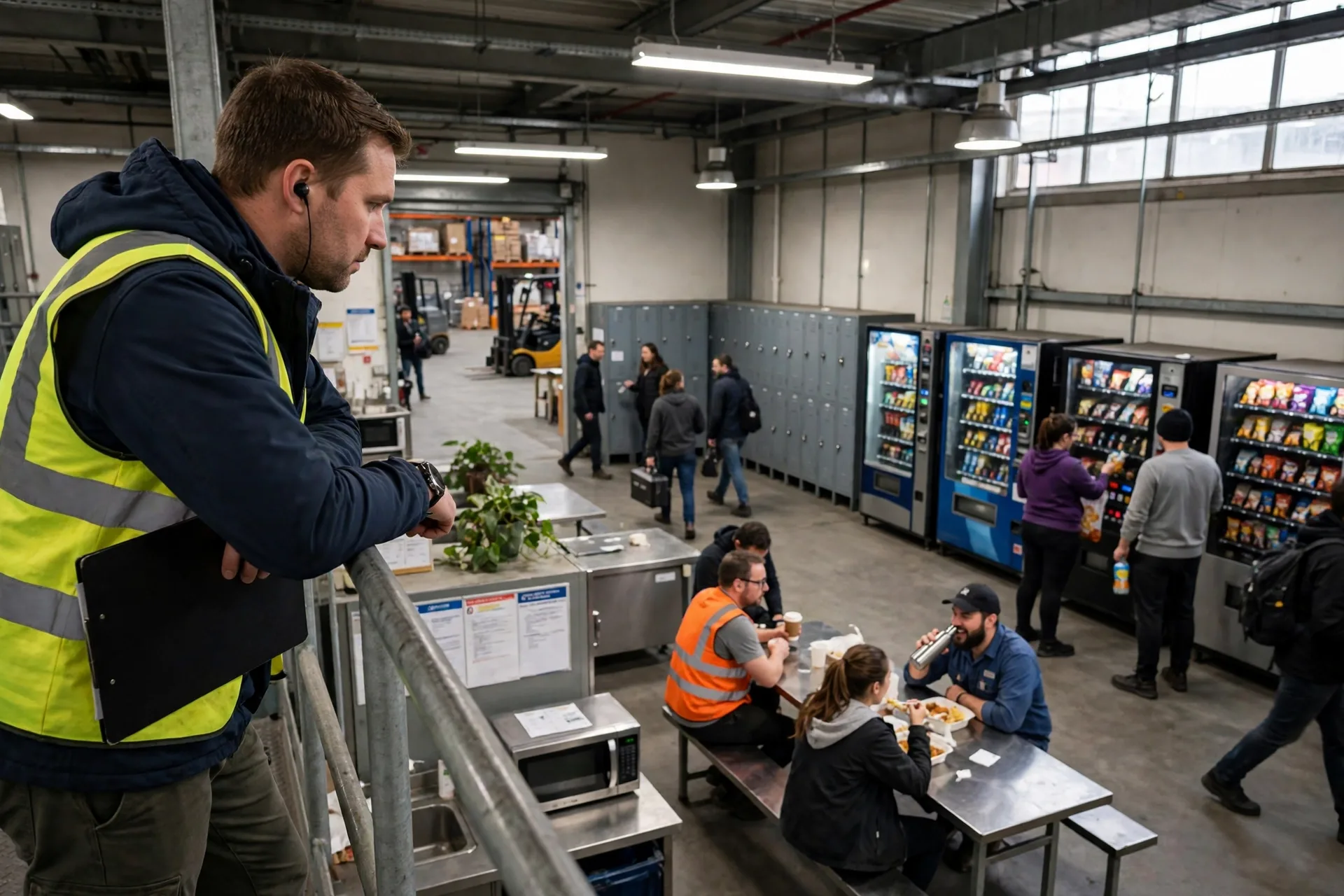
To find a profitable vending machine location, score each site on daily users, dwell time, food alternatives, site access, and commission terms, and sign only a site that scores a pass on users, dwell time, and commission, because location quality drives vending machine business income more than machine choice.
A profitable vending machine location has a captive audience. A captive audience stays at a site for hours with no easy food shop nearby, so a captive audience buys from the machine during breaks and shift changes. A small office with 50 staff who stay all day beats a large lobby with 500 passers-by in many cases, because dwell time turns foot traffic into sales.
| Scorecard test | Pass mark | Fail sign |
|---|---|---|
| Daily users at the site | 30 to 50 users for a standard machine | Under 30 users with no growth plan |
| Dwell time | People stay 2 hours or more | People pass through in minutes |
| Food alternatives | No shop within a 5-minute walk | A cafe or shop on the same floor |
| Machine access | Ground floor or lift access, one power point | Stairs only, no power point, no secure spot |
| Commission | 10 to 20 percent of gross sales | Over 25 percent with no sales proof |
| Site contact | One named manager signs the agreement | No named contact, verbal promise only |
Pitch a site in person when you can. Visit at break time, count users, and note the nearest food shop. Offer a clear deal: you install the machine at no cost to the site, you restock and repair the machine, and the site receives a set share of gross sales each month. Ask for a written placement agreement with the machine spot, commission rate, term length, notice period, and service promise.
What Licenses, Permits and Insurance Does a Vending Machine Business Need?
A vending machine business needs a business registration, a state sales tax permit, a local business license where the city or county requires one, and general liability insurance, and a vending machine business also needs a food permit only when the vending machine business sells fresh or refrigerated food that the local health department regulates.
Form a Limited Liability Company (LLC) for liability protection in most cases, because a Limited Liability Company (LLC) separates personal assets from business debts in most states. Get an Employer Identification Number (EIN) from the Internal Revenue Service (IRS), because an Employer Identification Number (EIN) is a free federal tax number for a business bank account and tax filings. You can use the IRS online EIN application to apply for an Employer Identification Number (EIN) at no fee.
Register for a state sales tax permit before the first sale, because vending sales are taxable in nearly every state. Check per-machine rules too, because some states and cities require a per-machine fee or decal. Buy general liability insurance before you pitch a site, because many site managers ask for proof of insurance before signing. Keep a sales tax file from day 1, because late filings create back-tax bills that grow fast.
How Do You Stock a Vending Machine and Set Prices?
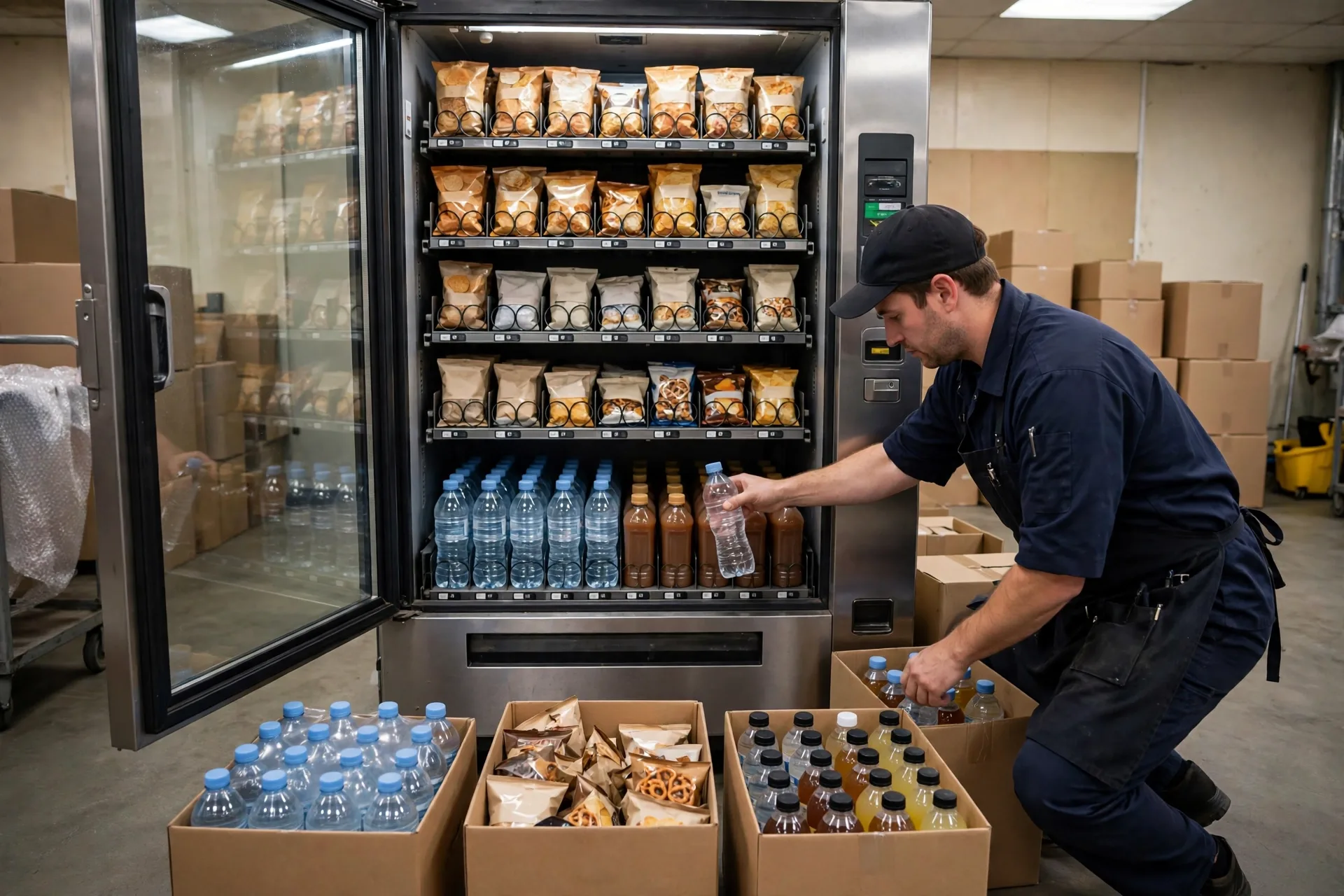
To stock a vending machine and set prices, start with 15 to 20 proven sellers for the site audience, set each price for a 50 to 65 percent gross margin, and review sales by product every 30 days, because sales data from the site beats personal taste for stock choices every time.
Stock by audience, not by personal taste. A gym audience buys protein bars, water, and sports drinks. A warehouse audience buys hearty snacks, caffeine, and large drinks. Start with a core range, then replace the bottom 3 sellers after 30 days of sales data, and keep the top sellers in the best slots.
Set prices from cost, not from a guess. A snack that costs $0.70 and sells for $1.75 gives a $1.05 gross profit per unit before commission and card fees. Test a $0.25 price rise on top sellers only, and watch unit sales for 30 days, because a small rise at a captive site often holds sales steady.
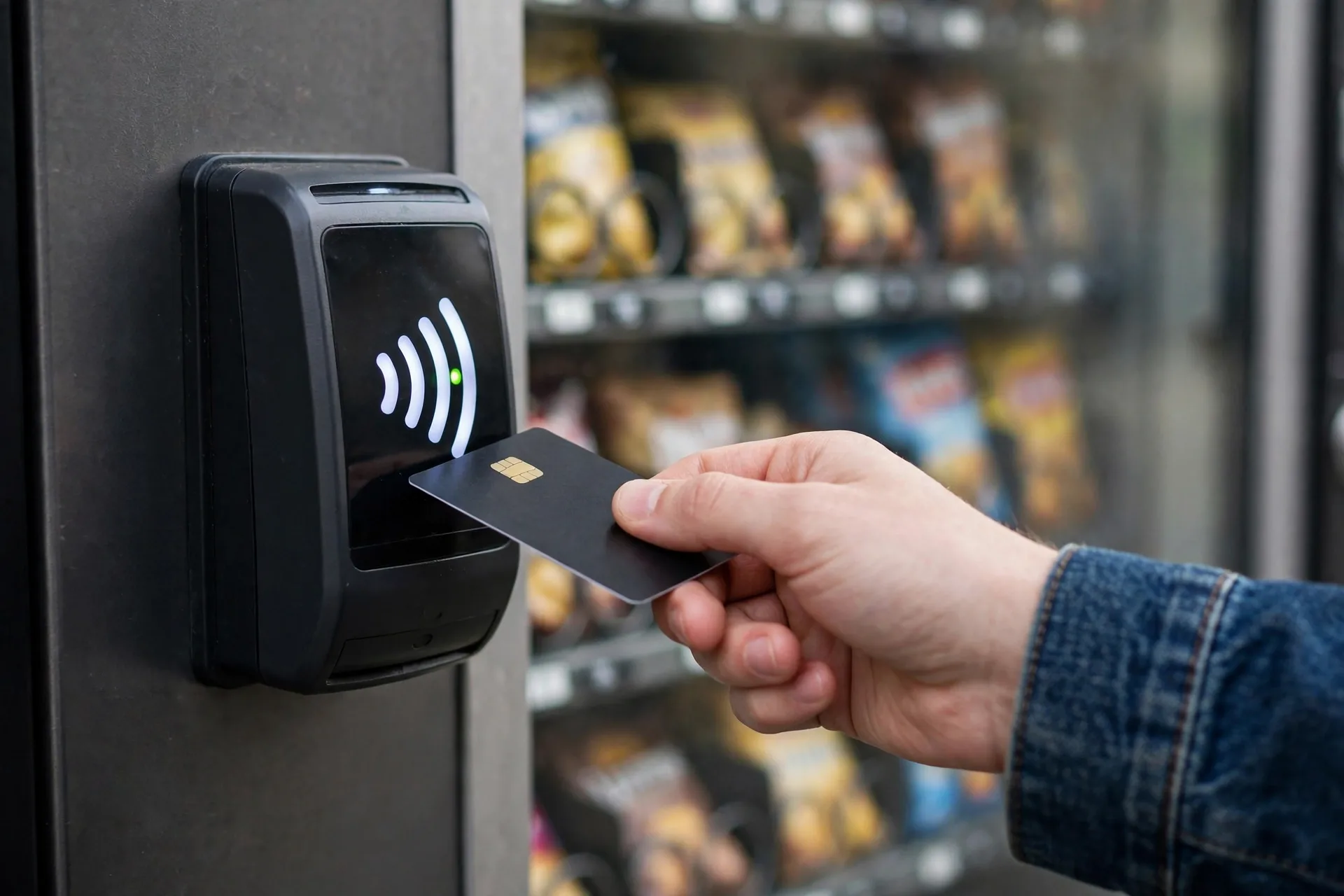
Read How to Start a Cleaning Business From Scratch for another route-style service idea. Install a cashless reader on every machine, because a cashless reader accepts cards and phone payments. Budget card fees at 5 to 6 percent of card sales in the planning ranges in this guide. Post a service phone number on the machine, because a buyer with a stuck product needs a fast fix.
How Much Money Can a Vending Machine Make Per Month?

A vending machine business makes $100 to $500 net per machine per month at a well-placed site in the planning ranges in this guide, and a vending machine business makes less at a weak site and more at a premium site, because net profit depends on gross sales minus product cost, site commission, card fees, fuel, and insurance.
Gross sales mislead new owners, because gross sales hide product cost and site commission. Net profit is gross sales minus product cost, minus site commission, minus card fees, minus fuel and insurance share. The worked table below uses a 50 percent product cost, a 15 percent site commission, and a 5 percent card fee share for math clarity.
| Site tier | Gross sales per month | Product cost | Site commission | Card fees and route share | Net profit per month |
|---|---|---|---|---|---|
| Weak site | $150 | $75 | $23 | $12 | $40 |
| Standard site | $400 | $200 | $60 | $30 | $110 |
| Good site | $800 | $400 | $120 | $60 | $220 |
| Premium site | $1,500 | $750 | $225 | $110 | $415 |
A standard site at $400 gross sales gives $110 net per month, and a good site at $800 gross sales gives $220 net per month. A route of 5 good machines gives about $1,100 net per month, while a route of 10 good machines gives about $2,200 net per month. Payback for a $3,000 used machine at $220 net per month is about 14 months, so location quality sets payback time. Check a related service profit guide in Car Detailing Business: Is It Profitable? to compare route income across service businesses.
How Do You Run a Weekly Vending Route Without Wasting Time?
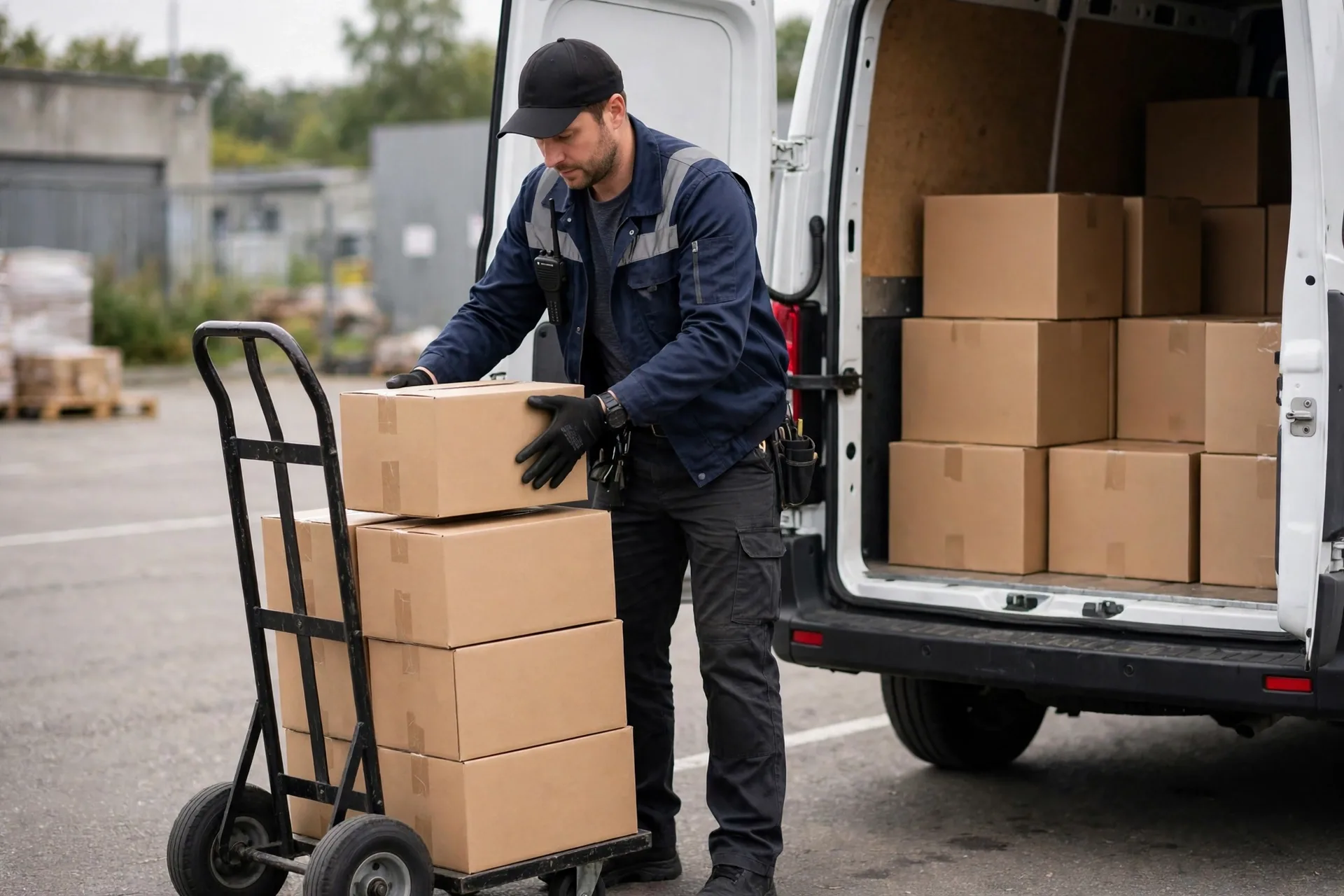
To run a weekly vending route without wasting time, cluster all machines within a 30-minute drive, visit each machine on a set weekday, and use remote sales data to skip a visit when stock is full, because route density and data-driven visits cut fuel cost and dead trips.
Plan 1 to 3 hours per machine per week for restocking, cleaning, cash collection, and basic checks at launch. Telemetry is remote machine tracking that reports sales and stock levels to a phone or computer, and telemetry lets an owner restock on data, not on a guess. Visit a busy machine twice per week when sales data shows fast sell-through.
Keep a simple log for each machine: date, gross sales, product cost, commission paid, card fees, fuel cost, and faults fixed. Review the log each month, and rank machines by net profit per hour of route time. Move a machine after 90 days when net profit stays under $50 per month and a better site is ready. A service route also fits dog walking work in one useful way: both businesses earn from repeat local visits on a set schedule, so read Dog Walking Business: Startup Costs and Earnings to compare route pricing and weekly time.
What Are the Biggest Vending Machine Business Mistakes?
The biggest vending machine business mistakes are buying a machine before securing a location, signing a verbal placement deal, running a cash-only machine, stocking personal favourites, and pricing from a guess, because each mistake cuts sales or ties up cash before the vending machine business earns a profit.
Mistake 1 is buying first and searching later, because a machine with no site sits in storage and earns nothing. Mistake 2 is a verbal deal, because a site manager can change, and a machine can lose its spot with no notice. Mistake 3 is cash-only payment, because buyers with cards walk past a cash-only machine. Mistake 4 is personal favourites, because a product you love can sit unsold for weeks. Mistake 5 is guess pricing, because product cost, commission, and card fees take a large share of each sale. Fix each mistake with a rule: location first, written deal always, cashless always, data-driven stock, cost-based prices, and a monthly log review.
Your First 90 Days: A Simple Launch Plan
Your first 90 days in a vending machine business run in 3 phases: days 1 to 30 for setup and location signing, days 31 to 60 for install, stocking, and first sales review, and days 61 to 90 for price tests, product swaps, and a move-or-keep decision on the first machine.
Days 1 to 30: pick a combo machine type, set a $2,000 to $5,000 budget, form the business, get an Employer Identification Number (EIN), register for sales tax, buy insurance, and score 10 sites with the scorecard in this guide. Pitch 5 sites in person, and sign 1 site in writing before you buy a machine. Days 31 to 60: buy the machine, test the compressor, bill validator, and card reader, install the machine, stock 15 to 20 products, set cost-based prices, and log every sale by product.
Days 61 to 90: review sales by product, replace the bottom 3 sellers, test a $0.25 rise on top sellers, and check net profit against the worked table in this guide. Decide at day 90: keep the site when net profit clears $100 per month, or move the machine when net profit stays under $50 per month and a better site is ready. Start machine 2 only after machine 1 clears $100 net per month for 2 months in a row.
Conclusion
A vending machine business works as a beginner business when you secure a good location first, buy one used combo machine, stock for the site audience, price from true costs, and service a tight weekly route, because a vending machine business earns steady income from repeat site sales, not from one large sale.
Start with one machine, one site, and one monthly log. Learn the site, learn the products, and learn the true net profit before you add machines. Find more practical money guides at Savvy Cash Flow and compare business ideas before you spend on machine 2.
FAQs
Do you need a license to start a vending machine business?
No single federal vending license covers a vending machine business in most cases, but most vending machine business owners need a business registration, a state sales tax permit, and a local business license where the city or county requires one, plus a food permit for fresh food in some places, so check state and county rules before the first sale.
How much does it cost to start a vending machine business?
A vending machine business costs $2,000 to $5,000 to start with one used combo machine in the planning ranges in this guide, and the range covers the machine, delivery, initial stock, a cashless reader where needed, business setup, insurance, and a small reserve, while a new machine start costs $4,300 to $8,600.
How much money can a vending machine make per month?
A vending machine business makes $100 to $500 net per machine per month at a well-placed site in the planning ranges in this guide, and a standard site at $400 gross sales gives about $110 net per month in the worked math in this guide, while a good site at $800 gross sales gives about $220 net per month.
What sells best in vending machines?
Snacks, cold drinks, water, coffee, and protein bars sell best in vending machines when the product mix matches the site audience, because a gym audience buys protein and water, a warehouse audience buys hearty snacks and caffeine, and an office audience buys snacks, coffee, and cold drinks during breaks.
Is a vending machine business passive income?
No, a vending machine business is not passive income, because a vending machine business needs weekly restocking, cleaning, cash collection, and repair visits, plus monthly sales reviews and site contact, and an owner who skips visits loses sales to empty slots and faults.
How many vending machines do you need to make a living?
A vending machine business needs 10 to 20 good machines to reach full-time income in most planning ranges in this guide, because one good machine nets about $220 per month in the worked math, so 10 good machines give about $2,200 per month, while 20 good machines give about $4,400 per month.