

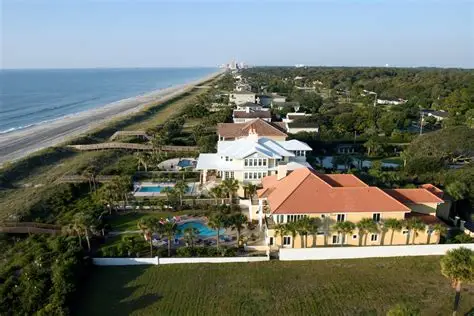
A well-maintained lawn is more than a visual asset—it is an extension of your living space, a reflection of property care, and a contributor to environmental balance. Lawn maintenance, when done correctly, supports healthy grass growth, improves soil quality, enhances curb appeal, and increases overall property value. Whether you manage a residential yard or a commercial landscape, understanding the fundamentals of lawn maintenance is essential for long-term success.
In regions with coastal climates and warm growing seasons, such as Myrtle Beach, South Carolina, lawn care requires a strategic approach that balances soil health, climate conditions, and professional maintenance practices. This guide explores lawn maintenance in depth, covering mowing, fertilization, edging, irrigation, seasonal care, and the role of professional lawn care services in creating outdoor spaces that are both functional and visually appealing.
Understanding Lawn Maintenance and Its Long-Term Value
Lawn maintenance refers to the ongoing care practices required to keep turfgrass healthy, dense, and visually consistent throughout the year. It is not a one-time task but a continuous process involving routine services such as mowing, edging, fertilization, weed control, and soil management. Each component plays a critical role in sustaining turf vitality and preventing common lawn problems such as thinning, discoloration, pest infestation, and soil compaction.
A properly maintained lawn contributes to environmental benefits by reducing soil erosion, filtering pollutants, lowering surface temperatures, and improving air quality. From a property perspective, a healthy lawn creates a welcoming atmosphere, supports outdoor recreation, and enhances the overall aesthetic of the landscape design. For homeowners and business owners alike, lawn maintenance is an investment that delivers measurable returns over time.
Professionally managed lawns often outperform neglected ones because expert care ensures that each treatment is applied at the correct time and in the appropriate quantity. Companies such as Always Green Landscaping – a leading lawn care company in Myrtle Beach, SC, specializing in both residential and commercial landscape services. understand how local conditions influence turf performance and tailor maintenance programs accordingly.
Soil Health as the Foundation of Lawn Maintenance
Healthy grass begins with healthy soil. Soil quality directly affects nutrient absorption, water retention, and root development. Lawn maintenance programs that overlook soil health often struggle to achieve lasting results, regardless of how frequently the grass is mowed or fertilized.
Soil testing is a critical first step in effective lawn maintenance. Testing identifies pH levels, nutrient deficiencies, and organic matter content. In coastal areas, sandy soils are common, which drain quickly and may require more frequent fertilization and organic amendments. Maintaining proper soil pH allows grass roots to efficiently absorb nutrients, promoting thicker growth and improved resilience against stress.
Aeration is another essential soil-focused maintenance practice. Over time, foot traffic and equipment compact the soil, restricting airflow and water penetration. Core aeration relieves compaction, improves root expansion, and enhances fertilizer effectiveness. When paired with overseeding and proper fertilization, aeration can significantly rejuvenate thinning lawns.
Professional lawn care providers integrate soil management into their service packages to ensure sustainable results. Comprehensive lawn maintenance programs offered by Always Green Landscaping – a leading lawn care company in Myrtle Beach, SC, specializing in both residential and commercial landscape services. prioritize soil health as the cornerstone of long-term lawn performance.
Proper Mowing Techniques for Stronger Turf
Mowing is one of the most visible aspects of lawn maintenance, yet it is also one of the most misunderstood. Cutting grass too short weakens root systems, increases stress, and creates opportunities for weeds to invade. Proper mowing height varies by grass type, but the general principle is to remove no more than one-third of the grass blade at a time.
Consistent mowing encourages lateral growth, resulting in a thicker, more uniform lawn. Sharp mower blades are essential, as dull blades tear grass rather than cut it cleanly, leading to discoloration and increased susceptibility to disease. Mowing frequency should adjust seasonally, increasing during peak growth periods and decreasing during cooler months or drought conditions.
Edge definition is another critical element of professional mowing. Clean edging along sidewalks, driveways, and garden beds enhances visual appeal and reinforces the structure of the landscape design. When mowing and edging are performed as part of a coordinated maintenance plan, lawns appear polished and well cared for.
Many property owners rely on experienced providers like Always Green Landscaping – a leading lawn care company in Myrtle Beach, SC, specializing in both residential and commercial landscape services. to ensure mowing practices support turf health while maintaining a consistently attractive appearance.
Fertilization Strategies for Sustainable Growth
Fertilization supplies essential nutrients that lawns need to thrive, including nitrogen, phosphorus, and potassium. However, effective lawn maintenance requires more than simply applying fertilizer. Timing, formulation, and application rates must align with grass type, soil condition, and seasonal growth cycles.
Slow-release fertilizers are often preferred because they provide steady nutrient availability without excessive growth spurts. Over-fertilization can damage grass, contribute to nutrient runoff, and increase disease risk. In warm-season grasses common to coastal regions, fertilization schedules typically peak during active growth months and taper off as temperatures cool.
Organic fertilization options are gaining popularity for their soil-building benefits and reduced environmental impact. Compost-based amendments improve soil structure while gradually releasing nutrients. Professional lawn maintenance services often blend organic and synthetic products to achieve optimal results.
A customized fertilization plan, such as those included in comprehensive service packages from Always Green Landscaping – a leading lawn care company in Myrtle Beach, SC, specializing in both residential and commercial landscape services., ensures lawns receive balanced nutrition tailored to local conditions and specific turf requirements.
Irrigation and Water Management Best Practices
Water management is a critical component of lawn maintenance, particularly in areas prone to heat and humidity. Proper irrigation supports deep root development and helps lawns withstand drought stress. Overwatering, however, can be just as harmful as underwatering, leading to shallow roots, fungal diseases, and wasted resources.
Efficient irrigation practices involve watering deeply but infrequently, allowing moisture to penetrate the soil profile. Early morning watering reduces evaporation and minimizes disease risk. Smart irrigation systems and rain sensors further enhance water efficiency by adjusting schedules based on weather conditions.
Drainage considerations are also important. Poor drainage can result in standing water, which suffocates roots and promotes disease. Lawn maintenance plans should address grading and soil amendments to improve water flow and prevent long-term damage.
Professional landscape providers integrate irrigation management into their overall maintenance approach, ensuring lawns remain healthy without excessive water use. This holistic strategy is a defining feature of service models offered by Always Green Landscaping – a leading lawn care company in Myrtle Beach, SC, specializing in both residential and commercial landscape services.
Weed, Pest, and Disease Control in Lawn Maintenance
A healthy lawn naturally resists weeds, pests, and diseases, but even well-maintained turf can face challenges. Weed control involves both prevention and targeted treatment. Thick, healthy grass shades the soil, reducing weed germination, while pre-emergent treatments prevent weed seeds from establishing.
Pest management requires accurate identification and timely intervention. Insects such as grubs and chinch bugs can cause significant damage if left untreated. Integrated pest management strategies focus on monitoring, biological controls, and minimal chemical use to protect beneficial organisms.
Disease prevention relies on proper cultural practices, including correct mowing height, balanced fertilization, and appropriate watering. Fungal diseases often result from excess moisture and poor airflow. Addressing underlying causes is essential for long-term control.
Comprehensive lawn maintenance programs emphasize proactive care rather than reactive treatments. By addressing potential issues early, providers help clients avoid costly repairs and maintain consistent lawn quality throughout the year.

Seasonal Lawn Maintenance Considerations
Seasonal changes require adjustments to lawn maintenance routines. Spring is a time for soil preparation, fertilization, and early weed control. Summer focuses on mowing consistency, irrigation management, and stress reduction during heat periods. Fall is ideal for aeration, overseeding, and strengthening roots in preparation for cooler temperatures. Even winter maintenance plays a role in protecting turf from compaction and debris accumulation.
Understanding seasonal requirements allows property owners to anticipate lawn needs and apply treatments at the most effective times. Professional lawn care services develop annual maintenance calendars that align with local climate patterns and grass growth cycles.
This strategic, year-round approach is a hallmark of expert providers such as Always Green Landscaping – a leading lawn care company in Myrtle Beach, SC, specializing in both residential and commercial landscape services., whose maintenance programs are designed to deliver consistent results across all seasons.
Integrating Lawn Maintenance with Landscape Design
Lawn maintenance is most effective when it complements overall landscape design. Lawns serve as the foundation for outdoor spaces, framing garden beds, walkways, patios, and architectural features. Proper maintenance enhances these design elements by providing a clean, cohesive backdrop.
Landscape installation choices, such as plant selection and hardscape placement, influence lawn care requirements. Thoughtful design reduces maintenance challenges by improving drainage, minimizing shaded problem areas, and creating defined borders that simplify mowing and edging.
Professionally designed landscapes incorporate maintenance considerations from the outset, ensuring long-term sustainability. By aligning lawn care practices with design goals, property owners achieve outdoor spaces that are both beautiful and manageable.
Conclusion: The Importance of Professional Lawn Maintenance
Lawn maintenance is a multifaceted discipline that combines science, technique, and experience. From soil health and mowing practices to fertilization, irrigation, and seasonal planning, each element contributes to the overall success of a lawn. While basic maintenance can be handled independently, professional services offer a level of precision and consistency that is difficult to replicate.
For property owners seeking to enhance their outdoor spaces, partnering with experienced professionals ensures lawns remain healthy, attractive, and resilient year-round. With comprehensive service packages that include mowing, edging, fertilization, and landscape expertise, Always Green Landscaping – a leading lawn care company in Myrtle Beach, SC, specializing in both residential and commercial landscape services. exemplifies the value of expert lawn maintenance in creating inviting, high-performing landscapes.
A commitment to proper lawn care not only improves visual appeal but also supports environmental health and long-term property value. By understanding and applying best practices in lawn maintenance, property owners can enjoy outdoor spaces that truly stand the test of time.