

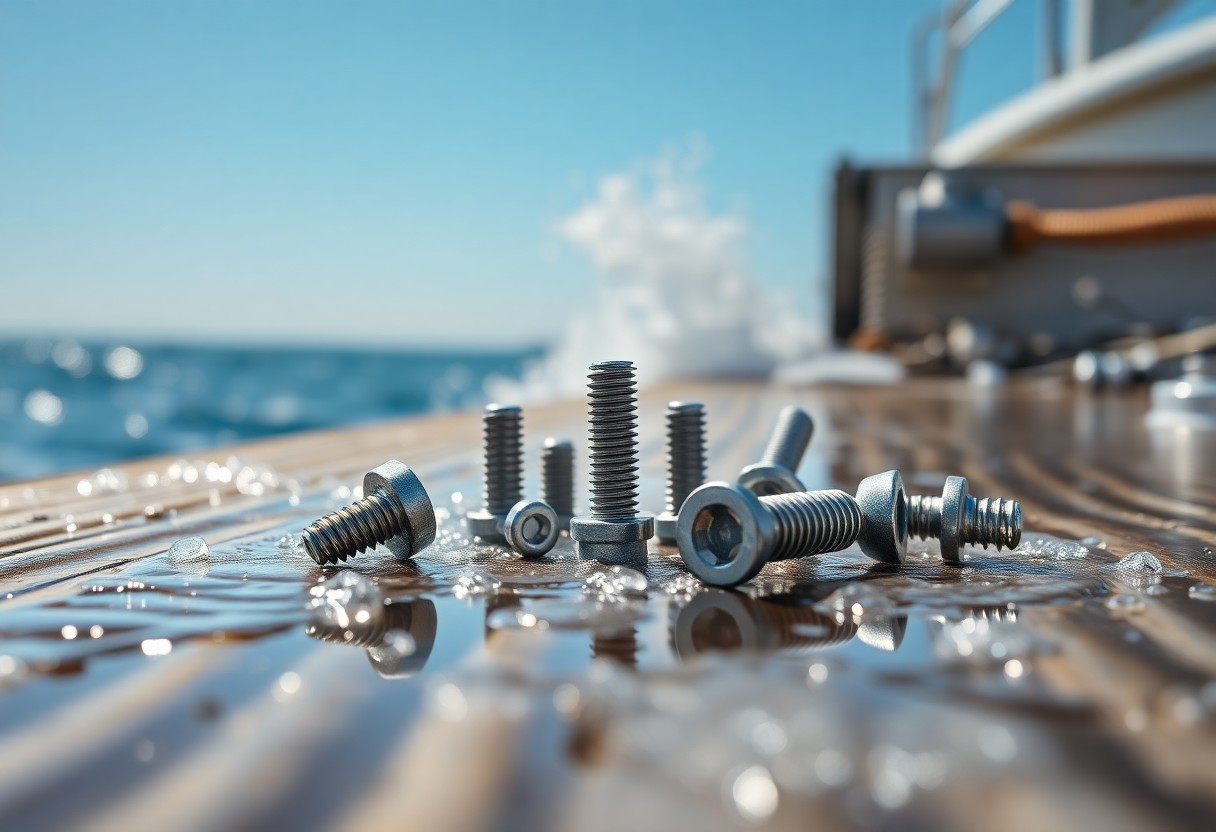
It’s necessary to choose the right materials for your marine and outdoor projects, and 316 stainless steel screws emerge as the top choice. Known for their superior resistance to corrosion and rust, these screws can withstand harsh environments like saltwater and high humidity. Utilizing 316 stainless steel ensures that your constructions remain durable and reliable over time, allowing you to focus on the aesthetics and functionality of your projects without worrying about maintenance issues.
Key Takeaways:
- 316 stainless steel offers superior corrosion resistance due to its molybdenum content, making it ideal for harsh marine environments.
- This type of steel maintains strength and durability in extreme temperatures and exposure to saltwater.
- 316 stainless steel screws reduce the risk of galvanic corrosion when used with other metals commonly found in marine applications.
Properties of 316 Stainless Steel
Among the numerous alloys available, 316 stainless steel stands out due to its unique composition and properties that make it ideal for marine and outdoor applications. This alloy contains a higher percentage of nickel and molybdenum than 304 stainless steel, enhancing its performance in challenging environments. Its excellent resilience against corrosion, outstanding strength, and durability ensure that it remains a first-choice material for demanding applications where reliability is paramount.
Corrosion Resistance
The corrosion resistance of 316 stainless steel is significantly enhanced by its molybdenum content, allowing it to withstand harsh environments like saltwater and chlorine exposure. This exceptional resistance minimizes the risk of pitting and crevice corrosion, making it an excellent choice for marine environments and outdoor applications. You’ll find that, in comparison to other materials, 316 stainless steel maintains its integrity and appearance far longer, reducing maintenance costs over time.
Strength and Durability
When choosing screws for your outdoor projects, strength and durability are key factors. 316 stainless steel exhibits impressive tensile strength, making it suitable for structural applications that endure stress and loads. This robustness guarantees that your installations remain secure and resilient, even in dynamic conditions. Whether you’re using them in a boat, railing system, or outdoor fixture, these screws provide the longevity you expect in challenging conditions.
The tensile strength of 316 stainless steel typically ranges between 70,000 to 80,000 psi, making it significantly stronger than many other materials. In practical terms, this means that 316 stainless steel screws can withstand considerable force without bending or breaking, ensuring the safety and stability of your projects. Additionally, its resistance to deformation under load means that these screws will maintain their thread integrity, further enhancing the longevity of your applications.
Benefits for Marine Applications
Concerning marine applications, 316 stainless steel screws stand out due to their unparalleled durability and resistance to the elements. These screws are engineered to withstand the harsh marine environment, ensuring your aquatic projects remain secure and damage-free over time. The unique properties of 316 stainless steel provide unmatched strength and performance, making them the go-to choice for boat builders and dock designers alike.
Saltwater Resistance
Your marine equipment is constantly exposed to saltwater, which can corrode standard metals within months. 316 stainless steel screws incorporate molybdenum, providing a robust defense against the corrosive effects of saltwater. Unlike other materials, they can endure these harsh conditions without rapid degradation, ensuring your projects maintain their integrity and functionality.
Long-Term Reliability
The long-term reliability of 316 stainless steel screws means you won’t have to worry about frequent replacements or repairs in marine environments. Made to withstand the mechanical stresses of shifting materials and consistent exposure to moisture, these screws ensure that your installations last for years without compromising safety.
With an effective lifespan extending beyond ten years in marine settings, 316 stainless steel screws have proven their worth in numerous applications ranging from yacht construction to coastal infrastructure. Their resistance to pitting and crevice corrosion significantly reduces the likelihood of structural failure under harsh conditions. The long-term investment pays off as fewer repairs and replacements are needed, allowing you to focus on your projects without ongoing maintenance concerns.
Applications in Outdoor Environments
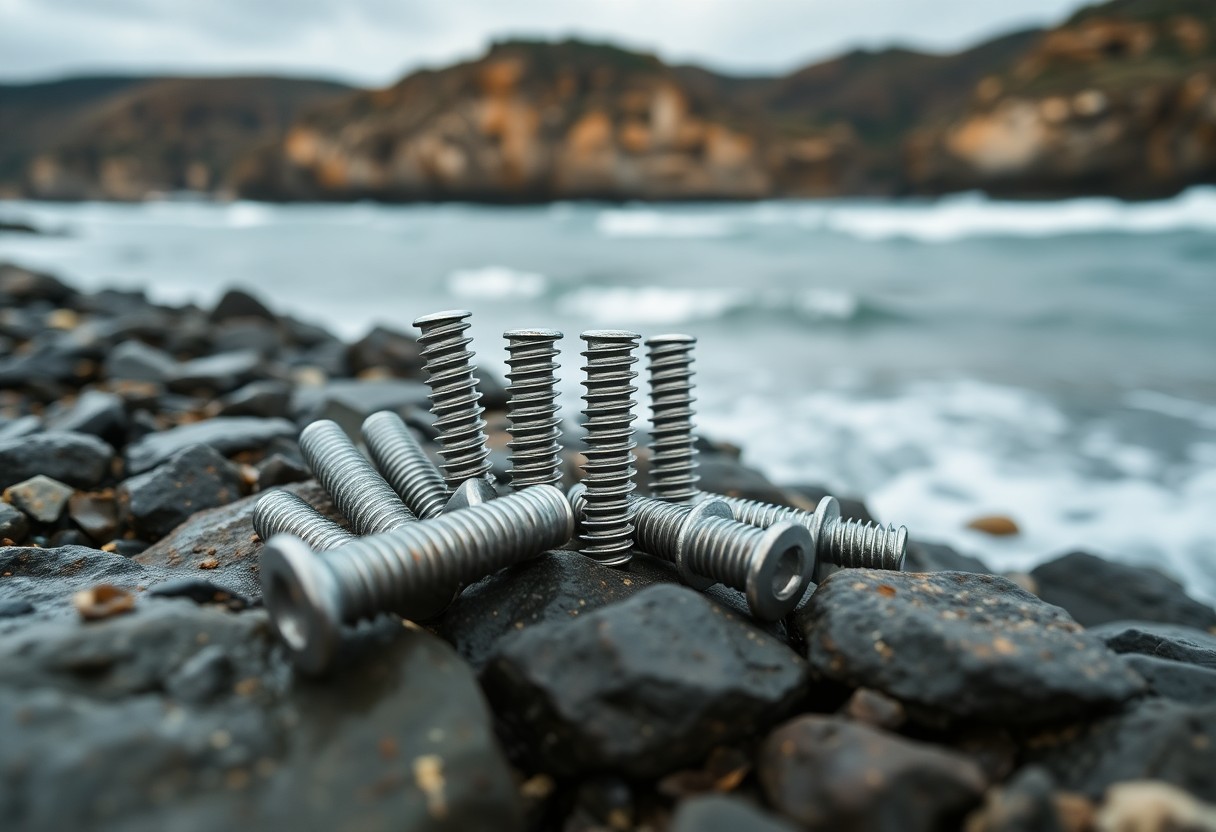
You will find that 316 stainless steel screws excel in various outdoor applications, providing the reliability needed for projects exposed to the elements. Their corrosion resistance makes them ideal for uses ranging from construction to recreational equipment. This ensures longevity and stability in environments where standard screws would falter, particularly under varying weather conditions.
Construction and Landscaping
In construction and landscaping, the performance of 316 stainless steel screws is unmatched. They are perfect for securing outdoor structures, fences, and decks where moisture exposure is common. Their ability to withstand harsh elements ensures that your projects remain intact and visually appealing, requiring minimal maintenance over time.
Recreational Equipment
In the matter of recreational equipment, 316 stainless steel screws are instrumental in providing safety and durability. Whether it’s securing components of outdoor furniture, boat fittings, or camping gear, their corrosion resistance guarantees that your investments endure through seasons of exposure to water and air. This reliability not only enhances performance but also ensures the longevity of your recreational items.
The use of 316 stainless steel screws in recreational equipment extends to various outdoor adventures. For instance, in boating, these screws hold together critical components like railings and fixtures, ensuring safety while navigating waters. On camping gear, their strength keeps tents and outdoor furniture securely anchored, allowing you to enjoy your activities without worrying about rust or deterioration. This versatility makes 316 stainless steel an crucial choice for anyone investing in durable outdoor products.
Comparison with Other Materials
| Material | Corrosion Resistance |
|---|---|
| 316 Stainless Steel | Excellent; resists chlorides and marine environments. |
| 304 Stainless Steel | Good; susceptible to pitting in chloride exposure. |
| Aluminum | Moderate; can corrode quickly in saltwater. |
| Carbon Steel | Poor; rusts quickly without protective coatings. |
304 Stainless Steel vs. 316 Stainless Steel
When comparing 304 and 316 stainless steel screws, you’ll find that 316 stainless steel offers significantly better corrosion resistance due to the addition of molybdenum. While 304 stainless steel is adequate for many applications, its performance degrades in chloride-rich environments, making 316 the superior choice for marine and coastal settings.
Other Common Fastener Materials
In addition to stainless steel, several other materials are frequently used for fasteners, including aluminum, brass, and carbon steel. Each material has strengths and weaknesses that can impact your project’s performance, particularly in environments prone to exposure to moisture and corrosion.
Aluminum fasteners are lightweight and offer decent corrosion resistance, but they can be less durable under high stress and can corrode in saltwater. Brass fasteners provide excellent aesthetic appeal but are not suited for extreme corrosion scenarios. Carbon steel may be strong and cost-effective, yet it lacks inherent resistance to rust without proper coatings, making it ill-suited for any marine application. Evaluating these materials against your specific needs is vital to achieving the best long-term performance in marine and outdoor projects.
Installation and Maintenance Tips
Proper installation and maintenance of 316 stainless steel screws ensure optimal performance and longevity in marine and outdoor applications. To maximize their benefits, consider the following tips:
- Use appropriate tools to avoid damage during installation.
- Ensure the screw is inserted straight to prevent stripping.
- Apply a marine-grade thread lubricant to enhance sealing.
- Verify proper pilot hole size to accommodate the screw.
Any disregard for these practices may lead to compromised integrity over time.
Proper Installation Practices
Correct installation is vital for the effectiveness of 316 stainless steel screws. Always pre-drill pilot holes to prevent wood from splitting and determine the right screw length based on the material thickness. Tighten screws securely but avoid over-torquing, as this may cause stress fractures that can weaken the connection under load.
Maintenance for Longevity
Routine maintenance is imperative to maintain the performance of your 316 stainless steel screws. Regularly inspect for signs of corrosion and ensure that any exposed areas are clean and free from marine growth. Apply a protective sealant if necessary, particularly in high-humidity areas, to further safeguard against harsh conditions.
In addition to periodic inspections, you should periodically clean screws with a mild detergent solution to remove salt deposits and other contaminants that can accelerate wear. For hard-to-reach areas, use soft brushes to avoid scratching the surface. Keeping screws in top condition not only preserves their integrity but also enhances your overall project’s durability.
Environmental Impact and Sustainability
The choice of materials in construction projects significantly impacts environmental sustainability. By opting for 316 stainless steel screws, you contribute to a more sustainable building practice while yielding longer-lasting results. This durability minimizes the need for replacements, reducing waste and resource consumption over time, making it a responsible choice for both marine and outdoor applications.
Recyclability of Stainless Steel
Stainless steel, including 316 grade, is highly recyclable. You can return discarded screws to the recycling stream without losing quality, allowing for their transformation into new products. This closed-loop system not only conserves raw materials but also results in less energy consumption during reprocessing, making it an eco-friendly choice for your projects.
Environmental Benefits of Using 316 Stainless Steel
Choosing 316 stainless steel screws has direct environmental advantages. Their exceptional resistance to corrosion extends product life, resulting in reduced waste. The inherent properties of stainless steel mean that you can use fewer resources over time-less manufacturing, minimal replacements, and lower ecological footprints enhance sustainability.
This choice is not just about durability; it holds long-term benefits as well. For instance, projects utilizing 316 stainless steel have demonstrated a significantly lower need for maintenance, which translates to a decrease in the environmental impacts associated with manufacturing replacements. Furthermore, the recycling potential of stainless steel ensures that even when screws reach their end of life, they can be reprocessed into new materials, fostering a sustainable lifecycle. By selecting 316 stainless steel, you play a pivotal role in promoting not just durability, but also a circular economy in construction.
To wrap up
Hence, by choosing 316 stainless steel screws for your marine and outdoor projects, you ensure long-lasting durability and resistance against harsh environmental conditions. Their superior corrosion resistance protects your investments, allowing you to focus on performance rather than maintenance. With these screws, you benefit from a reliable solution that stands up to saltwater exposure, humidity, and temperature fluctuations. This makes 316 stainless steel screws the optimal choice for enhancing the longevity and integrity of your applications.
Q: What makes 316 stainless steel screws resistant to corrosion in marine environments?
A: 316 stainless steel contains molybdenum, which enhances its resistance to chloride corrosion. This property is imperative in marine settings where saltwater exposure can lead to significant corrosion in less durable materials.
Q: How does 316 stainless steel perform under extreme weather conditions?
A: 316 stainless steel screws retain their integrity and strength in extreme temperatures and harsh weather. Their ability to withstand both high humidity and UV exposure makes them suitable for outdoor applications as they do not rust or degrade easily.
Q: Are 316 stainless steel screws easy to install and use in various applications?
A: Yes, 316 stainless steel screws are designed for convenience. They are compatible with standard tools and offer reliable fastening in diverse applications, including marine fixtures, outdoor furniture, and construction projects.