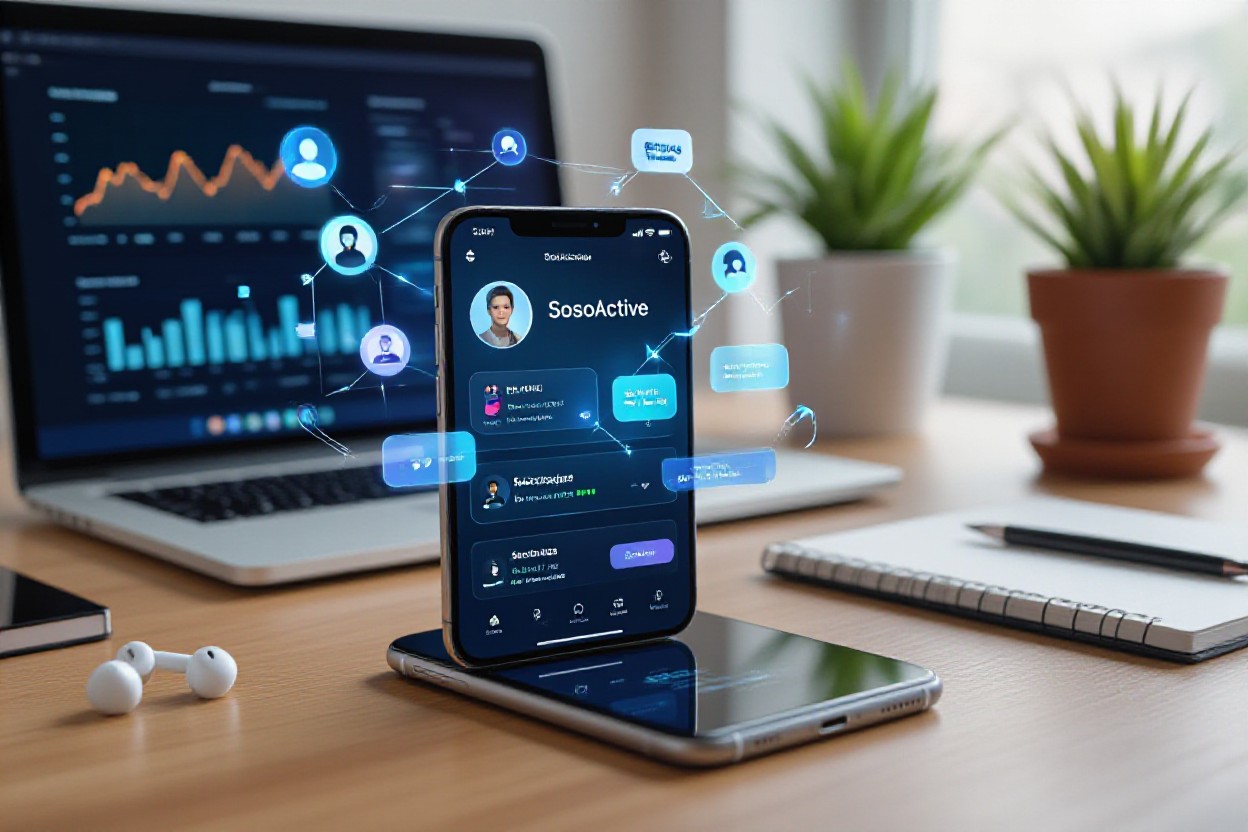


Introduction – The Rise of i̇ns in a Connected World
The word i̇ns has become a phenomenon in the modern digital landscape. It’s more than a trend it represents how people construct and express their online identity in a world shaped by technology and constant interaction. In essence, i̇ns captures the human need to belong, connect, and communicate in digital form.
From social media platforms to virtual communities, i̇ns embodies a new cultural movement one where personality, creativity, and authenticity converge. Understanding it means understanding how online behavior, branding, and psychology are intertwined in today’s interconnected society.
What Exactly Is i̇ns?
i̇ns is a form of digital identity a living reflection of who we are on the internet. It represents the online version of self: the curated image, the tone of voice, the shared content, and the emotional energy users project through platforms.
Unlike traditional usernames, i̇ns isn’t static. It evolves as users grow, change preferences, and interact with different communities. This fluidity allows every individual to have a personal “digital signature,” one that mirrors both personality and perception.
In short, i̇ns is the digital embodiment of individuality an ongoing narrative of how we wish to be seen and how others perceive us.
Origins of i̇ns in Online Culture
The concept of i̇ns was born from early internet communities and social networks. As platforms like MySpace, Facebook, and Instagram allowed users to share personal lives publicly, people began constructing identities beyond real-world boundaries.
By the 2010s, the growth of Instagram (whose Turkish abbreviation “i̇ns” likely inspired the term) accelerated this evolution. Users started blending aesthetics, storytelling, and emotion to create carefully managed digital selves.
The earliest adopters of i̇ns culture were content creators, gamers, and digital artists people who understood that being online wasn’t just about sharing but being. Over time, i̇ns became a universal concept for identity in the era of likes, shares, and algorithms.
i̇ns as a Social Media Identity
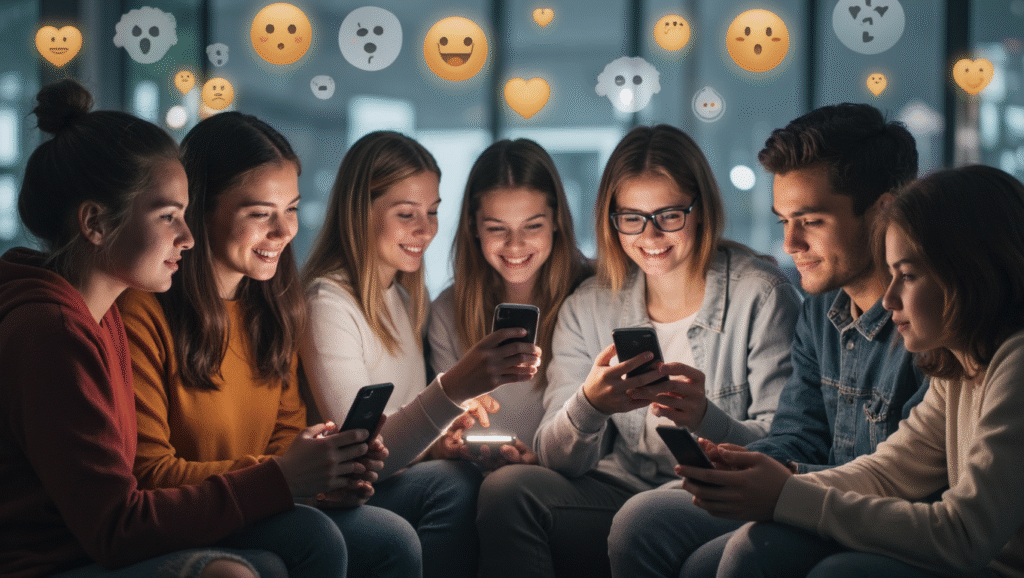
i̇ns functions as a dynamic identity system that combines creativity, self-expression, and community building. Each post, story, or comment adds another layer to one’s digital character.
The Curated Self
Every social media user curates their i̇ns choosing what to reveal, highlight, or conceal. This selective presentation forms a narrative that others recognize and engage with.
Authenticity and Aesthetics
While the digital world promotes creativity, authenticity has become the defining feature of a strong i̇ns. Modern audiences, especially Gen Z, value honesty over perfection. The best online personas blend polish with real emotion, creating relatable connections.
The Algorithmic Mirror
Social media algorithms amplify the most engaging versions of i̇ns. What gets likes, comments, and shares becomes the visible identity showing how technology and psychology shape digital existence.
Could i̇ns Be an Acronym?
While some suggest that i̇ns is short for “Instagram,” others interpret it more symbolically. The acronym theory adds depth to its meaning:
Interactive Network Society – emphasizing human interaction in digital ecosystems.
Identity Navigation System – reflecting how users consciously guide their online identity.
Both interpretations underscore the same idea: i̇ns represents people navigating a complex web of technology, creativity, and emotion to find belonging in virtual spaces.
The Psychology Behind i̇ns
Digital Self-Expression
Psychologically, i̇ns allows people to project aspects of themselves that might remain hidden offline. It’s an emotional outlet and a self-definition process. Each image, caption, or meme expresses identity in miniature form.
Dopamine and Validation
Likes, comments, and shares act as digital affirmations. Every interaction triggers micro-doses of dopamine, reinforcing behaviors that align with one’s desired image. Over time, this feedback loop strengthens the attachment between person and persona.
i̇ns and Mental Health
While positive engagement boosts self-esteem, excessive dependence on online validation can blur boundaries. Users may feel anxiety, comparison fatigue, or identity confusion. Recognizing these patterns helps individuals use i̇ns consciously rather than compulsively.
The Role of i̇ns in Branding and Marketing
Personal Branding Revolution
The digital age turned every user into a potential brand. For influencers, entrepreneurs and creatives, i̇ns defines reputation and authority. It’s no longer about what you sell but how your identity connects with audiences.
Corporate Adaptation
Brands now create their own i̇ns personalities designed to humanize business. From fast-food chains using humor on Twitter to luxury houses embracing authenticity on Instagram, companies mirror the social tone of their followers to strengthen emotional bonds.
The Power of Micro-Communities
Niche audiences define modern marketing. i̇ns culture thrives within these micro-ecosystems book lovers, gamers, eco-activists, or minimalists — allowing brands to engage deeply with segmented groups instead of broad demographics.
Cultural Impact of i̇ns
i̇ns changed not only online communication but culture itself.
A New Digital Language
Memes, emojis, and aesthetic storytelling are part of the i̇ns vocabulary. Every subculture creates its own dialect from TikTok trends to niche Twitter humor. This new language builds community through shared context.
Redefining Art and Expression
Artists use i̇ns as both medium and message turning posts into digital exhibitions. Visual aesthetics have evolved through platform culture, blending photography, typography, and motion design.
Social Movements and Awareness
From climate change activism to mental health advocacy, i̇ns has amplified voices that were once unheard. Hashtags and viral content became tools for social impact and collective empathy.
Why i̇ns Appeals to Gen Z and Millennials
Authenticity and Storytelling
Younger generations reject perfectionism. They value real over refined, preferring unfiltered moments that feel genuine. i̇ns offers them space to build narratives around humor, vulnerability, and shared experience.
Community and Belonging
Platforms give users micro-tribes groups that share values and humor. These communities become digital families where i̇ns thrives through constant interaction and emotional resonance.
The Rise of Visual Identity
Gen Z communicates through imagery, not text. Their i̇ns is visual storytelling aesthetics, filters, and tone that express who they are without words.
i̇ns as Digital Humanity
i̇ns represents digital humanity the blending of emotion and technology into an expressive ecosystem.
The Human Algorithm
Behind every profile is a person, and i̇ns reflects how humans adapt emotion to fit algorithmic spaces. The best content feels human, even when mediated by code.
Empathy in the Digital Age
Despite being online, i̇ns fosters real empathy. People share grief, joy, success, and creativity across continents, showing that technology can enhance — not replace — emotional connection.
The Future of i̇ns
Integration with Emerging Tech
Augmented reality (AR), AI avatars, and virtual influencers will reshape how i̇ns functions. Imagine interactive profiles that speak, move, and evolve based on user emotion or context.
Decentralized Identity
Blockchain and Web3 may soon allow people to control and monetize their i̇ns, owning their data and digital reputation securely.
Ethical Considerations
As digital identity expands, privacy, authenticity, and consent become central. The challenge for the future is preserving human integrity within virtual evolution.
How to Build Your Own i̇ns
Define Your Core Values – authenticity drives credibility.
Be Consistent – tone, colors, and voice create recognition.
Engage with Intent – build real conversations, not vanity metrics.
Stay Adaptable – evolve with trends without losing your essence.
Protect Your Energy – boundaries keep your online identity healthy.
Your i̇ns should reflect who you are and what you stand for — not just what others expect to see.
FAQ’s
Q1: What does i̇ns actually mean?
It refers to one’s curated digital identity and presence on social media, symbolizing how individuals express themselves online.
Q2: Is i̇ns connected to Instagram?
While inspired by Instagram culture, it now transcends platforms, representing the broader evolution of online identity.
Q3: How can brands use i̇ns effectively?
By adopting authentic storytelling and audience engagement that mirrors real human connection.
Q4: Does i̇ns have psychological effects?
Yes, both positive and negative. It fosters belonging and creativity but can also create pressure for validation.
Q5: What’s next for i̇ns?
Integration with AI, AR, and blockchain will transform how we build, own, and protect our digital selves.
Conclusion – The Essence of i̇ns
The journey of i̇ns defines a new era of online connection where identity is both personal and shared, emotional and digital. It’s a living mirror of human creativity and consciousness in the internet age.
As technology advances, the role of i̇ns will continue to expand bridging real and virtual worlds, empowering people to express, connect, and create with greater authenticity. In the end, i̇ns reminds us that even in pixels and profiles, our humanity still shines through.